
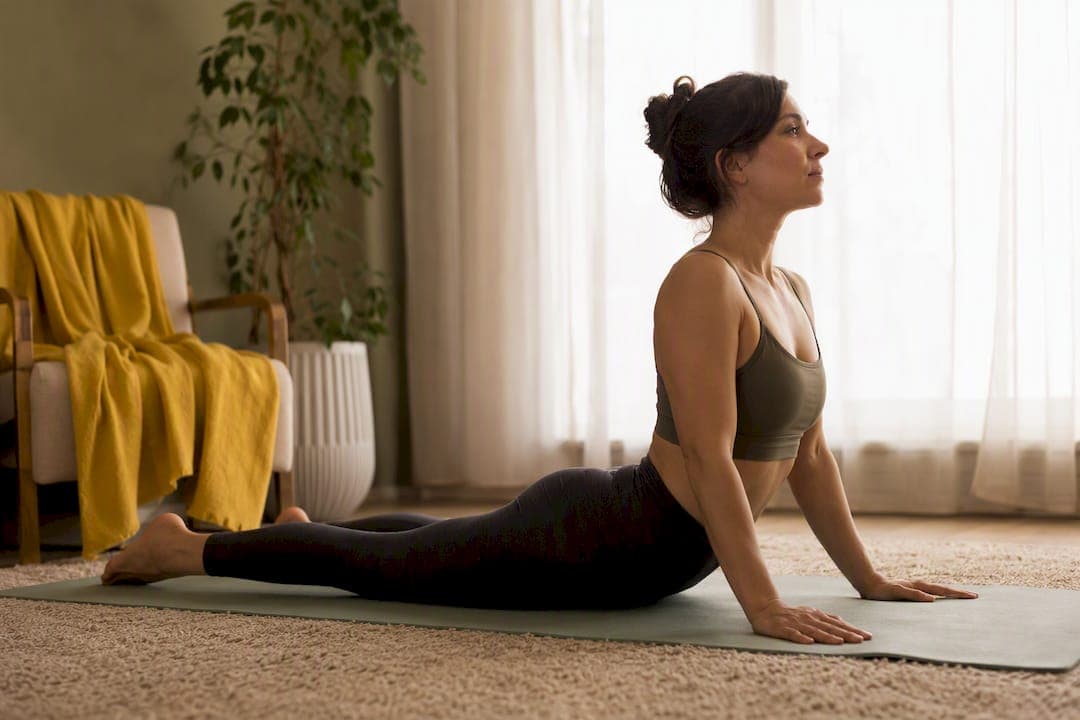
Body image is the sum of what you think, feel, and do in response to your own body. Negative body image is common among women of every age and carries real links to depression, anxiety, and eating disorders, but it is also changeable. The single most effective starting point is shifting your focus from how your body looks to what it does for you, paired with a practice of self-compassion rather than self-criticism.
TL;DR:
- Building appreciation for body function and practicing self-compassion can help reduce persistent dissatisfaction and promote healthier body image.
- External influences like media, social comparison, family, and life changes create layered pressures that shape body image across different life stages.
- Body image struggles can impact health behaviors, including delaying medical screenings and increasing anxiety, making it a legitimate factor in overall women’s health.
- Small, consistent practices such as thought reframing, wardrobe adjustments, and social boundary-setting yield more lasting change than quick fixes or intense dieting.
- Ongoing community support and professional help are crucial for managing setbacks and sustaining progress in improving body image over time.
Table of Contents
- What Is Body Image, Really?
- Why Body Image Matters for Women's Mental and Physical Health
- What Shapes Women's Body Image, from Media to Biology
- How Body Image Shifts Across a Woman's Life
- A Research-Backed Plan to Improve Your Body Image
- When Body Image Struggles Need Professional Support
- What the Research Says, and What It Means for You
- An Honest Look at Progress and Setbacks
- Continue the Work with Theultimatebeauty-you
- Where to Learn More or Get Help
- Sources
What Is Body Image, Really?
Clinicians define body image as the collection of thoughts, perceptions, feelings, and behaviors surrounding your physical appearance and how you experience your body from the inside out. It is not one fixed idea. It shifts by the day, sometimes by the hour, depending on your mood, who you are around, and even the lighting in a dressing room. Understanding that fluidity is the first step toward making peace with it.
Researchers and public health experts break the concept into a few working parts, and knowing the vocabulary helps you interpret everything from a therapist's questions to a magazine headline.
- Body dissatisfaction describes a persistent gap between how you see your body and how you wish it looked. It is the most studied and most common negative pattern.
- Negative body image is broader. It includes dissatisfaction plus distorted perception, appearance-based shame, and avoidance behaviors like skipping the beach or a doctor's visit.
- Body appreciation describes valuing your body for its function and treating it with respect, regardless of how closely it matches a cultural ideal.
- Body neutrality takes appreciation a step further by removing the requirement to feel positive at all. The goal is simply to stop your body's appearance from being the center of your self-worth.
Research on body dissatisfaction and body appreciation across the lifespan shows these constructs are not opposites on a single scale. A woman can hold moderate dissatisfaction about one feature while still practicing strong appreciation for her body overall. That nuance matters because it means progress does not require loving every inch of yourself. It requires building appreciation faster than you build criticism.
Researchers measure these constructs using validated scales that ask about appearance investment, body satisfaction by region, and how much time you spend checking or avoiding mirrors. You do not need a clinical questionnaire to notice the pattern in your own life. Pay attention to how often your internal monologue narrates your appearance versus your capability, and you will have a rough personal read on where you land.
Why Body Image Matters for Women's Mental and Physical Health
Body image is not a cosmetic concern. It is a documented factor in mental and physical health outcomes, and the numbers behind it are hard to ignore.
A global survey across multiple countries found startlingly low body confidence, including in the United States, according to the Dove Global Beauty and Confidence report. Only a small share of respondents in several countries described themselves as confident in their appearance, a finding that held across income levels and age groups.
That statistic is not an isolated data point. Negative body image is a recognized risk factor for eating disorders, and the relationship runs in both directions: disordered eating deepens body dissatisfaction, and body dissatisfaction fuels disordered eating. The consequences extend well past mental health symptoms into daily functioning and even physical care.
- Chronic body dissatisfaction is associated with elevated rates of depression and anxiety, not just fleeting insecurity.
- Women with high body-image distress are more likely to avoid healthcare, including delaying mammograms, pelvic exams, and other preventive screenings out of shame or fear of judgment.
- Weight stigma from providers themselves compounds the problem, creating a cycle where women who most need care are least likely to seek it.
- Body image distress is increasingly recognized in clinical literature as a legitimate determinant of women's health, on par with other modifiable risk factors doctors are trained to screen for.
This last point deserves emphasis. Body image used to be treated as a soft, secondary concern behind "real" medical issues. That framing is outdated. A woman who skips her annual exam because she dreads being weighed or judged is experiencing a direct health consequence of body image, not a personality quirk. Providers are increasingly asked to treat it that way, and you should feel entitled to bring it up in a medical appointment the same way you would bring up a persistent headache.
What Shapes Women's Body Image, from Media to Biology
Body image does not form in a vacuum. It is built through repeated exposure, some of it obvious and some of it subtle enough that you may not have connected the dots until now.
- Media and social media remain the most cited external influence, and for good reason. Constant exposure to edited, filtered, and algorithmically selected images trains the brain to treat an artificial standard as a realistic baseline, making ordinary bodies, including your own, look like the exception rather than the norm.
- Upward social comparison on platforms built around image feeds intensifies this effect, since the comparison is no longer limited to magazine covers but happens dozens of times a day against curated content from peers and strangers alike.
- Family modeling shapes body image early. Growing up around a parent who diets constantly, criticizes their own body out loud, or comments on other people's weight teaches children that self-worth is conditional on appearance before they can even articulate the idea.
- Peer teasing and comments about weight, especially during adolescence, are strongly linked to earlier and more severe body dissatisfaction, according to findings compiled by NEDA.
- Biological and life-event triggers create predictable pressure points: puberty, pregnancy, illness, injury, and aging all force the body to change in ways a woman did not choose and often cannot control.
- Race, disability, and socioeconomic status change the type and intensity of appearance-based stigma a woman encounters. Body image is socially patterned, and intersecting identities can compound harm rather than simply adding to it, which is why one-size-fits-all messaging about "loving your body" often falls flat for women navigating multiple forms of bias at once.
None of these influences act alone. A woman raised by a parent who dieted constantly, then immersed in image-heavy social platforms as a teenager, is dealing with a stacked set of pressures, not one clean cause she can isolate and fix. Recognizing the layers is often more useful than trying to find a single culprit.
How Body Image Shifts Across a Woman's Life
Body image is not a fixed trait you either have or don't. It evolves in response to what your body is doing and what the world around you is saying about it, and the pattern tends to follow recognizable stages.
- Adolescence. This is when body dissatisfaction typically takes root, driven by puberty's visible changes landing at the exact moment peer approval feels highest stakes. Parents and teachers can watch for warning signs like sudden secrecy around meals, excessive mirror checking or avoidance, and a shift toward baggy clothing meant to hide the body rather than express personal style.
- Young adulthood. Social comparison does not disappear after high school. It moves into new arenas: career environments with appearance expectations, dating apps that reduce a person to a photo grid, and social feeds full of peers appearing to have it more together. This stage often brings the added pressure of comparing your body's changes to friends who seem unaffected by the same stressors.
- Pregnancy and postpartum. Few life stages demand as much body change in as little time. Pregnancy asks a woman to relinquish control over her shape for nine months, and postpartum recovery asks her to do it again in reverse, often while sleep-deprived and managing a completely new identity as a mother. Reframing the postpartum body around what it just accomplished, rather than how quickly it "bounces back," is one of the more evidence-supported shifts women describe as genuinely helpful.
- Midlife and menopause. Hormonal changes bring shifts in weight distribution, skin, and energy that can feel like losing familiar ground. Women who move through this stage with more ease tend to reframe attractiveness away from youth-based markers and toward vitality, capability, and presence. Ways to embrace natural beauty at every age offers a useful frame for this transition, treating aging as an evolution rather than a decline.
- Later life. For many women, later adulthood brings a paradoxical improvement in body image, partly because appearance-based social pressure eases and partly because decades of experience have taught them what their body has survived and accomplished. Functional framing, valuing a body for what it still lets you do, tends to replace appearance-based judgment almost entirely by this stage.
Across every one of these transitions, qualitative research on women's lived experience of body image points to something encouraging: positive body image is rarely a straight line of steady improvement. It tends to arrive through catalyzing events, a health scare, a supportive friendship, becoming a mother, that force a woman to reconsider what her body is actually for. You do not have to wait passively for one of those moments. You can create smaller versions of that same shift on purpose, starting now.
A Research-Backed Plan to Improve Your Body Image
Improving body image is less about a single breakthrough and more about stacking small, consistent practices until the negative voice gets quieter than the compassionate one. The categories below are drawn from what actually shows measurable benefit in research, not just what sounds encouraging.
Cognitive practices
Self-compassion exercises and media-literacy training both show consistent small-to-moderate benefits for body image across multiple studies. Start with a thought record: when you catch a harsh comment about your body, write down the thought, then write the same observation as you would say it to a friend. The gap between those two versions is usually where the distortion lives.
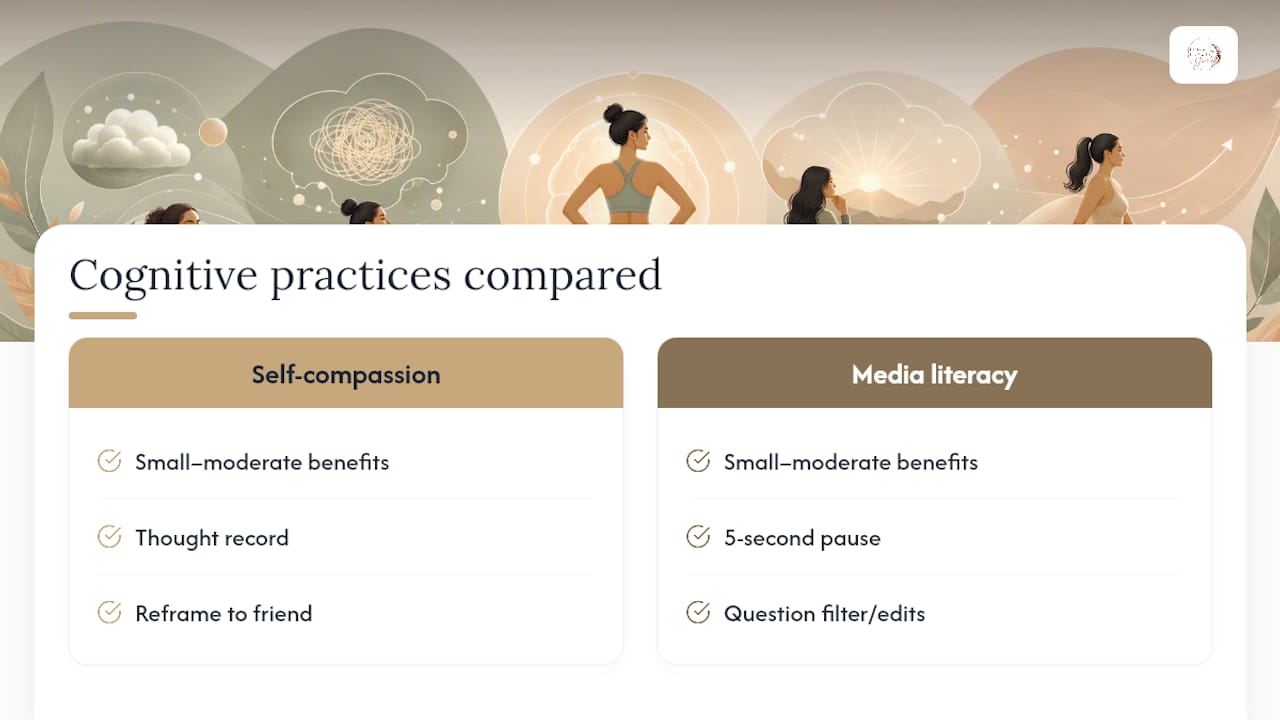
Media literacy works the same way. Before scrolling, ask yourself what filter, lighting, or editing tool might be shaping the image in front of you. That five-second pause interrupts the automatic comparison your brain wants to make.
Behavioral practices
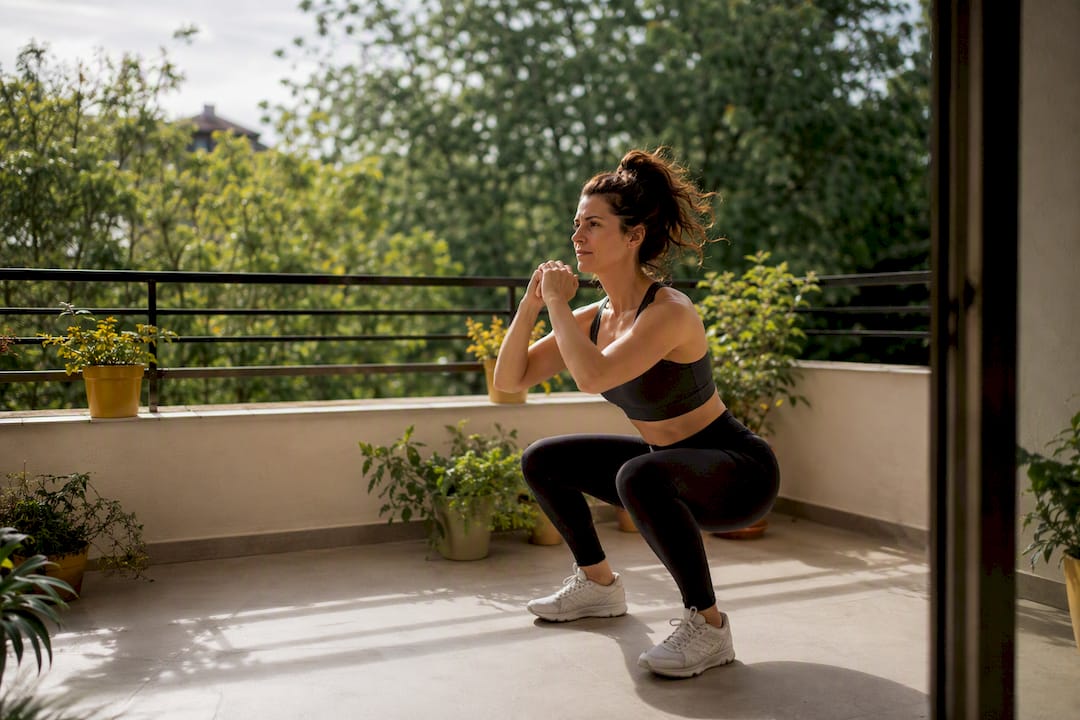
Movement is one of the most misused tools in body image work, mostly because it gets framed around punishment or appearance change instead of function. Framing movement around strength, mobility, and calm rather than appearance increases both adherence and body appreciation. A sustainable fitness routine built around how your body feels during and after exercise, not how it looks in the mirror afterward, tends to stick far longer than a punishing regimen chasing a number on a scale.
Wardrobe adjustments matter more than people expect. Wearing clothes that fit your current body, rather than clothes you are "waiting to fit into again," removes a daily source of friction and disappointment. Mirror-use routines help too: limit checking to purposeful moments (getting dressed, applying skincare) rather than passive scrolling past every reflective surface in a room.
Social practices
Boundary-setting protects your progress. That means naming diet talk as off-limits in certain conversations, and curating your social feeds the same way you would curate any other input to your mental health. Unfollow accounts that trigger comparison, and follow ones that model body diversity and function over appearance.
Lifestyle micropractices
Small, consistent lifestyle habits often outperform intense dieting or punishment-based exercise when it comes to actual body-image improvement, according to recent research on lifestyle micropractices. Sleep hygiene, stress reduction, and movement chosen for pleasure rather than obligation build a foundation that appearance-focused efforts tend to undermine.
Your 7-day starter plan
| Day | Focus | Small action |
|---|---|---|
| 1 | Awareness | Notice one appearance-based thought and rewrite it as you'd say it to a friend. |
| 2 | Media | Unfollow or mute two accounts that trigger comparison. |
| 3 | Movement | Try movement chosen purely for how it feels, not how it looks. |
| 4 | Wardrobe | Remove one item that fits your "waiting to fit into" body, not your current one. |
| 5 | Sleep | Set a wind-down routine before your usual bedtime. |
| — | Social | Set one boundary around diet talk in a conversation this week. |
| 7 | Reflection | Write down one thing your body did for you this week, unrelated to appearance. |
Pro Tip: Personalize the plan by swapping any day's action for one that targets your specific trigger. If mornings in front of the closet are your hardest moment, put the wardrobe step on day one instead of day four. The order matters less than making the practice fit your real week.
Small habits like these compound. Healthy beauty habits built for daily life work the same way: none of them are dramatic on their own, but stacked over weeks, they shift the baseline of how you talk to yourself.
When Body Image Struggles Need Professional Support
Most body image work happens in daily life, but some patterns need a trained clinician, not a self-help plan.
- Thoughts of self-harm or statements suggesting your body or your life feels unbearable warrant immediate professional support, not a wait-and-see approach.
- Severe restriction, bingeing, purging, or compulsive exercise that disrupts your daily schedule are signs of a possible eating disorder that needs specialized care.
- A noticeable loss of functioning, missing work, withdrawing from relationships, or being unable to focus because of body-related distress, signals it is time to bring in outside help.
Different providers treat different pieces of this picture. Mental health clinicians, especially those trained in cognitive behavioral therapy, address the thought patterns and behaviors driving distress. Registered dietitians with eating-disorder training help rebuild a healthy relationship with food without reinforcing restriction. Medical providers monitor physical consequences and can screen for the health complications that sometimes accompany long-term body image struggles.
Before a first appointment, write down specific examples of what you're experiencing (frequency of thoughts, behaviors you've noticed, situations that trigger distress). Ask a potential provider about their experience treating body image concerns specifically, not just general anxiety or depression, since the approach differs.
If you need immediate support, the National Eating Disorders Association offers a helpline and screening tools, and womenshealth.gov provides government-backed guidance on body image and mental health. Clinicians increasingly ask about avoidance behaviors, missed appointments, skipped screenings, withdrawal from activities, precisely because shame often keeps women from naming the distress directly.
What the Research Says, and What It Means for You
The clearest research finding on body image is also the most actionable one: this is not a fixed trait, and specific interventions produce measurable change.
- Body image distress is now treated in clinical literature as a legitimate determinant of women's health, not a cosmetic side issue, which has pushed more providers to screen for it directly.
- Self-compassion training and media-literacy programs show consistent, replicated benefits across different study populations and age groups.
- Community-based programs that emphasize body diversity and function-focused messaging outperform programs built around appearance change, even when appearance change is the stated goal.
- A survey across multiple countries found low body confidence in many respondents, a pattern the Dove Global Beauty and Confidence report attributes partly to unrealistic beauty standards reinforced across cultures.
The practical takeaway for readers is straightforward, even if the research behind it is not: small, sustained practices beat intense, short-lived interventions. A woman who does five minutes of self-compassion work daily for a month will likely see more durable change than one who tries an aggressive appearance-overhaul plan for a week and abandons it. The caveat worth stating plainly: research in this space still leans heavily on self-report data, so individual results vary more than a tidy statistic can capture.
An Honest Look at Progress and Setbacks
Body image work does not move in a straight line, and expecting it to sets you up to feel like you're failing when you're actually just human. Some weeks the self-compassion practices click. Other weeks an offhand comment from a relative or a bad photo undoes days of progress in an instant. That ebb and flow is normal, not evidence that the work isn't working.
What tends to separate women who build lasting change from those who don't is not willpower. It's community. Having people around you who reinforce function over appearance, who notice when you're spiraling and gently redirect you, matters more than any single cognitive exercise. That is precisely the gap Theultimatebeauty-you was built to fill: a space where the daily reinforcement doesn't stop after you close an article.
Progress here looks less like a finish line and more like a habit you return to, again and again, even after you fall off it.
— Ava
Continue the Work with Theultimatebeauty-you
Reading about self-compassion and function-focused movement is one thing. Practicing it daily, with real support instead of willpower alone, is another. Theultimatebeauty-you exists for that second part: a community platform where expert-led content, guided programs, and a network of women working through the same stages meet you where a single article leaves off.

The platform brings together expert sessions on confidence and self-care, a community built specifically around women's beauty and wellness at every life stage, and practical programs that turn ideas like the 7-day starter plan into an ongoing practice rather than a one-time read. It complements everything covered here: instead of trying to remember a checklist on your own, you get structured, repeatable guidance and people to check in with when the ebb-and-flow gets hard. You can also explore confidence-building habits that hold up over time as a natural next step.
Visit Theultimatebeauty-you to see current programs, or browse the full program listing to find a starting point that fits where you are right now.
Where to Learn More or Get Help
For immediate guidance on body image and mental health, womenshealth.gov offers government-backed facts and coping strategies. The National Eating Disorders Association provides a helpline, screening tools, and treatment directories if you suspect an eating disorder. For deeper reading on how body image shifts across adulthood, the lifespan analysis published in PMC offers a research-grounded overview, and the IntechOpen chapter on body image and women's health covers clinical implications in more depth for readers who want the medical framing behind the practical advice above.
This article is general information, not a substitute for advice from a qualified doctor. Consult a qualified healthcare professional about your own circumstances before acting on anything here.
Sources
- Womenshealth
- Body Dissatisfaction, Importance of Appearance, and Body Appreciation in Men and Women Over the Lifespan
- Body image and eating disorders | NEDA
- Women’s Body Image – Medical Implications Across the Lifespan | IntechOpen
- I have worth: female body confidence and perceptions of beauty around the world