
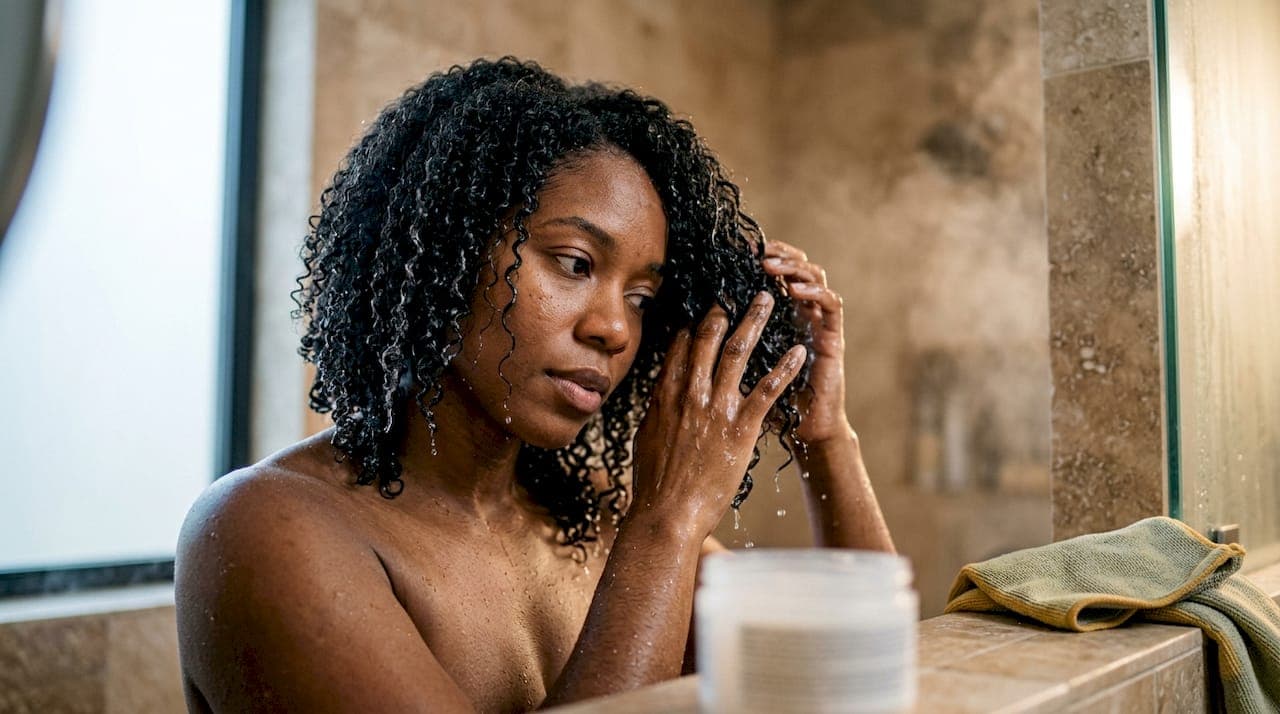
Four steps make or break your curls: cleanse gently, condition for slip, style on soaking-wet hair with a leave-in, cream, and gel, then dry and protect without touching. Using techniques like praying hands and scrunching, most people see visibly better clumping and less frizz within four to six wash cycles. Theultimatebeauty-you built this framework because beginners don't need more products. They need the right order.
TL;DR:
- Applying styling products on soaking-wet hair significantly improves curl clumping and definition, reducing frizz and enhancing results.
- Clarifying every one to two weeks prevents product buildup that can weigh down curls and hinder moisture absorption.
- Drying methods like plopping or low-heat diffusing help maintain curl shape and minimize frizz if done correctly, with patience key.
- Maintaining a simple routine of three to four core products used in the correct order on wet hair yields consistent, visible improvements.
- Mastering proper application timing and avoiding over-manipulation are more impactful than product choice in achieving healthy, defined curls.
Table of Contents
- What Is the Simplest Curly Hair Routine for Beginners?
- How Do You Do Wash Day Step by Step?
- How Do You Dry Curls Without Losing Definition?
- How Do You Maintain Curls Between Wash Days?
- How Often Should You Wash Curly Hair?
- What Products and Tools Actually Matter?
- Why Ava Trusts This Approach for Beginners
- What This Routine Actually Proves
- Sources
What Is the Simplest Curly Hair Routine for Beginners?
You don't need fifteen products to see a difference. You need three or four, used in the right order, at the right moment.
Here's the beginner routine, stripped down to what actually moves the needle:
- Cleanse with a gentle, sulfate-free shampoo or co-wash. This removes dirt and old product without stripping the natural oils your curls depend on for shape.
- Condition with a slip-heavy formula. Work it through with your fingers until your hair feels smooth, almost slippery. That slip is what lets you detangle without breaking curl clumps apart.
- Style on soaking-wet hair. Apply a leave-in first for moisture, then a cream for softness, then gel for hold. Doing this on hair that's dripping, not just damp, is the single biggest lever for definition.
- Dry and protect the result. Whether you air-dry or diffuse, the goal is the same: don't touch, don't rub, don't disturb the curls while they set.
That's the whole routine. Everything else, deep conditioning, protein treatments, refresh sprays, gets layered in once this foundation is solid.
Pro Tip: If you only change one habit this week, change when you apply product. Soaking-wet hair, not towel-dried hair, is where curl clumping actually happens.
How Do You Do Wash Day Step by Step?
Wash day is where most curly hair routines succeed or fail, and the order of operations matters more than any single product you buy.
Clarify or cleanse: knowing the difference
A gentle, sulfate-free shampoo is your default. It cleanses your scalp without dissolving the natural oils that give curls their pattern. Clarifying shampoo is a different tool entirely. It's a deeper clean designed to strip mineral buildup from hard water and residue from silicones and heavy stylers.
Most curl types benefit from clarifying every one to two weeks, a cadence backed by expert guidance in GQ, which notes that removing hard-water minerals and buildup lets your conditioners and treatments actually absorb instead of sitting on top of a residue layer. Skip clarifying too long and you'll notice your curls feeling coated, heavy, or resistant to product no matter how much you apply. Clarify too often, on the other hand, and you'll overstrip your scalp, leaving hair dry and frizz-prone. If your curls feel waxy or your gel isn't activating like it used to, that's your signal to clarify, not your signal to add more product.
Conditioning for slip, not just softness
Conditioner's real job on wash day isn't softness. It's slip, the slick, glide-y feeling that lets your fingers or a comb move through hair without snapping curl clumps apart. Work conditioner through mid-lengths and ends first, since that's where damage and dryness concentrate.
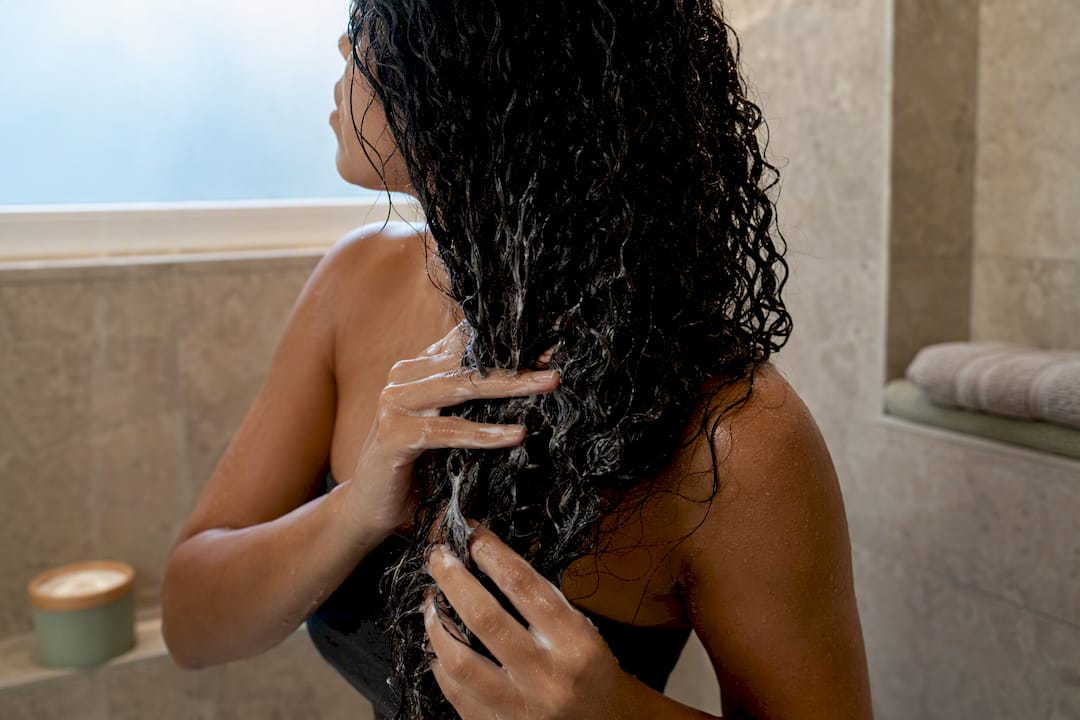
Deep conditioning once a week (or every other week if your hair leans dry or coily) adds moisture back in a way a quick rinse-out can't. Pay attention to whether your curls need moisture or protein. Hair that feels gummy and stretches without snapping back usually needs protein. Hair that feels dry, rough, or straw-like usually needs moisture. Guessing wrong here is one of the most common reasons a curly hair care routine stalls out.
Detangling without destroying your clumps
Detangle in the shower, under conditioner, while hair is fully wet. Dry detangling breaks curls apart and creates frizz you'll fight for the rest of the day.
- Section your hair into two to four parts before you start.
- Start at the ends and work upward toward the roots, never the reverse.
- Use a wide-tooth comb or your fingers. A fine-tooth comb will shred curl clumps you're trying to preserve.
- Rinse conditioner out partially, leaving a light layer behind for slip during styling.
Layering product in the right order
This is the step that separates a routine that works from one that doesn't. Apply everything on hair that's soaking wet, meaning water is actively dripping, not just damp. According to research on curly hair routines, styling products applied to soaking-wet hair encourage clumping and definition, while the same products applied to merely damp hair increase frizz and uneven distribution. That single distinction explains why two people using identical products can get completely different results.
The order that works for most curl types:
- Leave-in conditioner first, for a moisture base.
- Cream next, for softness and a bit of weight.
- Gel last, for hold and a protective cast.
Distribute each product using the "praying hands" method: smooth palms together with product, then run them down sections of hair from root to end. Follow with light raking using your fingers to break product into smaller sections, then scrunch upward toward the scalp to encourage clumping. Curl specialists consistently point to this sequence, moisture first, structure second, as more important than which specific brand you use.
Mistakes that undo everything
- Rubbing hair with a regular towel, which roughs up the cuticle and creates frizz almost instantly.
- Applying product after hair has already started drying, missing the soaking-wet window entirely.
- Skipping conditioner slip and detangling with dry, rough hair.
- Over-clarifying weekly when your water and product use don't call for it.
How Do You Dry Curls Without Losing Definition?
Drying is where a lot of good wash-day work gets undone, usually through impatience.
Plopping is the gentlest option. Flip your hair into a microfiber towel or an old t-shirt, twist it up on top of your head, and leave it for ten to twenty minutes. This absorbs excess water without the friction of rubbing, and it encourages curls to clump upward while they're still setting.
Diffusing speeds things up while preserving shape, if you do it right. Use low heat and low airflow, cup sections of hair in the diffuser bowl, and hold at the roots for lift instead of constantly moving the dryer around. That low-and-slow approach reduces frizz and boosts root volume compared with standard blow-drying, according to Curly Life's routine guidance. Air-drying is the lowest-effort option and works well when you're not in a rush, though it takes longer and leaves more room for frizz if humidity is high.
Whichever method you choose, keep your hands off your hair while it dries. Touching, scrunching, or repositioning curls mid-dry breaks the forming clumps and invites frizz. A cool shot at the end of diffusing helps set the shape before you release it.
Once hair is completely dry, not damp, not "mostly dry," you'll likely feel a gel cast: a slightly stiff, crunchy layer left by the gel. That's normal, and it's temporary. Scrunch it out gently with dry hands, then smooth a small amount of oil over your palms and scrunch again. GQ's expert breakdown confirms this is the standard method for breaking the cast and revealing soft, bouncy curls underneath.
Pro Tip: Scrunching out the cast too early, while hair is still even slightly damp, collapses your curls instead of softening them. Wait until hair is bone dry.
How Do You Maintain Curls Between Wash Days?
A strong wash day should carry you several days before you need to touch your hair again. Vogue India's coverage of expert curl routines makes the case that over-refreshing often undoes wash-day results, so lean on a solid wash day rather than daily fixes.
When you do need a refresh, usually around day two or three, keep it minimal:
- Mix water with a small amount of leave-in conditioner in a spray bottle.
- Mist lightly over dry or slightly damp curls, focusing on areas that look flat or frizzy.
- Scrunch upward with a bit of gel if you need extra hold, but skip heavy creams that will weigh curls down.
- Avoid adding product to the roots unless they've gone completely flat.
Controlled Chaos's beginner guide recommends this light-mist approach specifically because it revives curl shape without disrupting the clumps your wash day already built.
Night protection matters just as much as daytime styling. Pineapple your hair (a loose, high ponytail on top of your head) if it's long enough to gather without flattening the crown. Shorter curls do better under a satin or silk bonnet, which prevents the friction that a cotton pillowcase causes. A satin or silk pillowcase works for any length and requires zero effort beyond buying one.

If you wake up with one flat side or a lopsided section, a quick spray of water and a scrunch usually restores shape in under a minute. That's often all the "fix" a curly hair regimen needs between full wash days.
How Often Should You Wash Curly Hair?
Frequency depends more on your specific curl pattern and scalp condition than any fixed rule. General starting points, according to The Mestiza Muse, break down like this:
- Wavy (type 2) hair typically does well washed every two to four days.
- Curly (type 3) hair usually stretches to every four to seven days.
- Coily (type 4) hair often goes seven to fourteen days between washes.
These are starting points, not rules. If your scalp feels itchy, oily, or irritated before your "scheduled" wash day, wash sooner. Frequent exercisers often do better co-washing between full shampoo washes to manage sweat without over-cleansing. Clarify every one to two weeks regardless of your base washing frequency, since mineral and product buildup accumulates on a separate timeline from oil and sweat.
Fast fixes for the most common complaints:
- Limp curls: you're likely using too much conditioner or not enough gel. Cut back on cream, add hold at the roots.
- Frizz: check your soaking-wet application timing first. Dry hands or dry-ish hair during styling is the usual culprit.
- Product buildup: clarify on your next wash day and reduce how much leave-in or cream you're layering on.
Curl pattern alone doesn't determine your ideal frequency. Hair porosity, how easily your strands absorb and hold moisture, changes how quickly product builds up and how often you'll need a deep condition versus a protein treatment. High porosity hair (often from color treatment or damage) absorbs product fast but loses moisture just as quickly, while low porosity hair resists product penetration and needs lighter layering to avoid buildup. Knowing which you have changes both product choice and routine timing more than curl type alone.
What Products and Tools Actually Matter?
Skip the brand names. Focus on what each category does and choose based on your hair's texture and porosity.
| Category | What to look for | Skip if |
|---|---|---|
| Cleanser | Sulfate-free surfactant or co-wash | You won't clarify every 1–2 weeks |
| Conditioner | Slip-focused, glycerin for hydration | Fine hair and it's too heavy |
| Leave-in/cream | Lightweight for fine hair, richer for dense hair | It leaves hair feeling coated |
| Gel | Strong hold without stiffness for coarse curls | It flakes or feels sticky when dry |
| Microfiber towel/t-shirt | Reduces friction while absorbing water | Never optional |
| Wide-tooth comb | Detangling on wet, conditioner-coated hair | Fine-tooth combs break clumps |
| Diffuser | Speeds drying while preserving shape | Skip for very fine, easily frizzed hair |
| Satin/silk pillowcase | Prevents overnight friction | Cotton pillowcases undo wash-day work |
A minimal starter kit, one cleanser, one conditioner, one leave-in or cream, one gel, plus a microfiber towel, covers nearly every beginner scenario without overwhelming your bathroom shelf.
Why Ava Trusts This Approach for Beginners
I've watched too many people buy ten products before they've mastered one technique. The soaking-wet application method matters more than anything sitting on your shelf, and that's exactly why Theultimatebeauty-you built this guide around technique first.
Two things I tell every beginner: start with a five-piece kit (cleanser, conditioner, leave-in, gel, microfiber towel) before adding anything else, and judge progress at the four-to-six-week mark, not after one wash. Curls respond to consistency, not perfection on day one.
Ava's full credentials and reader testimonials are available on request through Theultimatebeauty-you.
What This Routine Actually Proves
The conventional wisdom on curly hair care sells complexity: ten-step routines, seasonal product rotations, treatments layered on treatments. The evidence points somewhere simpler. What actually moves the needle is technique, applying product on soaking-wet hair, layering leave-in to cream to gel in that order, and leaving curls alone while they dry.
Where most advice falls short is treating product choice as the primary lever. It isn't. Two people can use the exact same gel and get opposite results based entirely on when and how they applied it. That's the gap between what routines promise and what actually works.
If you're starting out, prioritize mastering the wet application and the hands-off drying before you spend another dollar on product. Consistency over four to six weeks will teach you more about your curls than any product review ever will. Pair that consistency with steady habit-building strategies, and the routine sticks.
— Ava
Sources
- How to Build a Curly Hair Routine That Works – Curly Life
- How to Master a Curly Hair Routine, According to an Expert | GQ
- The Complete Curly Hair Routine for Beginners | Controlled Chaos