
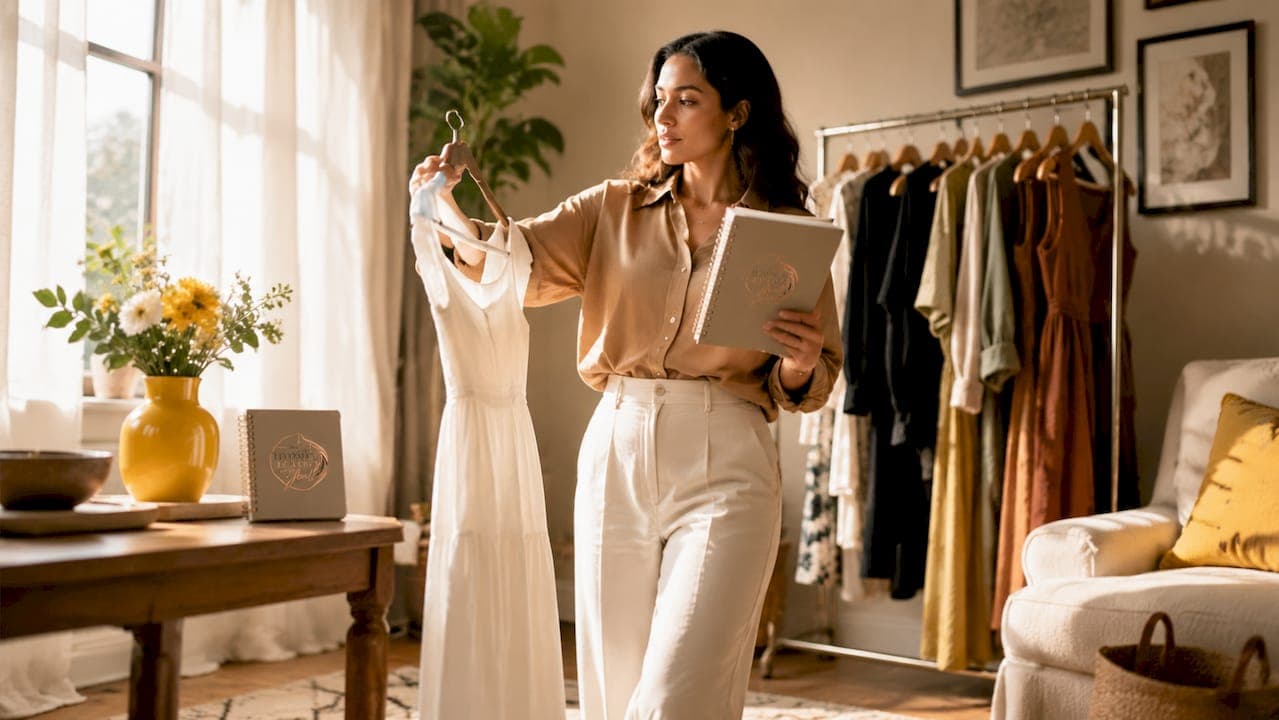
A personal style guide for women is a practical framework that defines how you want to look, feel, and communicate through clothing every single day. Style is not about following trends or owning expensive pieces. It is about knowing yourself well enough to dress with intention, consistency, and confidence. The industry term for this process is "personal styling," and it covers everything from wardrobe audits and mood boards to tailoring and color strategy. At Theultimatebeauty-you, we believe style is a verb. It is something you practice, refine, and grow into. This guide gives you the exact tools to do that.
What is a personal style guide, and why does it matter?
A personal style guide is a written or visual reference that captures your aesthetic preferences, go-to colors, silhouettes, and the feeling you want your clothes to project. Think of it as a filter. Every purchase, every outfit decision, passes through it. Without one, shopping becomes reactive and closets fill with pieces that never quite work together.
Emotional intention is the foundation of personal style. Style educators recommend answering feelings-based questions before you ever open your closet. Do you want to feel approachable or authoritative? Relaxed or polished? Playful or refined? Your answers shape every choice that follows.
Style also differs from fashion. Fashion is what the industry offers each season. Style is what you choose to keep. Women who confuse the two spend money chasing looks that never feel like theirs. A personal style guide separates the two clearly and keeps you grounded in what actually works for your life.
How do you discover your emotional style intention?
Emotional style intention is the specific feeling you want your clothing to create in you and communicate to others. It is the "why" behind every outfit. Without it, you are just getting dressed. With it, you are making a statement.
Start with this three-step exercise:
- Write three adjectives that describe how you want to feel when you walk into a room. Examples: confident, creative, calm. These become your style compass.
- Pull out your favorites. Go through your closet and remove every piece you genuinely love wearing. Lay them out and look for patterns in color, fabric, and silhouette. Analyzing frequently worn items reveals your true style pattern far more accurately than any quiz.
- Collect style images. Save photos from Instagram, Pinterest, or magazines that stop you mid-scroll. After 20 to 30 images, a clear aesthetic pattern almost always emerges.
Reach-for items as data points help you identify a realistic, sustainable personal style rather than an aspirational or trend-influenced one. This distinction matters. Aspirational style lives in your head. Authentic style lives in your actual wardrobe.
Clarifying emotional style intention also lets you avoid trend-chasing. When you know your three adjectives, you can walk past a display of neon cargo pants without a second thought. They simply do not match your filter.
Pro Tip: Create a private Pinterest board titled with your three style adjectives. Every time you save an image, ask whether it matches all three. If it matches only one, skip it.
What are the wardrobe essentials every woman needs?
A capsule wardrobe is a small, curated collection of versatile pieces that work together across multiple outfits. Vogue's 2026 wardrobe guide recommends an 80/20 balance: 80% timeless staples that form the foundation, and 20% trend pieces that add freshness. This ratio prevents the closet from feeling stale while keeping it functional.
Capsule wardrobes also prevent decision fatigue. When every piece in your closet works with at least three others, getting dressed becomes fast and confident rather than stressful.
The core staples every capsule wardrobe needs:
- Great-fitting jeans in a dark or mid-wash rinse that works for both casual and dressed-up occasions
- White and neutral shirts in cotton or silk that layer under blazers or stand alone
- Tailored trousers in black, navy, or camel for a polished base
- Quality shoes in two or three neutral tones: a flat, a heel, and a clean sneaker
- Layering pieces such as a fitted blazer, a lightweight cardigan, and a trench coat
Lightweight layers and versatile pieces also adapt to unpredictable weather and travel, making them practical investments beyond your home city.
| Category | Staple piece | Trend alternative |
|---|---|---|
| Bottoms | Dark-wash straight-leg jeans | Wide-leg printed trousers |
| Tops | White cotton button-down | Sheer layered blouse |
| Outerwear | Classic trench coat | Oversized bomber jacket |
| Shoes | Nude block-heel pump | Metallic loafer |
| Accessories | Leather belt in tan or black | Statement chain necklace |
The 20% trend column is where personality shows up. Swap in one or two trend pieces per season without rebuilding your entire wardrobe. That is how style stays fresh without becoming expensive.
Why is fit the single most important factor in personal style?
Fit is the one variable that makes or breaks every outfit, regardless of brand, price, or trend. A $40 blazer that fits perfectly reads as more polished than a $400 one that pulls across the shoulders. Properly fitted clothes transform appearance and confidence, and tailoring is the tool that makes fit possible for every body.
Most women avoid tailors because they associate alterations with formal wear or high budgets. Both assumptions are wrong. A local tailor can adjust a pair of jeans for under $20. That single change can make a pair of pants you never reach for into your most-worn item.
The alterations that create the biggest visible impact:
- Hem length on trousers and skirts. Even a one-inch adjustment changes the entire proportion of an outfit.
- Waist suppression on blazers and dresses. Taking in the waist creates shape without changing the overall silhouette.
- Sleeve length on jackets and shirts. Sleeves that end at the right point on your wrist make every top look intentional.
Inside Out Style frames tailoring as a sophisticated styling tool, not a last resort. The goal is understanding your proportions and working with them, not hiding anything. Your body is not the problem. Ill-fitting clothes are.
Building a relationship with a local tailor also lets you shop secondhand and vintage with confidence. You can buy a beautiful piece in a slightly wrong size and know exactly how to fix it. That skill expands your wardrobe options significantly.
Pro Tip: Bring one "problem" piece to a tailor before buying anything new. The transformation will show you what fit actually looks like on your body, and it will change how you shop forever.
How do you build style habits that make dressing easier?
Style confidence grows fastest through consistent daily habits, not occasional shopping trips. Justine Leconte's style research shows that habits affecting morning outfit choices speed visible style evolution within months. The goal is to make good style automatic.
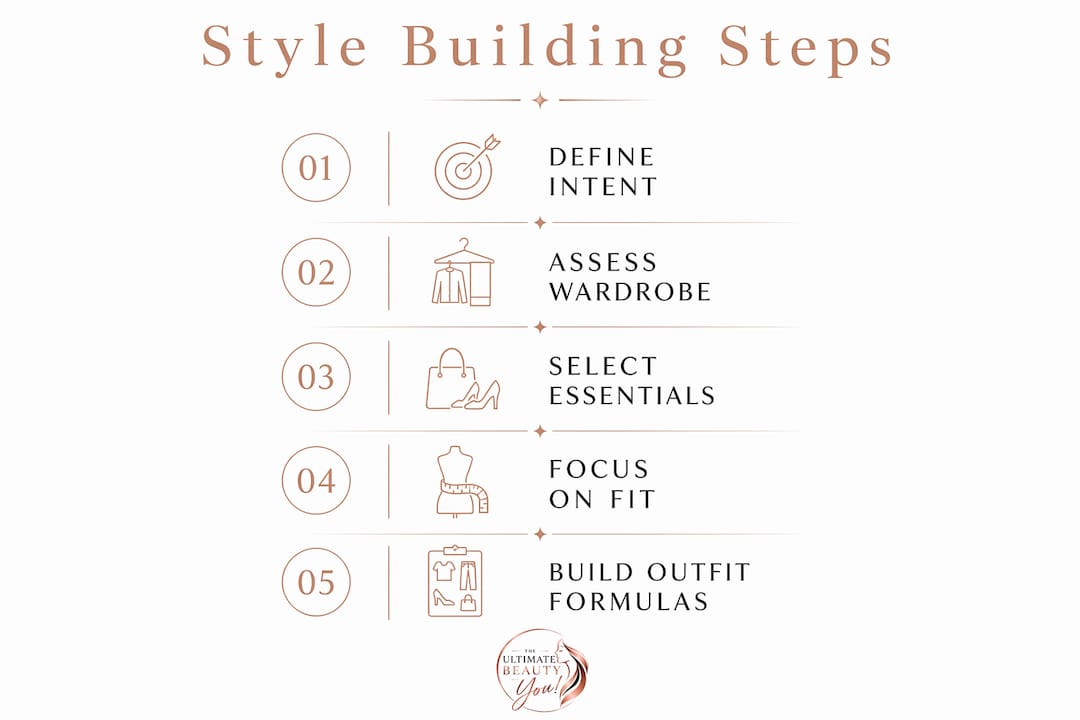
These four habits create the most visible results:
- Apply the 80/20 color rule. Keep 80% of your wardrobe in your working colors, the shades that appear in your capsule staples. Reserve 20% for color experimentation. This color proportion lowers decision fatigue and maintains visual freshness at the same time.
- Choose one interesting element per outfit. One bold color, one textured fabric, one statement accessory. One is intentional. Three is chaotic. This rule keeps outfits readable and confident.
- Build outfit formulas. A formula is a repeatable structure: fitted top plus wide-leg trouser plus loafer, or midi dress plus denim jacket plus white sneaker. Formulas remove the daily guesswork and still leave room for variation through color and accessory swaps.
- Prioritize physical comfort. If you spend the day tugging, adjusting, or thinking about what you are wearing, the outfit is not working. Comfort is not the opposite of style. Discomfort is the enemy of confidence.
Developing simple, repeatable outfit formulas saves time and builds confidence in style choices. As your preferences evolve, your formulas evolve with them. Swap a blazer for a leather jacket. Replace ballet flats with ankle boots. The structure stays; the expression changes.
Style also needs room to grow. Revisit your three adjectives every six months. Life changes, and your style should reflect who you are becoming, not just who you were.
Key takeaways
A personal style guide works because it anchors every wardrobe decision in emotional intention, fit, and consistent habits rather than trends or impulse.
| Point | Details |
|---|---|
| Start with emotional intention | Define three adjectives for how you want to feel before making any wardrobe changes. |
| Build a capsule wardrobe | Use an 80/20 split between timeless staples and trend pieces to stay versatile and fresh. |
| Prioritize fit above all else | Tailoring even one or two pieces transforms how your entire wardrobe looks and feels. |
| Apply the 80/20 color rule | Keep most of your wardrobe in working colors and reserve a small portion for experimentation. |
| Use outfit formulas daily | Repeatable outfit structures reduce decision fatigue and build lasting style confidence. |
Style is becoming: my honest reflections on the process
The most common mistake I see women make is treating style as a destination. They wait until they lose weight, get a promotion, or find the "right" pieces before they start dressing intentionally. Style does not work that way. It is a practice, not an arrival.
The second mistake is confusing fashion coverage with style advice. Runway looks and trend reports are not personal style guides. They are starting points at best. The women I have seen develop the most magnetic personal style are the ones who got quiet with themselves first. They asked how they wanted to feel. Then they built from there.
Fit is where most women underestimate themselves. They accept clothes that almost fit because tailoring feels like extra effort. But that one adjustment, a hem taken up, a waist brought in, is often the difference between a piece you wear once and one you reach for every week.
Be patient with yourself. Style evolution is not linear. You will buy things that do not work. You will change your mind about colors you loved last year. That is not failure. That is growth. At Theultimatebeauty-you, we see inner confidence and outer style as two sides of the same process. When you dress with intention, you show up differently. And that changes everything.
— Ava
Your next step toward a wardrobe that works for you
Building a wardrobe you love takes the right support, not just the right pieces.
Theultimatebeauty-you brings together expert stylists and beauty professionals who understand that style is personal, not prescriptive. Whether you are starting from scratch or refining what you already have, the platform offers curated products, styling tools, and real guidance built around your life. Browse the style and beauty collection to find wardrobe essentials selected with the capsule approach in mind. Every piece is chosen to work harder, last longer, and feel like you.
FAQ
What is a personal style guide for women?
A personal style guide is a reference framework that captures your preferred colors, silhouettes, and the feeling you want your clothing to project. It acts as a filter for every wardrobe and shopping decision.
How do I start developing my personal style?
Start by writing three adjectives that describe how you want to feel when dressed. Then pull out the clothes you genuinely love wearing and look for patterns in color, fabric, and silhouette.
What are the most important wardrobe essentials for women?
The core essentials are great-fitting jeans, white and neutral shirts, tailored trousers, quality shoes in neutral tones, and layering pieces like a blazer and trench coat. These form the 80% foundation of a capsule wardrobe.
Is tailoring worth the cost for everyday clothes?
Yes. Tailoring everyday pieces like jeans, blazers, and trousers creates a polished, confident look that no amount of shopping can replicate. Even small adjustments to hem length or waist fit make a significant visible difference.
How long does it take to develop a personal style?
Consistent style habits produce visible results within months, according to style educator Justine Leconte. The process is ongoing, but the most meaningful shifts happen quickly once you anchor your choices in emotional intention and fit.