
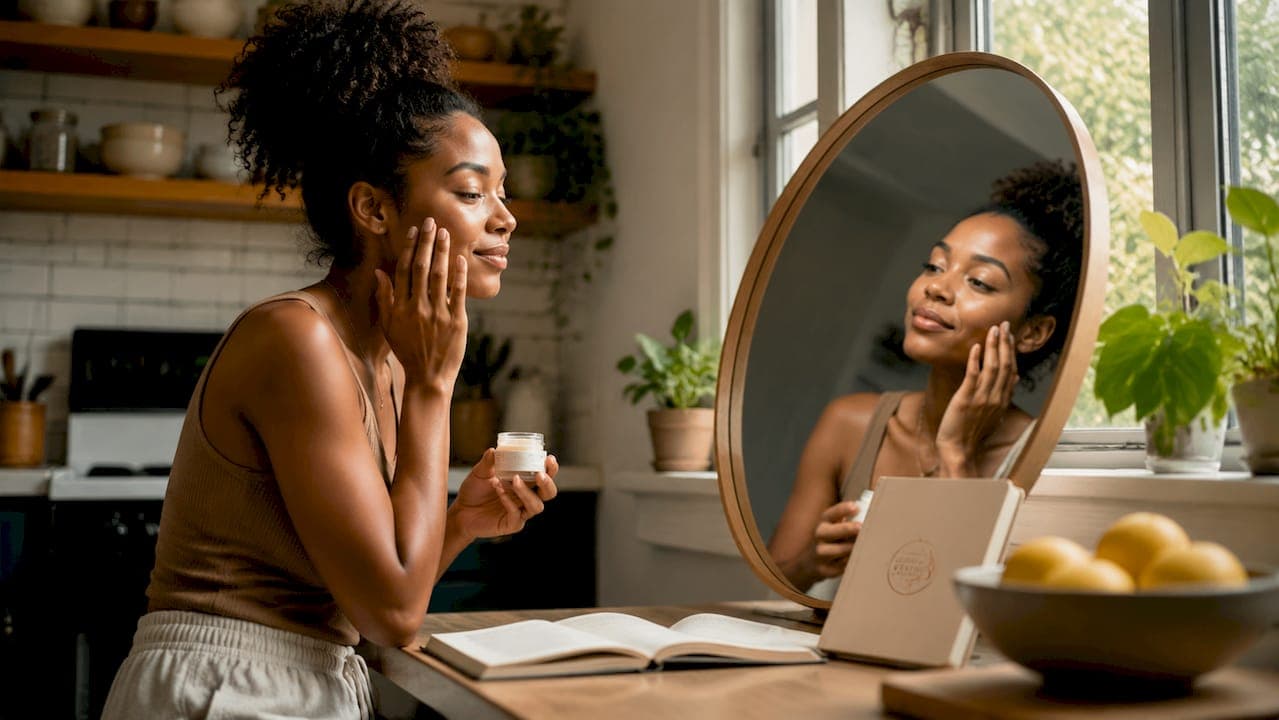
Mental well-being is the foundation of how you see yourself, how you engage with beauty routines, and how confidently you show up in the world. The role of mental health in beauty is not a soft concept. It is a documented, biological, and psychological reality. Research into fields like psychodermatology and neurocosmetics confirms that your mind and skin are in constant communication. What you feel inside shapes what you see in the mirror, and what you see in the mirror shapes how you feel. Beauty is not just what you apply. It is what you carry.
How does mental health influence physical appearance?
Mental health shapes physical appearance through direct biological pathways, not just perception. Psychodermatology research reveals bidirectional relationships between inflammatory skin disorders like psoriasis and dermatitis and depression, with shared molecular mechanisms at the neuroinflammation level. That means depression does not just make you feel worse about your skin. It can actively worsen the skin itself.
Anxiety and chronic stress trigger cortisol spikes that break down collagen, disrupt the skin barrier, and worsen conditions like acne and eczema. Poor sleep, a common symptom of depression and anxiety, reduces skin cell repair and accelerates visible aging. These are not cosmetic inconveniences. They are measurable physical outcomes of unaddressed mental health.
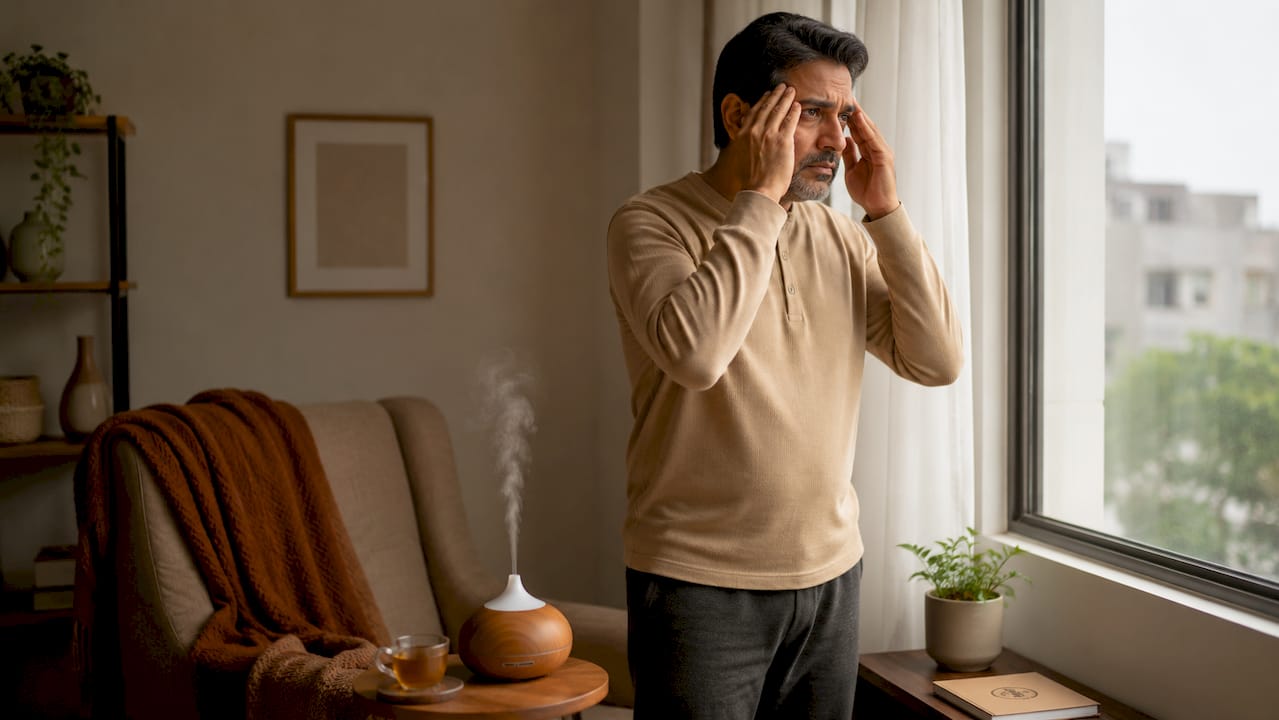
The field of neurocosmetics adds another layer. Neurocosmetic experiences influence mood and self-perception through the skin-brain axis, using neuroactive compounds and sensory cues that modulate anxiety and emotional state. A scented moisturizer or a calming facial ritual does more than hydrate. It sends signals through the nervous system that can shift your emotional baseline. The effect is real, though researchers note it requires more rigorous evidence before neurocosmetics are considered clinical treatments.
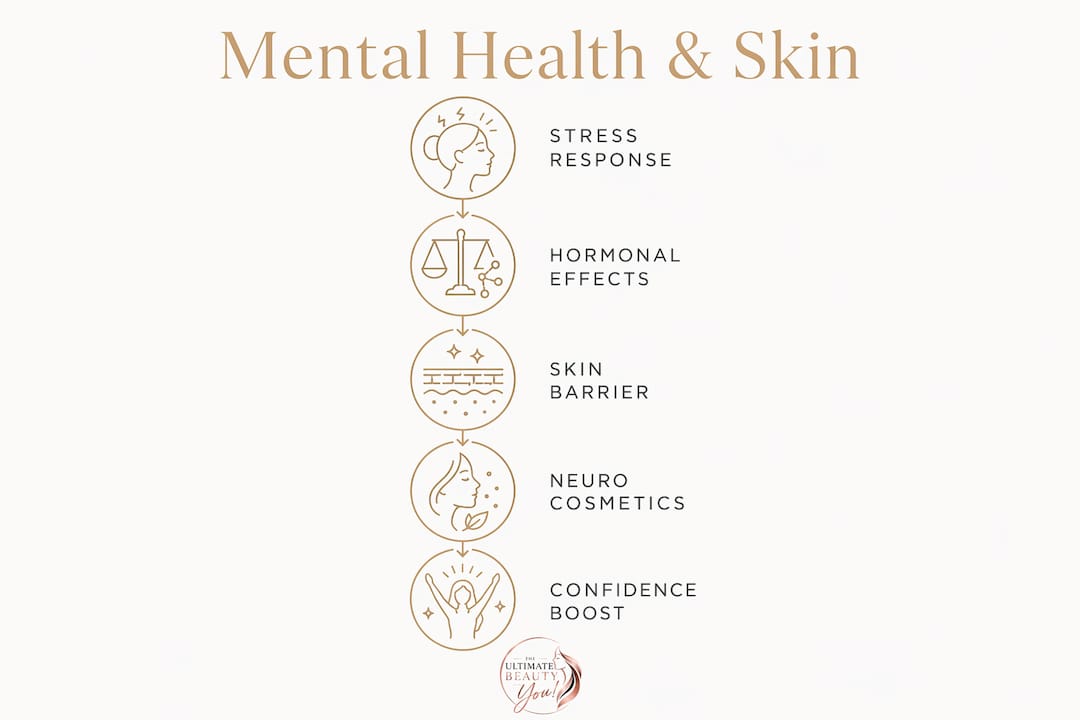
The mental health effects on appearance also show up in behavior. Women experiencing depression often reduce self-care routines, skip skincare, and disengage from grooming habits that previously supported their confidence. The withdrawal compounds the problem. Less self-care leads to more visible signs of stress, which reinforces negative self-perception.
Key mechanisms linking mental wellness to appearance include:
- Cortisol and inflammation: Chronic stress elevates cortisol, triggering systemic inflammation that worsens acne, rosacea, and psoriasis.
- Sleep disruption: Anxiety and depression reduce restorative sleep, directly impairing skin regeneration.
- Behavioral withdrawal: Depression reduces motivation for self-care, creating a cycle of neglect and lowered self-esteem.
- Sensory signaling: Neurocosmetic rituals activate the skin-brain axis, offering mood modulation through touch, scent, and texture.
How do social media beauty standards affect mental health?
Social media has become the most powerful external force shaping the psychology of beauty standards today. A meta-analysis of 45 studies involving 33,086 participants confirms a significant association between social media use and body image concerns, particularly among adolescent females. Higher engagement on Instagram specifically links to worse body image and increased eating disorder symptoms.
The harm is not passive. Social media exposure effects on body image are bidirectional and amplified by rumination loops. You scroll, compare, feel worse, scroll more to seek reassurance, and feel worse again. Experts call for interventions that go beyond individual motivation, including media literacy education at the school and community level.
One of the most alarming developments is cosmeticorexia. Psychologists now observe a pattern where appearance-focused beauty behaviors cross from self-care into compulsion. Children as young as 7 show anxiety and embarrassment linked to cosmeticorexia, caused by comparison to social media beauty ideals. Symptoms overlap with body dysmorphic disorder, and early shame impacts school attendance and self-esteem.
"Appearance-focused beauty behaviors are not always healthy self-care. Monitoring for cosmeticorexia and related distress is essential to avoid inadvertent harm."
The warning signs of harmful beauty engagement worth watching for include:
- Spending more than an hour daily focused on perceived appearance flaws.
- Avoiding social situations because of how you feel you look.
- Seeking repeated reassurance about appearance from others.
- Feeling that no beauty product or routine ever feels like enough.
- Comparing your appearance to social media images compulsively and feeling worse each time.
Recognizing these patterns early is an act of self-awareness, not weakness. The beauty industry and mental health are deeply intertwined, and the responsibility for healthier messaging belongs to platforms, brands, and communities alike.
Integrating mental health care with beauty and dermatology
Clinical dermatology has historically treated the skin and ignored the mind. That gap is closing, but slowly. A survey shows two-thirds of patients with inflammatory skin diseases report high stress, yet fewer than 15% are offered psychological support. Integrated care models that combine dermatology with mental health intervention improve outcomes for both the skin and the person inside it.
The evidence for psychotherapeutic integration is strong. Cognitive behavioral therapy and stress management incorporated into dermatologic care produce significant reductions in psychological distress, improved treatment adherence, and better skin-related quality of life. The skin responds to the mind being treated.
| Approach | What it addresses | Outcome |
|---|---|---|
| Cognitive behavioral therapy | Negative thought patterns about appearance | Reduced anxiety, improved self-image |
| Stress management training | Cortisol-driven skin flares | Fewer inflammatory episodes |
| Mindfulness meditation | Appearance-focused distress after media exposure | Buffered body dissatisfaction |
| Integrated dermatology care | Skin condition plus psychological distress | Improved adherence and quality of life |
Mindfulness meditation holds a specific, well-documented role. A 10-minute mindfulness session prevents worsening body dissatisfaction and negative mood after exposure to idealized images in women aged 18–35. The control group in the same randomized controlled trial showed significant worsening. Ten minutes of practice changed the outcome entirely.
Pro Tip: Before scrolling beauty content on Instagram or TikTok, spend five minutes on a simple breathing exercise. Inhale for four counts, hold for four, exhale for four. This brief reset activates your parasympathetic nervous system and reduces the emotional reactivity that makes comparison harmful.
Psychodermatology also requires validated psychological assessments to distinguish experiential benefits from clinical effects. Not every calming beauty ritual is therapy. Knowing the difference protects you from over-relying on products when professional support is what you actually need. Understanding inner beauty as a psychological concept, not just a marketing phrase, is where this work begins.
Practical strategies for mental wellness and beauty confidence
Mental wellness in beauty is a skill set, not a product category. The most effective tools are behavioral and cognitive, and most of them cost nothing.
The role of wellness in beauty shows up most clearly in daily habits. Here is what the research supports:
- Practice brief mindfulness before beauty content exposure. A 10-minute mindfulness practice buffers the negative mood and body dissatisfaction that idealized images trigger. You do not need an app or a subscription. You need intention and five to ten minutes.
- Use stimulus control with social media. Set specific times for social media use rather than scrolling reactively. Unfollow accounts that consistently trigger comparison or inadequacy. This is not avoidance. It is boundary-setting.
- Treat your beauty routine as a sensory ritual, not a corrective task. Neurocosmetic research confirms that the sensory experience of skincare, the scent, texture, and touch, activates mood-modulating pathways. Approach your routine with presence, not self-criticism.
- Monitor your relationship with beauty behaviors. If a routine feels compulsive, if skipping it causes significant anxiety, or if no result ever feels good enough, those are signals worth paying attention to. Early recognition of cosmeticorexia patterns protects your mental health.
- Seek integrated care when skin and mood are both struggling. Dermatologists and therapists working together produce better outcomes than either working alone.
Pro Tip: Keep a simple weekly log. Rate your mood, your skin, and your social media use on a scale of 1 to 10. After four weeks, patterns emerge. You will likely see direct correlations between high social media days and lower mood and skin scores. That data is more motivating than any wellness advice.
Self-esteem and beauty are not separate conversations. They are the same conversation. When you invest in your mental wellness, you are investing in every dimension of how you look and feel.
Key takeaways
Mental health and beauty are inseparable: your psychological state directly shapes your skin, your self-image, and the effectiveness of every beauty practice you adopt.
| Point | Details |
|---|---|
| Mind-skin connection is biological | Stress and depression trigger inflammation that worsens acne, psoriasis, and skin aging. |
| Social media harms body image | A meta-analysis of 33,086 participants links higher Instagram use to worse body image and eating concerns. |
| Mindfulness buffers comparison damage | A 10-minute practice prevents body dissatisfaction from worsening after exposure to idealized images. |
| Integrated care improves outcomes | Combining CBT with dermatologic treatment reduces distress and improves skin condition adherence. |
| Cosmeticorexia is a real risk | Children as young as 7 show anxiety linked to appearance comparison; early recognition matters. |
Beauty confidence starts from the inside out
I have spent years watching women invest in products, routines, and treatments while the real barrier to confidence goes unaddressed. The most beautifully curated skincare shelf in the world cannot fix what chronic stress, comparison culture, or untreated anxiety does to your skin and your self-image. That is not pessimism. It is the most freeing truth in beauty.
What I find most striking in the emerging research is how little it takes to shift the equation. Ten minutes of mindfulness. One boundary set on social media. One honest conversation with a dermatologist about stress. These are not grand gestures. They are the small, consistent acts that compound into genuine confidence.
The beauty industry has been slow to reckon with this. Brands still sell the promise of transformation through product alone. But the women I see thriving are not the ones with the most products. They are the ones who have learned to see themselves clearly, without the distortion of comparison or self-criticism. That clarity is a mental health outcome first, and a beauty outcome second.
The call for responsible beauty messaging is not just an ethical position. It is a clinical one. When brands and platforms normalize unrealistic ideals, they contribute to measurable psychological harm, including the cosmeticorexia patterns now appearing in girls as young as 7. We can do better. We must.
Beauty is a verb. It is the ongoing practice of showing up for yourself, mind first.
— Ava
Your next step with Theultimatebeauty-you
Theultimatebeauty-you was built on exactly this belief: that real beauty begins with how you feel, not just how you look.

The Theultimatebeauty-you platform brings together trusted experts, curated wellness and beauty resources, and a community of women committed to growing from the inside out. Whether you are looking for mindfulness-aligned beauty products that support your emotional well-being or expert guidance on building a confidence-centered routine, it is all here. You can also connect with specialists through the experts and partners network, designed specifically to support women navigating the intersection of mental wellness and beauty. This is beauty that takes you seriously.
FAQ
What is the role of mental health in beauty?
Mental health shapes beauty through biological pathways, including skin inflammation, sleep quality, and cortisol levels, as well as through self-perception and confidence. Psychological well-being directly influences how you see yourself and how effectively beauty practices work.
Can mental health affect your skin?
Yes. Psychodermatology research confirms that depression and anxiety share molecular mechanisms with inflammatory skin conditions like psoriasis and eczema. Stress elevates cortisol, which breaks down collagen and worsens skin barrier function.
How does social media impact beauty and mental health?
A meta-analysis of 45 studies with 33,086 participants found that higher social media use, especially on Instagram, significantly worsens body image and increases eating disorder symptoms, particularly in adolescent females.
What is cosmeticorexia?
Cosmeticorexia is a pattern of compulsive, appearance-focused beauty behavior driven by comparison to idealized images. Psychologists report symptoms overlapping with body dysmorphic disorder, with cases now observed in children as young as 7.
Does mindfulness actually help with beauty confidence?
Yes. A randomized controlled trial found that a 10-minute mindfulness meditation session prevents body dissatisfaction and negative mood from worsening after exposure to idealized beauty images, while the control group showed significant decline.