
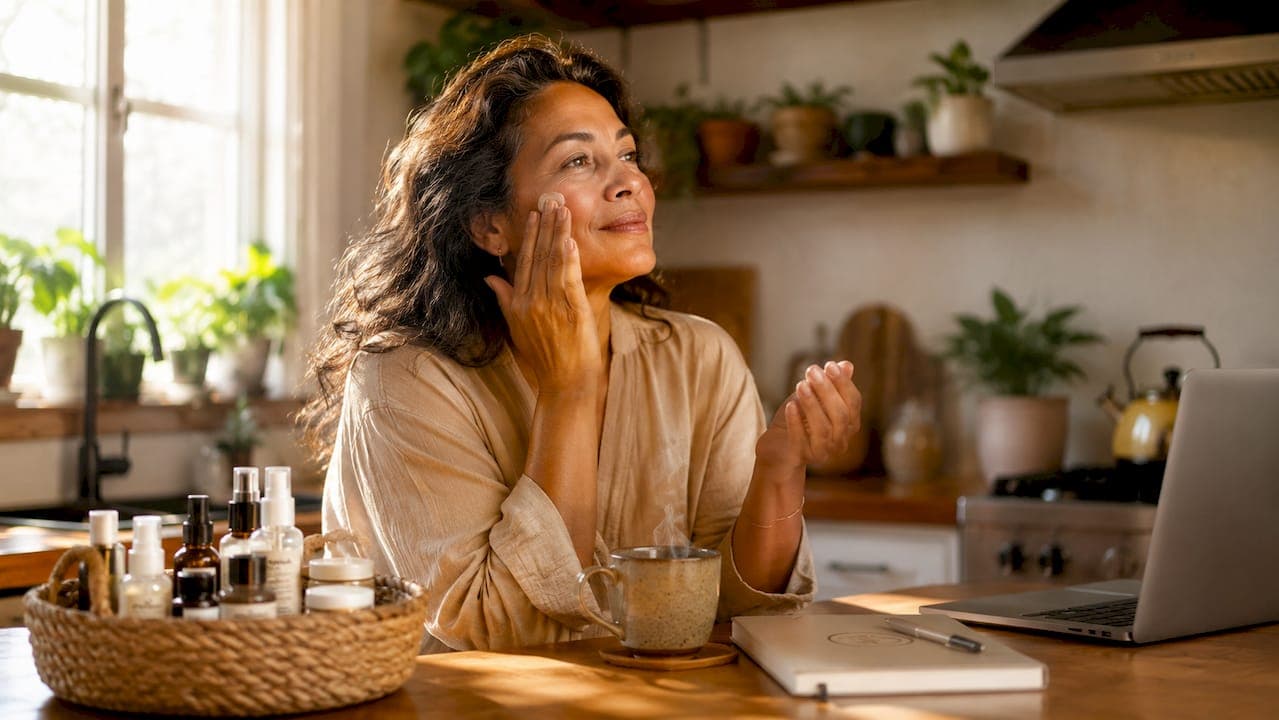
Beauty at every age is the expression of confidence, self-care, and emotional wellness that adapts through every stage of life. It is not a fixed standard. It is a living, evolving practice shaped by your skin, your story, and the world around you. The formal term for this concept in wellness and psychology circles is age-inclusive beauty, and it covers everything from daily skincare science to the emotional work of rejecting unattainable ideals. At Theultimatebeauty-you, we believe beauty is not perfection. Beauty is a verb. Beauty is becoming.
What is beauty at every age, really?
Beauty at every age is defined as the intersection of physical care and emotional acceptance, shaped by cultural and social expectations that shift across a lifetime. That definition matters because it removes the idea that beauty belongs to one decade or one body type. A 22-year-old and a 62-year-old are both navigating beauty. They are just navigating different terrain.
What defines beauty at different ages changes with culture, era, and personal experience. A standard celebrated in one country may be invisible in another. An ideal popular in the 1990s looks nothing like the one trending now. Beauty ideals vary across cultures and time periods, which means no single standard is universal or permanent. That is liberating, not discouraging.
The physical and emotional sides of beauty are inseparable. Skin health, nutrition, sleep, and movement all affect how you look. Self-perception, confidence, and mental health affect how you feel about what you see. Age-inclusive beauty asks you to tend to both. It is an inside-out, head-to-toe practice, and it is the foundation of everything Theultimatebeauty-you stands for.
How do beauty standards by age affect women across life stages?
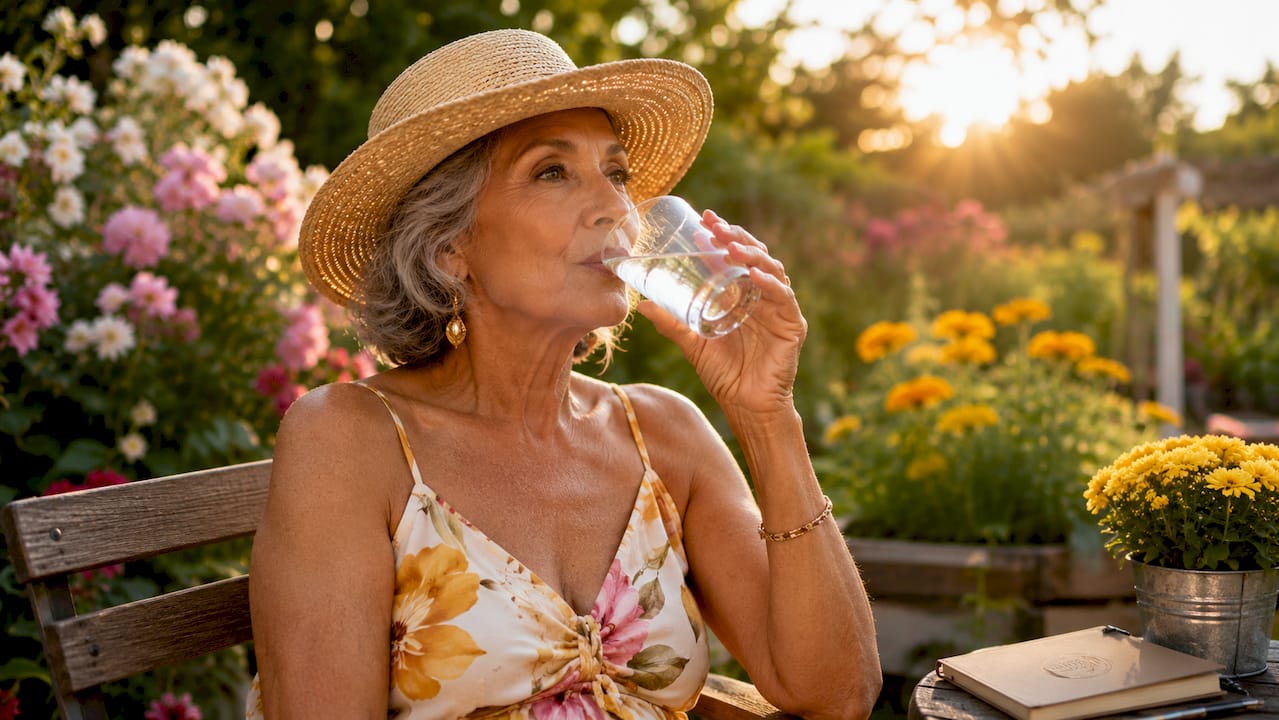
Beauty standards are socially constructed, and they carry real emotional weight. Women face a gendered double standard in aging that places far greater pressure on them to mask the signs of getting older. Men with gray hair are often called distinguished. Women with gray hair are often called aged. That gap is not accidental. It is cultural, and it costs women time, money, and self-worth.
The psychological effects of chasing unattainable ideals are well documented. Constant exposure to narrow beauty images increases anxiety, lowers self-esteem, and drives compulsive spending on products that promise transformation. The emotional cost of those unattainable standards is real and cumulative. Recognizing that cost is the first step toward choosing a different relationship with beauty.
"Beauty ideals are not truths. They are cultural agreements that change. You are allowed to opt out of agreements that do not serve you."
Age-related beauty pressures do not follow a single timeline. Consider how these pressures shift across life stages:
- Adolescence (13–25): Body image pressures peak during the teen years, driven by social comparison and media exposure.
- 20s and 30s: Pressure shifts toward anti-aging prevention, often before visible aging has even begun.
- Pregnancy and postpartum: Body changes trigger new waves of self-scrutiny and comparison.
- 40s and 50s: Menopause and visible skin changes collide with cultural messaging that equates youth with value.
- 60s and beyond: Women who reject anti-aging pressure often report the greatest freedom and self-acceptance of their lives.
Framing beauty as personal and contextual reduces shame at every one of these stages. You get to define what beauty means for your life, your skin, and your season.
What are the best daily skincare practices for every age?
Consistent, science-backed skincare is the most reliable physical investment you can make at any age. Dermatologists agree that broad-spectrum SPF 30+ sunscreen is the single most effective step for preventing premature visible aging. That means applying it every morning, rain or shine, and reapplying every two hours when outdoors. Many women apply sunscreen once and consider the job done. That habit cuts the protection in half.
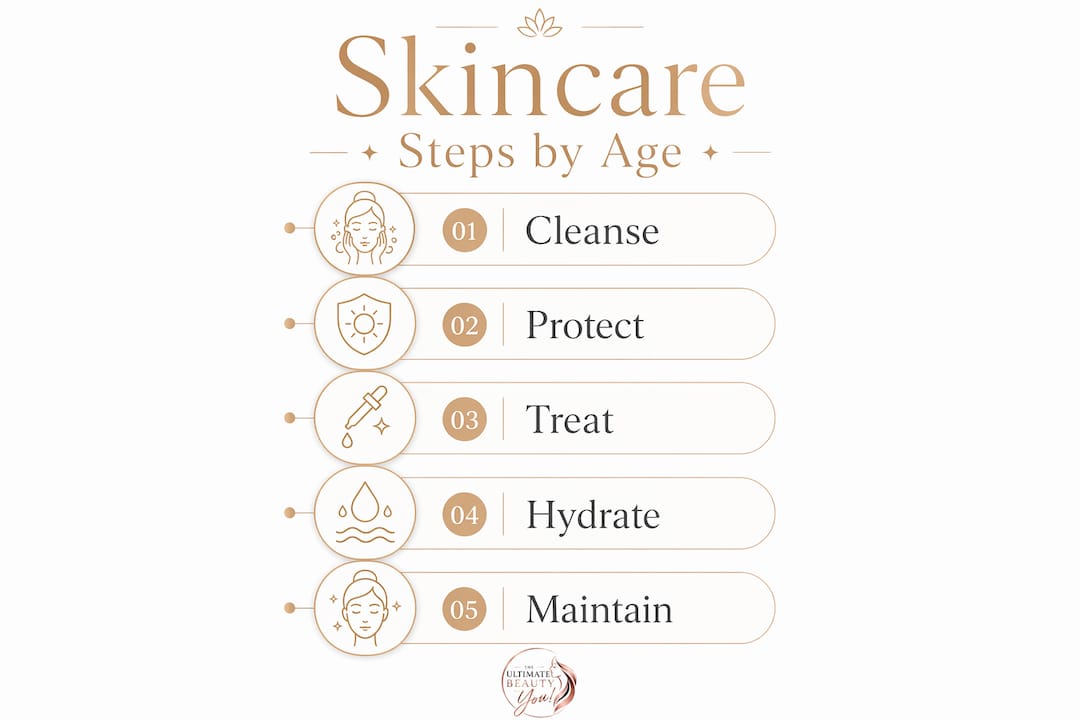
Retinoids are the second pillar of age-inclusive skincare. They increase cell turnover, reduce fine lines, and improve skin texture over time. The key is patience. Introduce retinoids slowly, starting with one to two nights per week, always at night, and always paired with SPF the following morning. Jumping straight to nightly use causes irritation that sends most women straight back to the shelf. Slow wins.
Hydration is the third pillar. Ingredients like hyaluronic acid draw moisture into the skin, while antioxidants like vitamin C protect against environmental damage. As skin matures, its natural moisture barrier weakens, so richer creams and barrier-supporting ingredients like ceramides become more important. The routine does not need to be complex. It needs to be consistent.
Pro Tip: Measure retinoid success by how well your skin tolerates the product, not by how often you use it. Tolerance and consistency beat frequency every time.
Recommended skincare steps by decade
| Decade | Morning routine | Evening routine |
|---|---|---|
| 20s | Cleanser, vitamin C serum, SPF 30+ | Cleanser, light moisturizer |
| 30s | Cleanser, vitamin C serum, SPF 30+ | Cleanser, retinoid (2x/week), moisturizer |
| 40s | Cleanser, antioxidant serum, SPF 30+ | Cleanser, retinoid (3–4x/week), richer moisturizer |
| 50s+ | Cleanser, hydrating serum, SPF 30+ | Cleanser, retinoid, ceramide-rich moisturizer |
Sunscreen reapplication is one of the most skipped steps in daily routines. Research on sun protection behaviors shows that under-application and skipped reapplication significantly reduce the real-world effectiveness of even the best SPF products. Treat sunscreen like a scheduled habit, not an afterthought.
How do skin conditions and life transitions affect beauty and self-esteem?
Skin conditions do not respect age. Acne affects approximately 9.4% of the global population and causes embarrassment, anxiety, and social withdrawal across all age groups, not just teenagers. Adult acne in particular carries a specific shame because it defies the expectation that skin "clears up" with age. That shame is a social construct, not a medical verdict.
The psychological impact of visible skin concerns is significant. Women dealing with acne, rosacea, hyperpigmentation, or eczema often report reduced confidence in social and professional settings. The connection between skin health and mental health runs deep. Addressing skin concerns without also addressing the emotional layer leaves the real problem untreated.
Major life transitions add another dimension to body image. Pregnancy reshapes the body in ways that culture rarely celebrates honestly. Menopause brings skin dryness, thinning, and texture changes that no one prepares you for. Aging itself is treated as a problem to solve rather than a process to honor. Each of these transitions deserves both practical support and emotional acknowledgment.
Here are strategies that build resilience through these transitions:
- Seek mental health support alongside skincare. Confidence is not a side effect of clear skin. It is a practice.
- Connect with community. Community-driven approaches that combine skin management with psychosocial support reduce shame and build lasting confidence.
- Name the cultural message. When you feel bad about your skin or your body, ask whether the feeling is yours or whether it was handed to you.
- Celebrate function over appearance. Your skin protects you. Your body carries you. That is worth honoring.
Pro Tip: Journaling about body image during major transitions, such as pregnancy or menopause, helps separate your own values from external pressure. Write what your body does, not just how it looks.
What mindset shifts help women embrace timeless beauty at any age?
Embracing beauty at every age requires both practical habits and a shift in how you think about beauty itself. The two work together. Sustainable self-care habits grow from a foundation of self-compassion, not self-criticism. When you care for your skin because you value yourself, the routine sticks. When you do it to fix what is "wrong," it exhausts you.
Here are five mindset shifts and practices that make a real difference:
- Practice self-compassion daily. Speak to yourself the way you would speak to a woman you love. Positive self-talk is not vanity. It is the foundation of healthy beauty habits that last.
- Audit your media diet. The images you consume shape your baseline for "normal." Follow accounts that show real skin, real bodies, and real aging. Unfollow what makes you feel less than.
- Build adaptable routines. A skincare routine that works at 30 will need adjusting at 45. Build the habit of reassessing your routine every year, not just when something goes wrong.
- Lean into community. Shared experience normalizes what you are going through. Finding women at similar life stages who speak honestly about beauty reduces isolation and shame.
- Avoid the complexity trap. A 12-step routine you abandon beats a 3-step routine you never start. Simplicity and consistency are the real timeless beauty tips.
Questioning cultural beauty messages is not cynicism. It is literacy. When you understand that beauty standards are constructed and changeable, you reclaim the authority to define beauty on your own terms. That is not a small shift. It is the whole game.
Key takeaways
Beauty at every age is a practice, not a destination. It requires consistent physical care, emotional resilience, and the courage to define beauty on your own terms.
| Point | Details |
|---|---|
| Beauty is not fixed | Beauty standards vary by culture and era, so no single ideal is universal or permanent. |
| SPF 30+ is non-negotiable | Daily broad-spectrum sunscreen, reapplied every two hours outdoors, is the most effective anti-aging step. |
| Retinoids require patience | Start with one to two nights per week and measure success by skin tolerance, not frequency. |
| Skin conditions affect all ages | Acne and other visible skin concerns cause real psychological impact and deserve both skin and emotional care. |
| Community accelerates growth | Shared experience and peer support normalize evolving beauty standards and reduce shame at every life stage. |
Beauty is becoming: my honest perspective on age and self-worth
I have spent years watching women apologize for their age. They apologize for their gray hair, their laugh lines, their postpartum bodies, their menopausal skin. And every time, I think: who taught you that your evolution was something to be sorry for?
The pressure on women to look younger is not a neutral cultural preference. It is a gendered standard that demands women remain visually frozen while life moves through them. That standard is worth naming clearly and rejecting loudly.
What I have seen work, again and again, is this: women who invest in both their skin and their inner life age with the most grace. Not because they look younger, but because they have stopped measuring themselves against a standard that was never designed to include them. They have built routines that feel like self-respect, not self-correction.
The most powerful thing you can do for your beauty at any age is to embrace natural beauty as an active choice, not a consolation prize. Use the SPF. Try the retinoid. Find your community. And then decide, for yourself, what beautiful means in this chapter of your life.
Beauty is not perfection. Beauty is a verb. Beauty is becoming.
— Ava
Theultimatebeauty-you is built for every stage of your beauty life
You deserve a space that meets you exactly where you are, whether you are 23 and building your first real skincare routine or 55 and redefining what beauty means after menopause.
Theultimatebeauty-you is a women-centered platform offering products tailored to your skin at every age, expert-backed resources, and a community of women who are honest about the full picture of beauty and becoming. From trusted skincare guidance to real conversations about confidence and self-worth, everything here is built with you in mind. Visit Theultimatebeauty-you and find the support, the products, and the community that fit your life right now.
FAQ
What is beauty at every age?
Beauty at every age is the practice of combining physical self-care with emotional acceptance, shaped by personal values rather than fixed cultural standards. It evolves with each life stage and is defined by the individual, not by a single ideal.
Does beauty really change as you get older?
Yes. Skin needs, hormonal changes, and life transitions all shift what effective beauty care looks like. Beauty ideals also change culturally over time, which means the standards you grew up with are not permanent truths.
What is the most important skincare step at any age?
Daily broad-spectrum SPF 30+ sunscreen is the most effective single step for preventing premature visible aging, according to dermatologists. Reapplication every two hours when outdoors is critical to maintaining its effectiveness.
How does acne affect women beyond their teenage years?
Acne affects people of all ages and causes embarrassment, anxiety, and social withdrawal well into adulthood. Addressing both the skin condition and its psychological impact produces better outcomes than treating the skin alone.
How can I build a beauty routine that lasts?
Start with three consistent steps: SPF in the morning, a retinoid a few nights per week, and a hydrating moisturizer. Reassess your routine annually as your skin changes, and prioritize habits that feel like self-respect rather than self-correction.