
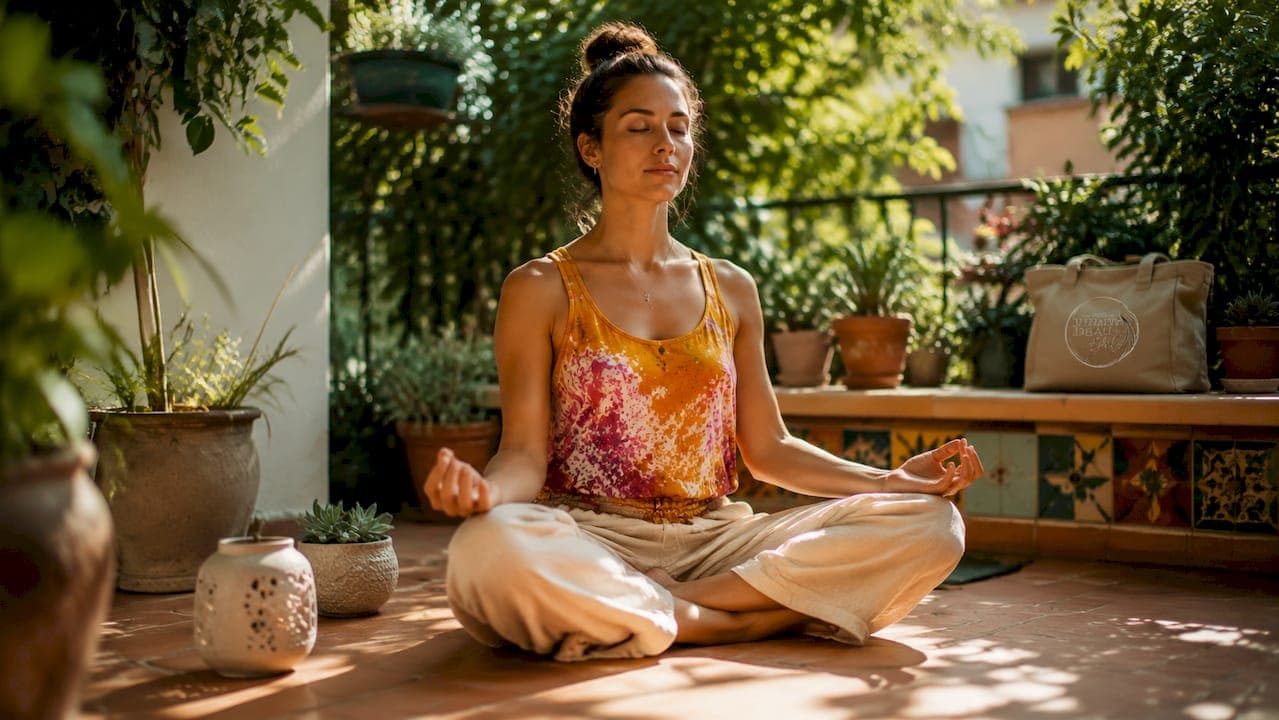
Mindfulness is defined as the practice of paying nonjudgmental attention to present-moment thoughts, emotions, and sensations. The types of mindfulness practices women use most effectively include mindful breathing, body scans, walking meditation, and loving-kindness meditation, each addressing a distinct emotional or situational need. These techniques, often called mindfulness-based interventions in clinical settings, are backed by research showing real benefits across pregnancy, menopause, and trauma recovery. Whether you have two minutes or two hours, there is a practice that fits your life right now.
1. What are the most common types of mindfulness practices women use?
Mindfulness practices for women fall into three broad categories: breath-based, body-based, and movement-based techniques. Mindful breathing, body scans, and walking meditation are the most widely taught and the most accessible starting points. Each one uses an anchor, such as breath, body sensation, or footsteps, to keep attention in the present moment. None of them require emptying the mind. They simply ask you to notice what is already there.
The goal is awareness, not perfection. That distinction matters because many women abandon mindfulness early, believing they are "doing it wrong" when thoughts arise. Thoughts arising is the practice. Noticing them and returning to your anchor is the whole point.
2. Mindful breathing for quick stress relief
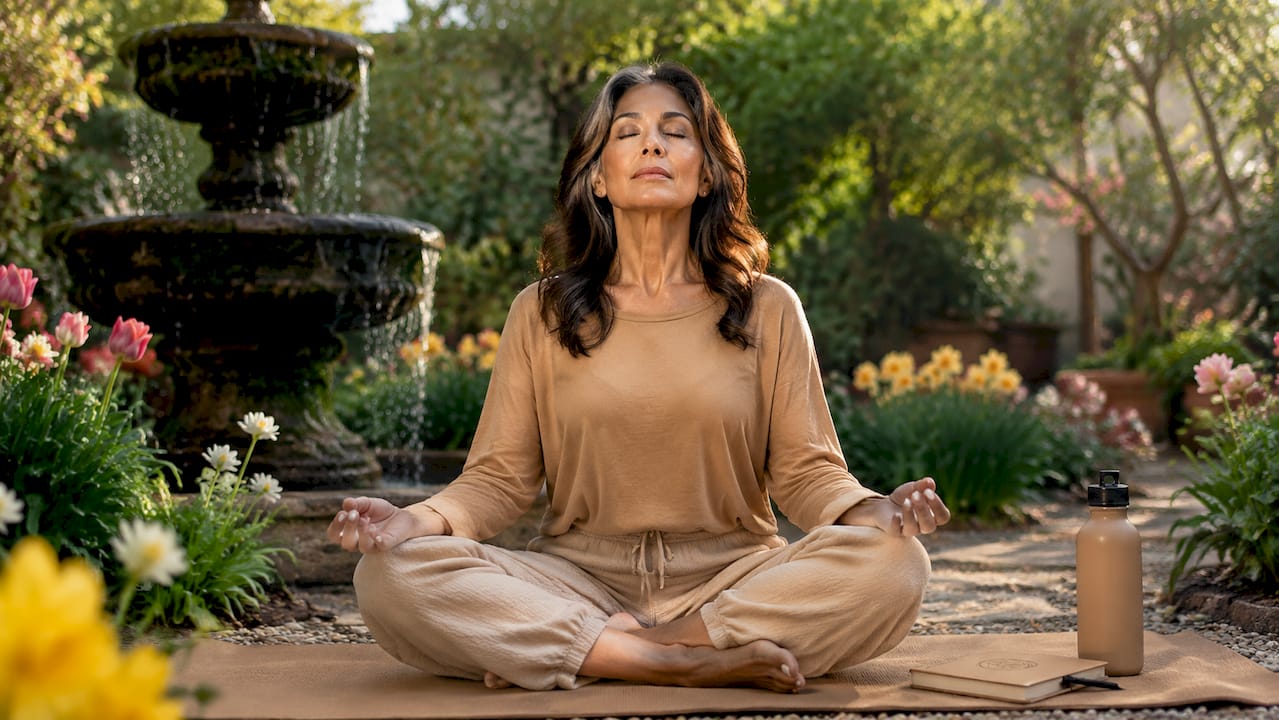
Mindful breathing is the fastest entry point into any mindfulness practice. Short 2–5 minute sessions of focused breath awareness reduce stress and reset the nervous system without requiring any equipment or a quiet room. You simply focus on the physical sensation of each inhale and exhale, noticing the rise and fall of your chest or belly.
This technique works in a car, at a desk, or in a bathroom between meetings. The breath is always available. That accessibility makes it the most sustainable mindfulness tool for women with demanding schedules.
Pro Tip: Anchor your breathing practice to an existing habit, such as your morning coffee or washing your hands, so it becomes automatic rather than another item on your to-do list.
3. Body scan meditation for physical and emotional awareness
A body scan is a practice where you move attention slowly through each part of the body, from the feet upward, noticing sensation without judgment. It builds the connection between physical experience and emotional state, which many women find surprisingly revealing. Tension held in the shoulders, jaw, or chest often reflects unprocessed stress.
Body scans typically run 10–45 minutes in structured programs, but even a 5-minute version before sleep produces results. Apps like Calm, Headspace, and Insight Timer all offer guided body scan sessions at multiple lengths. Starting with a short version and building duration over time is the most practical approach.
4. Walking meditation for movement-based mindfulness
Walking meditation turns ordinary movement into a mindfulness practice by directing attention to the sensation of each step, the contact of the foot with the ground, and the rhythm of the body in motion. It is especially useful for women who find sitting still difficult or who experience restlessness during traditional seated meditation. The practice requires no special setting. A hallway, a backyard, or a park path all work equally well.
Mindful walking is one of the most recommended practices for women managing anxiety, because the physical movement provides a natural outlet while the attention anchor keeps the mind from spiraling. It combines the benefits of light physical activity with the mental reset of formal meditation.
5. Loving-kindness meditation for self-compassion and resilience
Loving-kindness meditation, known clinically as Metta practice, involves silently repeating phrases of goodwill directed first toward yourself, then toward others. Phrases like "May I be well. May I be at peace." are repeated slowly, with intention. The practice builds self-compassion, which research identifies as a distinct psychological resource separate from mindfulness itself.
Mindfulness combined with self-compassion predicts lower PTSD, depression, and trauma symptoms in adult women. That finding matters because many women practice mindfulness without ever directing warmth toward themselves. Adding loving-kindness to a regular practice closes that gap and strengthens emotional recovery.
6. Structured 8-week mindfulness programs with clinical results
Structured mindfulness programs, most commonly Mindfulness-Based Stress Reduction (MBSR) and Mindfulness-Based Cognitive Therapy (MBCT), run for eight weeks with daily guided practice. An 8-week app-based mindfulness intervention for working women improved stress, depression, anxiety, and life satisfaction significantly in a randomized controlled trial. The program followed a progressive sequence: breath meditation, body scan, sound awareness, and loving-kindness meditation, each building on the last.
Daily practice adherence matters as much as the specific technique used. Consistency over eight weeks produced the measurable outcomes, not any single session. That finding reframes the goal from "perfect meditation" to "showing up daily."
| Practice type | Typical duration | Primary benefit |
|---|---|---|
| Breath meditation | 5–20 minutes | Stress reduction, focus |
| Body scan | 10–45 minutes | Emotional awareness, sleep |
| Loving-kindness | 10–20 minutes | Self-compassion, resilience |
| Sound awareness | 5–15 minutes | Present-moment grounding |
| Walking meditation | 10–30 minutes | Anxiety relief, movement |
7. Mindfulness for menopausal women
Mindfulness-Based Stress Reduction reduces negative affect and mood swings in menopausal women, with benefits that hold at a 3-month follow-up. The study used eight group MBSR sessions with women averaging 51.3 years of age. Mood stability, not just immediate calm, was the outcome. That persistence beyond the program itself is what makes MBSR worth the eight-week commitment for women in perimenopause or menopause.
The hormonal shifts of menopause directly affect the brain's stress response. Mindfulness practices that target emotional regulation, specifically body scans and breath-based techniques, address that biological reality without medication. They work alongside other treatments, not instead of them.
Pro Tip: If you are navigating menopause, start with a structured MBSR program rather than self-guided practice. The group format provides accountability and community, both of which amplify results.
8. Mindfulness practices during pregnancy
Mindfulness programs designed for pregnant women reduce anxiety and lower biological stress markers. Practices adapted for pregnancy prioritize comfort, using supported seated or reclined positions, and focus on breath awareness and body scanning to build a calm connection with physical changes. Guided audio programs are especially practical because they require no travel and adapt to any trimester.
The benefit extends beyond the mother. Reduced maternal stress during pregnancy is associated with better outcomes for the baby. Mindfulness in this life stage is both a self-care practice and a form of prenatal care.
9. Mindfulness for trauma recovery
Trauma-exposed women benefit most from a combination of mindfulness and self-compassion practices. Mindfulness and self-compassion are complementary psychological resources that together reduce PTSD symptoms, depression, and trauma-related distress in adult women. Mindfulness alone builds awareness of present-moment experience. Self-compassion adds the layer of kindness toward that experience, which is often absent in trauma survivors.
Trauma-sensitive mindfulness modifies standard practices to avoid triggering dissociation or overwhelm. Teachers trained in trauma-sensitive approaches, such as those certified through the Trauma-Sensitive Mindfulness framework developed by David Treleaven, guide women to use external anchors like sound or touch rather than internal body sensations when needed. Choosing a trauma-informed instructor or program matters significantly for this population.
10. Mindful daily activities as informal practice
Informal mindfulness means bringing full attention to ordinary tasks rather than setting aside dedicated meditation time. Mindful eating, mindful handwashing, and mindful walking to the car are all legitimate practices. Mindfulness during everyday tasks is as valid as formal seated meditation, particularly for women whose schedules leave no room for structured sessions.
The key is deliberate attention. Washing dishes while noticing the temperature of the water, the texture of the soap, and the sound of the water running is mindfulness. Washing dishes while mentally rehearsing tomorrow's meeting is not. The difference is where your attention lives.
- Mindful eating: focus on taste, texture, and hunger cues without screens
- Mindful handwashing: use the 20-second wash as a breath reset
- Mindful commuting: notice five physical sensations during your drive or train ride
- Mindful skincare: treat your morning or evening routine as a grounding ritual
11. How to choose the right mindfulness practice for your life
The right mindfulness practice is the one you will actually do. Time availability, physical comfort, and emotional needs are the three criteria that matter most. A woman managing chronic pain needs a different entry point than a woman recovering from burnout or navigating new motherhood.
| Practice | Ease of entry | Time needed | Best setting | Ideal for |
|---|---|---|---|---|
| Mindful breathing | Very easy | 2–5 minutes | Anywhere | Beginners, busy schedules |
| Body scan | Easy | 10–45 minutes | Quiet space | Sleep issues, stress |
| Walking meditation | Easy | 10–30 minutes | Indoors or outdoors | Restlessness, anxiety |
| Loving-kindness | Moderate | 10–20 minutes | Quiet space | Trauma recovery, self-worth |
| Structured MBSR | Moderate | 8 weeks, daily | App or group | Menopause, clinical outcomes |
Movement-based practices like yoga and walking meditation suit women who feel restless or disconnected from their bodies. Seated practices like breath meditation and body scans suit women who need stillness and internal focus. Mixing both across the week builds the most resilient practice. You can also weave mindfulness into beauty routines as a natural starting point if formal meditation feels out of reach right now.
Key takeaways
The most effective mindfulness practice for women is the one practiced consistently, adapted to her life stage, and paired with self-compassion for lasting emotional benefit.
| Point | Details |
|---|---|
| Start with breath or body scan | Both are accessible, require no equipment, and show results in 2–5 minutes daily. |
| Match practice to life stage | MBSR suits menopause; trauma-sensitive mindfulness suits recovery; adapted programs suit pregnancy. |
| Combine mindfulness with self-compassion | Loving-kindness meditation adds the self-directed warmth that mindfulness alone does not provide. |
| Consistency beats technique | An 8-week daily practice produces measurable improvements in stress, mood, and life satisfaction. |
| Informal practice counts | Mindful eating, handwashing, and skincare routines are legitimate and sustainable mindfulness formats. |
What I have learned from years of watching women practice mindfulness
The biggest mistake I see women make with mindfulness is treating it like another performance. They read about the "right" way to meditate, feel they are failing at it, and quit within two weeks. Mindfulness is not a test. It is a practice, which means imperfection is built into the definition.
What actually works, in my observation, is starting absurdly small. Two minutes of mindful breathing while the coffee brews. A single body scan before sleep. One mindful walk per week. Women who start small and stay consistent build something real. Women who commit to 45-minute sessions on day one usually abandon the whole thing by day ten.
The research on app-based programs matters here. The clinical results from structured 8-week interventions came from daily practice, not marathon sessions. That tells you everything about where to put your energy. Show up daily. Keep it short. Let it grow.
The other thing I believe deeply is that mental health and beauty confidence are not separate conversations. How you feel inside shapes how you carry yourself, how you see yourself in the mirror, and how you show up in every room. Mindfulness is not a wellness add-on. It is the foundation that makes everything else work better. Your skincare routine, your fitness habits, your relationships. All of it runs better when your nervous system is regulated.
Start where you are. Use what you have. Be kind to yourself in the process.
— Ava
Your next step in women's wellness
Mindfulness works best when it is supported by the right tools and community. At Theultimatebeauty-you, we bring together wellness products, expert guidance, and a community of women who are committed to growing from the inside out.

Whether you are looking for products that support relaxation, grounding rituals, or daily self-care, our wellness and beauty collection is curated with women's real lives in mind. Every item is chosen to complement the practices you are building, not replace them. Beauty is becoming. And we are here for every step of that process with you.
FAQ
What is the easiest mindfulness practice for beginners?
Mindful breathing is the most accessible starting point. Brief sessions of 2–5 minutes require no equipment, no training, and can be done anywhere during the day.
How does mindfulness help women during menopause?
MBSR reduces negative mood and mood swings in menopausal women, with benefits that persist at a 3-month follow-up. Eight group sessions produced stable improvements in emotional regulation.
Can mindfulness reduce PTSD symptoms in women?
Yes. Mindfulness combined with self-compassion predicts lower PTSD, depression, and trauma symptoms in adult women, making the pairing more effective than mindfulness alone.
How long does it take to see benefits from mindfulness practice?
An 8-week daily mindfulness program produced measurable improvements in stress, anxiety, depression, and life satisfaction in working women. Shorter daily sessions can produce noticeable shifts in mood within the first two weeks.
Can I practice mindfulness without meditating formally?
Absolutely. Informal practices like mindful eating, mindful handwashing, and mindful daily activities are recognized as valid mindfulness formats and work well for women with limited time.