

Expert brand collaborations deliver credibility, targeted reach, higher conversion, reusable content, and earned media that keeps working long after a campaign ends. The proof is in the trust gap: consumers report far more confidence in registered dietitians and healthcare professionals than in social media influencers when it comes to wellness advice. That gap is the whole business case.
When beauty, wellness, and lifestyle brands partner with the right credentialed voices, they gain:
- Instant credibility borrowed from real expertise
- Access to a warmer, more qualified audience
- Better conversion and repeat purchase
- Content assets that outlive the campaign
- Earned media coverage paid ads can't buy
- A broader, more inclusive community
Communities like Theultimatebeauty-you exist because brands and experts both need a structured way to find each other. This is what makes the difference between a one-off post and a partnership that compounds.
Key Takeaways
Expert brand collaborations work because credentialed authority, sustained relationships, and reusable content compound trust and conversion in ways one-off influencer posts cannot.
| Point | Details |
|---|---|
| Credentials drive conversion | Registered dietitians earn significantly higher consumer trust than social media influencers for wellness advice. |
| Protect expert independence | Let credentialed partners decline or revise claims that conflict with their clinical judgment. |
| Retainer models outperform one-offs | Longer partnerships extend creative lifespan and lower acquisition costs over time. |
| Plan usage rights upfront | Secure multichannel reuse rights before content creation to maximize value per asset. |
| Start with Theultimatebeauty-you | The platform connects brands with vetted experts through listings, sponsored partnerships, and co-hosted events. |
Table of Contents
- Why Do Brands Benefit From Expert Collaborations?
- How Do You Structure a Collaboration That Protects Expert Authority?
- What Metrics Prove a Collaboration Is Working?
- How Theultimatebeauty-you Connects Brands With Trusted Experts
- Should You Prioritize Long-Term Partnerships Over One-Off Campaigns?
- What Risks Come With Expert Brand Partnerships?
- What Should Brands Budget for Expert Collaborations?
- What Do Successful Expert Collaborations Look Like?
- Why the Best Collaborations Start Before the Contract Does
- Ready to Start Collaborating With Trusted Experts?
- Frequently Asked Questions
- Sources
Why Do Brands Benefit From Expert Collaborations?
Each benefit above shows up differently depending on what you're optimizing for. Here's how they actually play out in practice.
Credibility and trust. Consumers trust registered dietitians and healthcare professionals far more than they trust influencers for nutrition guidance, with 66% trusting RDs versus 28% for social media influencers. That gap explains why a supplement brand working with a licensed nutritionist tends to see stronger initial conversion than the same brand running an unbranded influencer post. Credentials aren't a nice bonus. They're the reason the audience believes the claim in the first place, as shown by examples of clinically tested beauty supplements that benefit from expert validation.
Targeted reach and engagement. A niche practitioner audience, say, a dermatologist's 40,000 followers, often converts better than a lifestyle influencer's 400,000, because the people who follow that dermatologist arrived there specifically for skin advice. Broad reach fills a funnel. Targeted reach fills a cart.
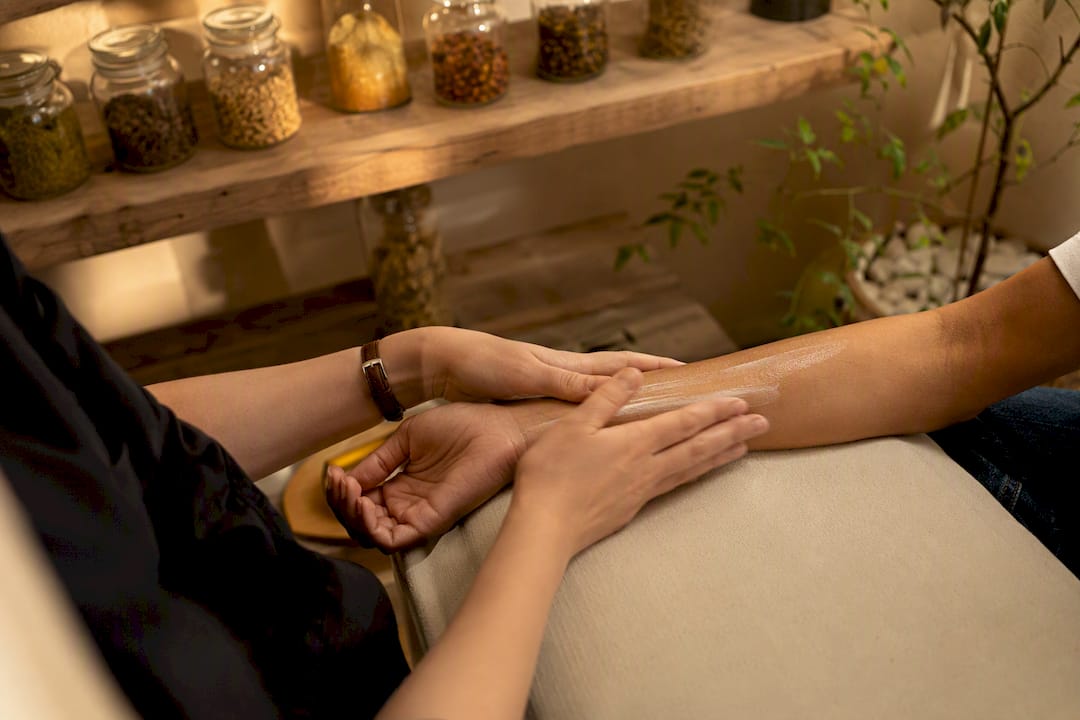
Conversion and long-term value. Trust drives the first purchase, but community keeps people coming back. When an expert continues showing up in someone's feed, month after month, that repeat exposure builds the kind of loyalty a single flash sale never will.
Content flywheel. One well-briefed collaboration can generate video, stills, testimonial copy, and email content simultaneously. Brands that plan for multichannel reuse, paid ads, email, in-store signage, long-form video, and secure those usage rights upfront get more value per dollar spent than brands that treat each asset as single-use.
Earned media and PR. Editorial independence matters here. PR professionals note that collaborations preserving an expert's independence and substance over spectacle are more likely to earn organic press coverage and sustained engagement, because journalists and editors can smell a scripted placement from a mile away.
Inclusion and community expansion. Partnering with experts across different backgrounds, body types, ages, and specialties naturally widens who sees themselves reflected in your brand. Explore how micro-influencers shape beauty marketing for a closer look at how smaller, more specific audiences often outperform broad ones.
Pro Tip: Before you approach any expert, screen for people who already talk about your category organically. Existing affinity cuts negotiation time and produces content that reads as genuine, not scripted.
How Do You Structure a Collaboration That Protects Expert Authority?
Getting the benefits above requires setting up the partnership correctly from day one. Follow these steps in order.
- Find experts with organic affinity first. Search social platforms for people already mentioning your product or category unprompted. Thayer's built a successful product launch this way, working with creators who had already used and loved the brand before any contract existed.
- Choose a format that protects independence. Educational sessions, consult roles, and co-created content let the expert speak in their own voice instead of reciting brand copy. Scripted posts tend to convert worse and get flagged as inauthentic faster.
- Set compensation with credentials in mind. Clinicians and licensed practitioners often command two to six times standard influencer rates depending on specialty and audience size. That premium is usually worth it in health-adjacent categories, where their conversion lift offsets the higher fee.
- Write a usage-rights checklist before you sign anything. Specify which channels the content can run on, how long you can use it, whether paid amplification is included, and the approval window for edits.
- Build in compliance language from the start. Include disclosure requirements, pre-approved claim language, and a clause letting credentialed experts decline or modify claims that conflict with their clinical judgment.
Pro Tip: Draft your brand storytelling framework before you brief any expert. A consistent narrative universe helps every partner sound like part of the same story instead of ten disconnected campaigns. Our brand storytelling guide walks through how to build one.
What Metrics Prove a Collaboration Is Working?
Short-term numbers tell you if the campaign launched well. Long-term numbers tell you if it built something durable.
In the first 30 to 60 days, track impressions, engagement rate, click-through rate, coupon code redemptions, and UTM-tagged conversions. These numbers confirm the content resonated and drove immediate action.
Beyond that window, watch repeat purchase rate, lifetime value uplift, community growth (email list adds, follower quality, not just count), and earned media pickups that weren't paid for. These are slower to materialize but far more valuable, especially for credentialed-expert partnerships where trust compounds over months, not days.
| Timeframe | Metrics to track | What it tells you |
|---|---|---|
| First 30 to 60 days | Impressions, engagement rate, CTR, coupon redemptions | Whether the content resonated and drove immediate action |
| 60 days | Repeat purchase rate, LTV uplift, email list growth | Whether trust is converting into loyalty |
| Ongoing | Earned media mentions, unprompted community shares | Whether the partnership generates coverage you didn't pay for |
Attribution gets easier when you track creator cohorts separately rather than lumping every partnership into one blended number. A multi-touch model that credits both the initial post and the follow-up content gives a fairer picture than last-click attribution alone, especially for partnerships built to last longer than a single flight of ads.
How Theultimatebeauty-you Connects Brands With Trusted Experts
Theultimatebeauty-you operates as a marketplace and community built specifically to connect beauty, wellness, and lifestyle brands with credentialed experts and a highly engaged female audience. Brands can explore expert listings, set up sponsored partnerships, or co-host events designed around a shared audience rather than a rented one.
Before reaching out, get clear on three things: your campaign goals, how you intend to use any resulting content, and what compliance requirements apply to your category. Walking in prepared makes the matching process faster and the partnership stronger from the first conversation.
Should You Prioritize Long-Term Partnerships Over One-Off Campaigns?
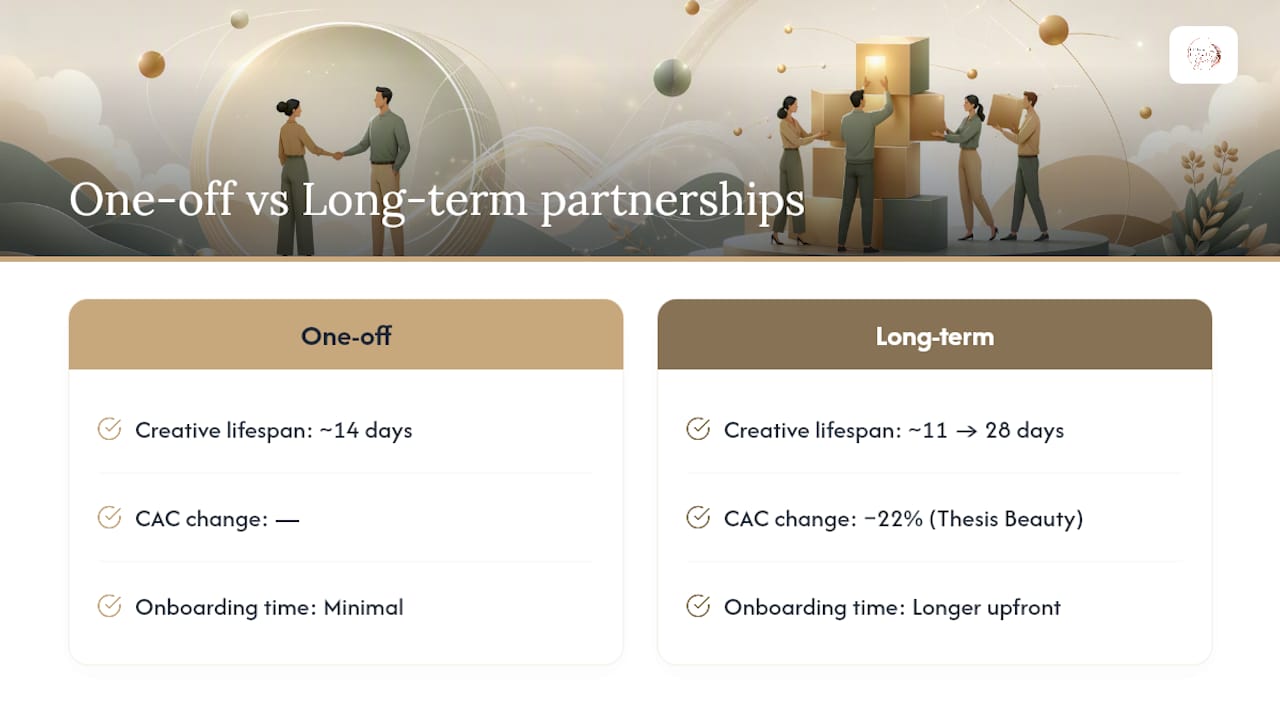
A single sponsored post has a short shelf life. Most creative burns out within about two weeks of heavy rotation before audiences tune it out. Brands that shift toward retainer-style relationships with a smaller group of trusted partners see that lifespan stretch considerably. Thesis Beauty's move to a "narrative partner" model extended creative lifespan from roughly 11 to 28 days and cut blended customer acquisition cost by 22%.
The mechanism is straightforward. A one-off collaboration requires the expert to relearn your brand voice, product line, and audience every time you start a new campaign. A long-term partner already knows all three, so their content gets sharper and more efficient with each round instead of starting from zero.
Long-term partnerships also build a kind of social proof one-off deals can't replicate: an audience watching the same trusted expert use and recommend your product month after month reads very differently than a single sponsored mention. That repetition is what turns a follower into a customer, and a customer into someone who tells their friends.
The tradeoff is upfront investment. Onboarding a narrative partner properly, giving them product access, briefing them on your brand story, and building a real relationship, takes more time than booking a single post. Brands that skip this step and expect long-term results from a one-time transaction usually end up disappointed with the return.
What Risks Come With Expert Brand Partnerships?
The biggest risk isn't a bad post. It's a mismatched expert whose values or claims don't hold up under scrutiny, which reflects directly on your brand.
Health and wellness categories carry particular exposure. A partnership that pushes an expert to make claims beyond what their clinical judgment supports can damage both the expert's credibility and your brand's reputation if the claim gets challenged publicly. Contracts should explicitly let credentialed partners decline or revise language that conflicts with their professional standards.
Over-scripting is a subtler risk. Practitioners who lose editorial independence tend to produce content audiences trust less, which quietly undermines the entire reason you hired a credentialed expert in the first place.
Vetting matters more than it gets credit for. Check an expert's past partnerships, public statements, and audience sentiment before signing anything. A credential alone doesn't guarantee alignment with your brand's values or claims.
Have a plan for what happens if a partnership goes wrong: a clear process for pausing content, addressing public concerns, and communicating with your audience. Brands that improvise a response in the moment tend to make things worse. Brands with a plan already in place tend to weather it quietly.
What Should Brands Budget for Expert Collaborations?
Budget conversations usually start with the wrong question, "what does an influencer cost," instead of "what does this partnership need to succeed."
Fees vary widely by credential and format. A licensed clinician commanding a premium rate multiplier will cost more upfront than a general lifestyle creator, but often converts better in health-adjacent categories, which changes the real cost-per-acquisition math. Factor in usage rights separately from the base fee. Paid amplification rights, extended licensing windows, and multichannel reuse all add cost, but they also multiply what you get from a single shoot.
Resource planning matters as much as dollars. Someone on your team needs to manage briefing, approvals, and compliance review, especially for health and wellness claims. Brands that treat this as a side task for whoever has time tend to see slower turnaround and messier approvals than brands that assign it clearly.
Onboarding takes real time too. A proper ramp-up period, briefing an expert on your product, audience, and brand story, typically runs a few weeks for a retainer-style partnership. That investment is what separates content that feels coherent from content that feels like ten disconnected posts wearing the same logo.
What Do Successful Expert Collaborations Look Like?
The clearest pattern in successful partnerships is that the expert was involved before the campaign existed, not brought in to promote something already finished.
Thayer's built one of its most talked-about launches this way. Creators who already used and loved the brand helped ideate a new product, visited the lab during development, and co-hosted the launch event. The result was strong community reception, because the audience watched people they already trusted shape something real, rather than pitch something handed to them.
Kopari Beauty took a similar approach by investing in creator relationships built for repurposing content across paid, organic, and email channels rather than treating each partnership as a single transaction. That planning turned individual shoots into a library of assets that kept working long after the original post stopped appearing in feeds.
Thesis Beauty's shift toward retainer-based "narrative partners" shows the same principle from a different angle: fewer partners, deeper relationships, and a measurable lift in both creative lifespan and acquisition cost. None of these examples started with a large media buy. They started with finding the right person and giving them room to do real work.
Why the Best Collaborations Start Before the Contract Does
The conventional advice on expert partnerships treats them like a media placement: pick an audience size, negotiate a fee, brief the deliverables, ship the content. That framework misses what actually drives results.
The strongest partnerships I've seen described in the data start with an expert who already had a relationship with the brand, organically, before money changed hands. Thayer's didn't discover creators through a media kit. It found people already using the product and let them help build what came next. That sequencing matters more than budget size.
Most brands overinvest in reach and underinvest in independence. A credentialed expert stripped of editorial freedom produces content that performs like an ad, because audiences can tell. The brands getting real earned media and repeat engagement are the ones willing to hand over some control.
If you take one thing from this: prioritize finding the right person over finding the biggest audience. Reach is rentable. Trust isn't.
Ready to Start Collaborating With Trusted Experts?
Skip the cold outreach and the guessing game of finding credentialed partners on your own. Theultimatebeauty-you is built specifically to connect beauty, wellness, and lifestyle brands with vetted experts, RDs, coaches, dermatologists, and practitioners, who already have the trust of an engaged female audience.
Through the platform, brands can browse expert listings, set up sponsored partnerships, or co-host educational events without spending weeks vetting credentials and audience fit from scratch. Whether you're launching a co-created product or simply need a credible voice for your next campaign, the matching happens faster because the community is already built around this exact purpose.
Visit Experts & Partners to see who's available, or head to Contact/Join to start the conversation about your next collaboration.
Frequently Asked Questions
What are the main benefits of expert brand collaborations? The core benefits are borrowed credibility, access to a more qualified audience, higher conversion, reusable content assets, and earned media coverage that paid placements rarely generate on their own.
How do expert collaborations differ from typical influencer partnerships? Expert collaborations center on credentialed authority, RDs, dermatologists, licensed coaches, rather than follower count alone, which tends to produce stronger trust and conversion in health-adjacent categories.
How much should a brand budget for an expert collaboration? Costs vary by credential and format, with clinicians commanding a premium multiplier over general creators. Budget separately for usage rights, onboarding time, and compliance review, not just the base fee.
How long does it take to see results from an expert collaboration? Immediate engagement metrics show up within 30 to 60 days, but conversion and community outcomes tied to trust often take several months to fully materialize.
What compliance steps matter most for health and wellness collaborations? Disclosure requirements, pre-approved claim language, and a clause letting credentialed experts modify or decline claims that conflict with their professional judgment are the essentials.
Sources
- How Wellness Brands Can Partner With Registered Dietitians - The RD Link
- How Thesis Beauty Cracked the UGC Creative Fatigue Problem at Scale – D2C Times
- 5WPR coverage on brand collaborations in beauty/wellness
- Inside Thayer's TikToker-led product development strategy