
Yes, gut health affects skin for many people, and the science is building a real case for it. Inflammatory conditions like acne, eczema, and rosacea often trace back to what's happening in your digestive system. The good news: simple, low-risk steps like eating more fiber, managing stress, and getting consistent sleep can support both, while probiotics are best chosen with a clinician's guidance, especially if you have a medical skin condition.
TL;DR:
- Gut health influences skin inflammation through increased permeability, bacterial metabolites, and stress-related pathways, affecting conditions like eczema and acne.
- Evidence is strongest for probiotics improving eczema, with about two-thirds of trials showing benefit, while research on other skin issues remains inconsistent.
- Supporting gut health with fiber, fermented foods, stress management, and sleep can help prevent flare-ups, but more targeted treatments are needed for complex conditions.
- Professional guidance is essential before starting probiotics or managing any skin condition, especially for those with immune compromise or severe illness.
- Lifestyle habits like a balanced diet, consistent sleep, and stress reduction offer a practical, low-risk approach to support the gut-skin axis rather than relying on quick fixes.
Table of Contents
- What Is the Gut Skin Axis and How Does It Work?
- Which Skin Conditions Are Linked to Gut Health?
- What Do the Clinical Trials Actually Show?
- How Can You Support Your Skin Through Gut-Friendly Habits?
- Nightly Rituals That Support Both Gut and Skin
- A Balanced View on Gut Health and Skin
- Your Next Step With the Ultimate Beauty - You!
- Sources
- FAQ
What Is the Gut Skin Axis and How Does It Work?
Your gut and your skin are in constant conversation. Researchers call this the gut skin axis: a two-way communication system between the trillions of microbes living in your digestive tract and the health of your largest organ, your skin.
Here's the short version of how it works. Your gut bacteria produce compounds, including short-chain fatty acids (SCFAs), that help regulate inflammation throughout your body. When your gut lining becomes more permeable, a state sometimes called "leaky gut," bacterial byproducts like lipopolysaccharides (LPS) can slip into your bloodstream and trigger immune responses that show up as skin inflammation. Add chronic stress to the mix, and your hypothalamic-pituitary-adrenal (HPA) axis joins the conversation too, linking your emotional state to both gut permeability and flare-ups on your skin.
This relationship is described in detail by a mechanistic review outlining how microbial metabolites, cytokine signaling, and HPA axis activity mediate the connection between stress, gut dysbiosis, and inflamed skin.
The conversation runs both ways. Evidence from animal studies shows that skin injury itself can alter gut gene expression and microbiome composition, suggesting your skin talks back to your gut just as much as your gut talks to your skin. The main players worth remembering:
- SCFAs support your gut lining and help calm systemic inflammation.
- Increased gut permeability lets inflammatory triggers reach your bloodstream.
- The HPA stress axis links your emotional state to both organs.
- Skin wounding can change your gut's microbial makeup, not just the other way around.
Which Skin Conditions Are Linked to Gut Health?
Not every skin issue has the same gut connection, and the strength of the evidence varies by condition.
- Acne: Several studies connect gut dysbiosis and increased intestinal permeability to acne severity, though the picture remains incomplete.
- Atopic dermatitis (eczema): This has the most robust evidence. A systematic review of 60 randomized controlled trials found that probiotic, prebiotic, or synbiotic interventions reduced eczema severity scores in 30 of 47 trials that measured it.
- Psoriasis: Some trials show promise with microbiome-targeted approaches, but results are mixed and less consistent than for eczema.
- Rosacea: This condition shows notable overlap with gastrointestinal issues, including small intestinal bacterial overgrowth (SIBO), and some patients with inflammatory bowel disease report higher rates of rosacea.
The practical takeaway: if you have eczema, gut-focused strategies have the strongest backing. If you have acne, psoriasis, or rosacea, the connection is real but the research is still catching up, so treat gut care as a complement to dermatologic treatment, not a replacement.
What Do the Clinical Trials Actually Show?
The research is encouraging but far from settled. The same systematic review of 60 RCTs found meaningful benefit in many eczema trials, yet results across other skin conditions, including psoriasis, acne, chronic urticaria, and melasma, were far less consistent.
Heterogeneity in study design, probiotic strains, dosing, and small sample sizes make it difficult to draw firm conclusions across skin conditions beyond atopic dermatitis.
A 2025 systematic review of 60 randomized controlled trials found clinically meaningful improvement in atopic dermatitis severity in the majority of trials that tracked it, while effects on other inflammatory skin conditions were inconsistent.
Why the inconsistency? Trials use different probiotic strains, different doses, and different patient populations, which makes it hard to compare results directly. Many studies are also small, which limits how confidently we can generalize their findings.
Safety matters here too. The National Center for Complementary and Integrative Health notes that while probiotics are generally safe for most people, they can carry added risk for those with severe illness or compromised immune systems, which is why professional guidance matters before starting any regimen tied to a medical skin condition.
How Can You Support Your Skin Through Gut-Friendly Habits?
You don't need a complicated protocol to start supporting the gut skin connection. A few consistent habits go further than any single supplement.
- Eat more fiber and plants. Whole grains, legumes, vegetables, and polyphenol-rich foods like berries and green tea feed the bacteria that produce gut-protective SCFAs.
- Cut back on added sugar and ultra-processed foods. These tend to favor less favorable gut bacteria and can worsen systemic inflammation.
- Add fermented foods as a low-risk first step. Yogurt, kefir, sauerkraut, and kimchi introduce beneficial microbes without the variability of a supplement bottle.
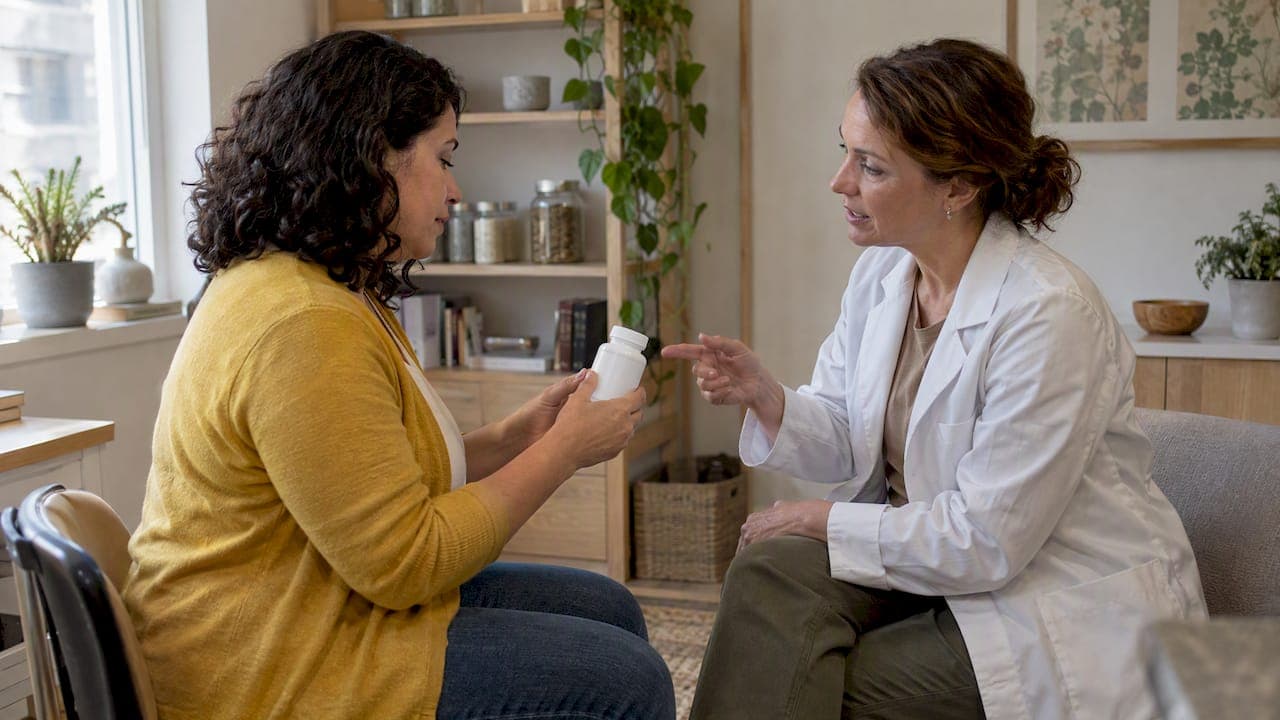
- Talk to a clinician before starting probiotic supplements, especially if you have a diagnosed skin condition or a compromised immune system.
- Protect your sleep schedule. Consistent, sufficient sleep helps regulate the HPA axis that links stress to both gut and skin inflammation.
- Manage stress through mindfulness or a referral to cognitive behavioral therapy (CBT) if stress feels chronic or unmanageable.
- Avoid unnecessary antibiotics, which can disrupt your gut microbiome's balance for months.
If you've made these changes and still struggle with persistent acne, eczema, or rosacea, it's worth seeing a dermatologist and, in some cases, a gastroenterologist. They may discuss SIBO testing, targeted probiotic strains backed by research for your specific condition, or prescription therapy.
Pro Tip: Choose a probiotic with a clearly labeled, researched strain rather than a generic blend, and loop in your clinician if you're managing a diagnosed skin condition.

Nightly Rituals That Support Both Gut and Skin
Beauty is becoming, and what you do before bed matters more than you might think. A calming nightly ritual lowers stress, and lower stress means a calmer HPA axis, which supports both your gut lining and your skin barrier.
Consider building a simple routine:
- Keep a consistent sleep and wake time, even on weekends.
- Wind down with a calming ritual: dim lights, a few minutes of breathing, or gentle stretching.
- Cleanse with a gentle, non-stripping cleanser rather than anything harsh.
- Follow with an emollient to help your skin barrier repair overnight.
For a deeper dive into these practices, explore our guide to mindful beauty and intentional self-care or learn more about the role of meditation in beauty rest.
A Balanced View on Gut Health and Skin
The science here is real, but it's not a miracle cure. Gut-focused habits are a sensible, low-risk place to start, especially for eczema, where the evidence is strongest. For other conditions, think of these steps as support, not substitution, for the care a dermatologist provides. Small, sustainable changes, tracked honestly against how your skin responds, beat any dramatic overhaul. Beauty is a process of becoming, and so is healing from the inside out.
— Ava
Your Next Step With the Ultimate Beauty - You!
Gut-skin habits work best when they're part of a bigger, sustainable rhythm, not a one-off fix. A platform brings together trusted experts, resources, and a community built around the inside-out, head-to-toe philosophy, so you're never piecing together advice alone.

A platform connects you with wellness and beauty guidance that complements the steps in this guide, from stress-care routines to expert-reviewed resources on skin and self-care. Explore The Ultimate Beauty - You! today and start building habits that support you at every age and stage.
Sources
- Probiotics: Usefulness and safety — NCCIH
- The brain–gut–skin axis in inflammatory and disfiguring skin diseases: mechanistic insights, clinical correlations, and therapeutic strategies
This article is general information, not a substitute for advice from a qualified doctor. Consult a qualified healthcare professional about your own circumstances before acting on anything here.
FAQ
Can gut issues cause skin problems?
Yes, gut issues can contribute to skin problems for many people, particularly inflammatory conditions like eczema. Increased gut permeability and microbial imbalance can trigger systemic inflammation that shows up as flare-ups on your skin, though the strength of evidence varies by condition.
What are the signs of an unhealthy gut?
Common signs include irregular digestion, bloating, fatigue, food sensitivities, and sometimes skin flare-ups tied to inflammation. There's no single definitive checklist, and these signs vary from person to person, so persistent symptoms are worth discussing with a clinician rather than self-diagnosing.
How do you reset your skin microbiome?
There's no quick reset, but gentle, consistent habits help: avoid harsh cleansers, limit unnecessary antibiotics, and consider gut-supportive foods like fermented products and fiber. Emerging topical microbiome and postbiotic treatments show promise but are not yet standard dermatologic care.
How do I heal my gut to heal my skin?
Start with fiber-rich, whole-food meals, fermented foods, consistent sleep, and stress management, since all four support the gut-skin axis through mechanisms like SCFA production and HPA axis regulation. For diagnosed skin conditions, pair these habits with guidance from a dermatologist or gastroenterologist rather than relying on diet alone.
Are probiotics safe for skin health?
Probiotics are generally considered safe for most people, according to NCCIH guidance, but they can carry added risk for those with severe illness or weakened immune systems. Anyone managing a medical skin condition should choose a researched strain and check with a clinician before starting.