

Exfoliation improves your skin by clearing away the buildup of dead cells sitting on the surface, which is the direct cause of dullness, rough texture, and clogged pores. Once that layer lifts, your complexion looks brighter almost immediately, and everything you put on afterward works harder.
Here's what's actually happening beneath the surface:
- Dead cell removal clears the dull, flaky layer that makes skin look tired
- Pore unclogging reduces the debris that leads to breakouts and blackheads
- Texture and tone improve as the surface becomes smoother and more even
- Product absorption increases, so your moisturizer and serums actually penetrate
- Gentle, repeated exfoliation can support collagen signaling over time, according to Healthline
The American Academy of Dermatology confirms this is the mechanism behind visible results, whether you're reaching for alpha hydroxy acids (AHA), salicylic acid (a beta hydroxy acid, or BHA), or a washcloth.
Key Takeaways
Exfoliation improves skin because it removes accumulated dead cells, which directly clears pores, smooths texture, and lets active ingredients absorb more effectively.
| Point | Details |
|---|---|
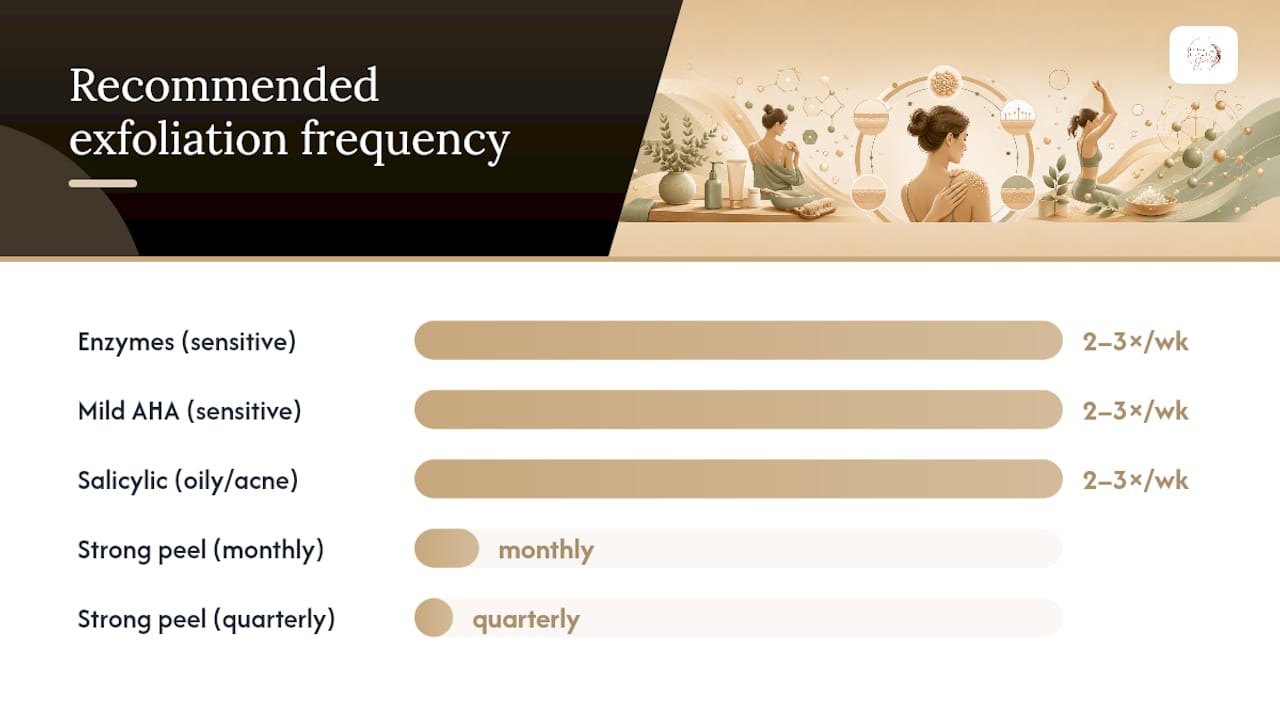
| Match method to skin type | Use enzymes or mild AHA for sensitive skin, salicylic acid for oily or acne-prone skin. |
| Frequency scales with strength | Gentle exfoliants suit 2 to 3 times weekly; strong peels belong monthly or quarterly. |
| Results build over time | Expect instant glow, but 4 to 12 weeks for pigment or texture changes to show. |
| Sunscreen is non-negotiable | Always follow exfoliation with moisturizer and daily broad-spectrum sun protection. |
| Watch for over-exfoliation | Redness, tightness, or persistent dryness mean it's time to pull back. |
Ready to build a routine that actually fits your skin instead of guessing? Explore expert-guided beauty plans and curated product picks at The Ultimate Beauty - You!, or connect with a vetted skincare professional through our Experts & Partners network.
Table of Contents
- How Does Exfoliation Change Your Skin at a Cellular Level?
- What Are the Main Types of Exfoliation?
- Which Exfoliation Method Fits Your Skin Type?
- How Often Should You Exfoliate for the Best Results?
- What Are the Risks of Over-Exfoliating?
- What Do Dermatologists Actually Recommend?
- Frequently Asked Questions
- Sources
How Does Exfoliation Change Your Skin at a Cellular Level?
Your outer skin layer, called the stratum corneum, is made of corneocytes: flattened, dead skin cells that naturally shed over roughly a month. When that shedding slows down, which happens more as you age or when skin is dehydrated, those cells pile up instead of falling away. The result is the dull, sometimes flaky look you might blame on "bad skin days."
That buildup isn't just cosmetic. It physically blocks light from reflecting evenly off your skin, which is why a smoother surface reads as glow rather than shine. Think of it like the difference between frosted glass and a clean window. Removing the top layer of dead cells lets light bounce back more uniformly, and that's the optical trick behind every "glowing skin" claim in the exfoliation aisle.
Pores work on a similar logic. Dead cells mix with sebum and can settle into hair follicles, forming micro-comedones long before you see a visible blackhead or breakout. Clearing that debris regularly keeps pores from getting stuck in that clogged state.
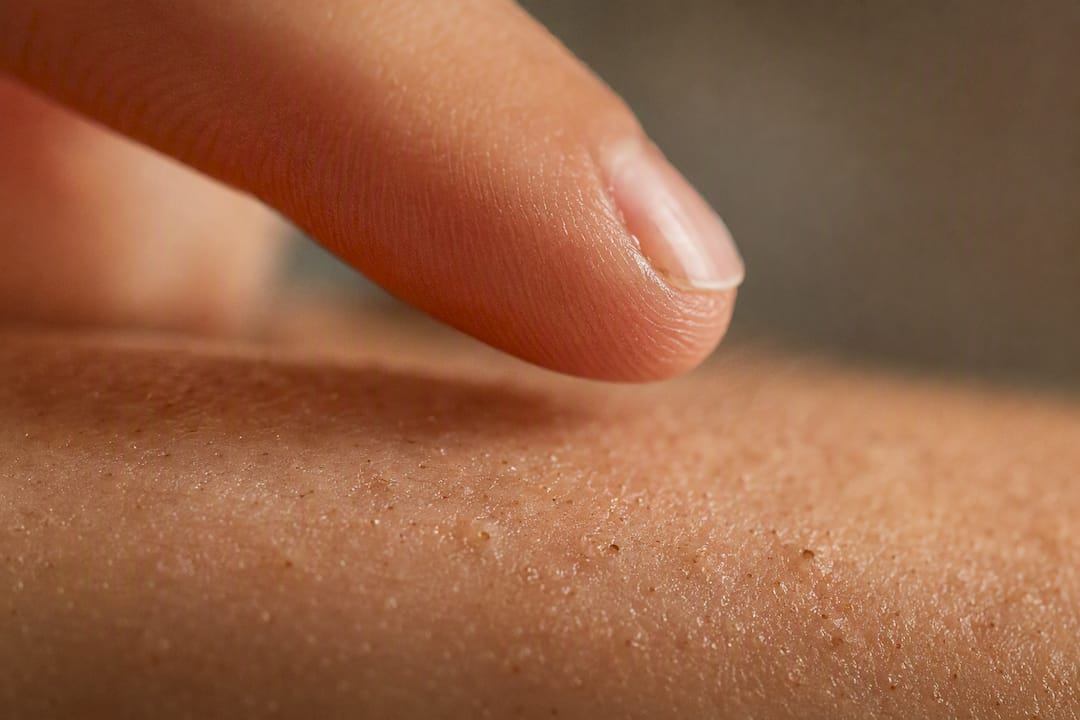
There's also a delivery problem exfoliation solves. A thick layer of dead cells acts like a wall between your moisturizer and the living skin underneath. Once you remove it, active ingredients penetrate more effectively, which is part of why dermatologists often recommend exfoliating before applying serums, not after.
Finally, appropriate and repeated exfoliation sends a mild signal to your skin to ramp up renewal. Harvard Health notes chemical exfoliants dissolve excess cells at a micro level while mechanical methods physically remove them, but experts are clear this isn't a wrinkle cure. It's a texture and tone tool first, with collagen benefits as a slower, secondary effect.
Pro Tip: More friction doesn't mean more results. Aggressive scrubbing strips the barrier before it clears anything useful, which is why gentler, consistent exfoliation almost always outperforms a harsh weekly scrub-down.
What Are the Main Types of Exfoliation?
Not every method works the same way, and matching the mechanism to your goal matters more than picking whatever's trending.
- Mechanical exfoliation (scrubs, brushes, microdermabrasion) physically buffs away dead cells for instant smoothness, but it's the easiest method to overdo.
- AHAs like glycolic acid and lactic acid dissolve the bonds between dead cells, making them ideal for surface texture and discoloration.
- BHA (salicylic acid) is oil-soluble, so it penetrates into pores, which makes it a go-to for oil-prone and acne-prone skin.
- Enzymatic exfoliants such as papain and bromelain break down dead cells more gently, a solid entry point for sensitive skin.
- Retinoids and retinol work differently: they speed up cell turnover from within rather than dissolving or scrubbing the surface, and they carry their own sensitivity curve.
- Professional chemical peels use higher concentrations under clinical supervision, and peer-reviewed research shows controlled peeling can meaningfully improve fine lines, discoloration, and texture when performed appropriately.
The FDA's guidance on beta hydroxy acids is worth a look if you're comparing salicylic acid concentrations across products, since strength varies more than labels sometimes suggest.
Which Exfoliation Method Fits Your Skin Type?
- Dry skin: favor enzymatic exfoliants or mild lactic acid, once or twice weekly; skip gritty scrubs that create micro-tears.
- Oily or acne-prone skin: salicylic acid is usually the better match since it cuts through sebum inside the pore.
- Sensitive skin: start with enzymes or a low-percentage AHA; patch test before committing to a routine.
- Darker skin tones: aggressive mechanical exfoliation carries a higher risk of post-inflammatory hyperpigmentation, so gentler chemical options are usually safer.
- Aging skin: retinoids paired with occasional AHA use address turnover and texture together, but not on the same night.
If you're already using retinoids or benzoyl peroxide, layering in a strong acid without easing in often backfires. See a board-certified dermatologist if you're dealing with persistent acne, active dermatitis, or a history of pigmentation issues before adding anything new.
How Often Should You Exfoliate for the Best Results?
The rule of thumb: the stronger the method, the less often you need it.
- Enzymatic exfoliants or a soft washcloth: 2 to 3 times per week
- Mild AHA or BHA products: 1 to 3 times per week, depending on skin tolerance
- Microdermabrasion or stronger peels: monthly to quarterly, often through a professional
Texture and glow show up almost immediately, sometimes within a single use. Pigment evening and any collagen-related firmness take longer, typically 4 to 12 weeks of consistent use to notice. If skin turns red, tight, or persistently dry, that's your cue to pull back, not push through.
What Are the Risks of Over-Exfoliating?
Push too hard and skin fights back. The most common issues are irritant contact dermatitis, heightened sun sensitivity, uneven pigmentation, and flare-ups of existing inflammatory acne.
A few habits keep you on the safe side of that line:
- Patch test any new exfoliating product before applying it to your whole face.
- Never exfoliate broken, sunburned, or actively irritated skin.
- Avoid stacking a strong acid and a retinoid in the same routine unless a dermatologist has walked you through it.
- Moisturize right after exfoliating, and wear broad-spectrum sunscreen the next day, without exception.
If your skin feels tight or looks flushed after a session, rinse with lukewarm water and reach for a soothing, fragrance-free moisturizer rather than another active product. The AAD's guidance on moisturizing is a useful next stop if you're rebuilding a barrier that's been overworked.
Pro Tip: When introducing a new exfoliant, add it to your routine alone for two weeks before layering in anything else. That isolation makes it obvious what's helping and what's irritating.
What Do Dermatologists Actually Recommend?
"Exfoliation improves luster and clears pores, but it will not erase wrinkles. It's a texture and tone tool, not a rewind button." That's the core caution dermatologists like Dr. Rachel Reynolds at Harvard raise when patients expect too much from a scrub or acid.
The evidence backs a measured view:
- The AAD confirms exfoliation reduces dullness and clogged pores and improves how well other products absorb.
- Peer-reviewed research shows professional peels can meaningfully improve fine lines and discoloration under proper conditions.
- Results are real, but they depend entirely on matching method and frequency to your specific skin.
A practical note from Ava
Match the method to your skin, stay gentle, and never skip sunscreen after exfoliating. If something feels off or your skin is complicated, a board-certified dermatologist is worth the visit.
Frequently Asked Questions
Does exfoliation actually improve your complexion, or is it mostly hype? It's backed by real mechanisms. Removing dead cells smooths the surface, unclogs pores, and improves how skin reflects light, all of which read as a clearer, brighter complexion.
Can exfoliating too often damage your skin? Yes. Over-exfoliating strips the skin barrier, leading to irritation, sun sensitivity, and in some cases lasting pigment changes, especially with mechanical methods used too aggressively.
Is chemical exfoliation better than physical scrubs? Neither is universally better. Chemical exfoliants like AHAs and BHAs tend to be gentler and more precise, while physical methods deliver faster surface results but carry a higher irritation risk.
How long until exfoliation shows visible results? Texture and glow often improve immediately. Deeper changes, like more even pigment or subtle firmness, generally take 4 to 12 weeks of consistent, appropriate use.
Should I exfoliate if I have sensitive or darker skin? Yes, but choose gentler options like enzymes or low-percentage AHAs, and avoid harsh mechanical scrubs, which raise the risk of irritation and post-inflammatory hyperpigmentation in darker skin tones.
This article is general information, not a substitute for advice from a qualified doctor. Consult a qualified healthcare professional about your own circumstances before acting on anything here.
Sources
- How to safely exfoliate at home — American Academy of Dermatology
- Have you exfoliated lately? — Harvard Health Blog
- Meaning of exfoliating — Healthline
- Peer-reviewed review on chemical peels — PMC (NCBI)
- Beta hydroxy acids — U.S. Food & Drug Administration