
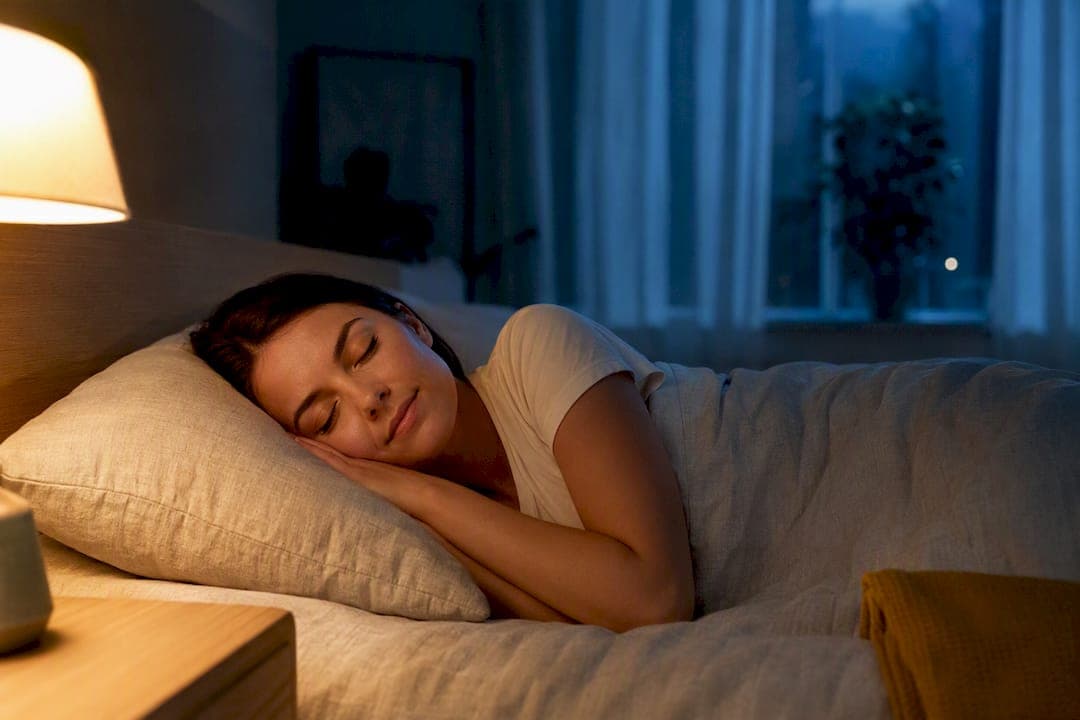
Yes, sleep and skin are directly connected. Consistent, restorative sleep helps your skin stay hydrated, repair collagen, and look less tired, while chronic short sleep shows up as puffiness, dullness, and slower healing. It works alongside sunscreen and a solid skincare routine, not instead of them. Prioritize sleep as one of your highest-impact beauty habits, right next to SPF and a clean nighttime routine.
TL;DR:
- Consistent, restorative sleep is crucial for collagen production and skin barrier repair, with deep sleep stages releasing growth hormone and lowering cortisol levels.
- Poor sleep results in increased water loss, slower skin barrier recovery, and early signs of aging such as fine lines and loss of elasticity.
- Short-term sleep deprivation causes visible puffiness, dull skin, and dark circles, which can be temporarily alleviated with cold compresses and gentle skincare.
- Most adults need at least seven hours of quality sleep per night, with fragmented sleep reducing the skin’s ability to fully repair and regenerate.
- Sleep habits should be complemented with a stable routine, a dark and cool bedroom, and avoiding late meals or caffeine to maximize skin benefits.
Table of Contents
- How Sleep Affects Skin: Hormones, Repair, and the Barrier
- Visible Signs of Poor Sleep: Temporary vs. Lasting
- How Much Sleep Actually Moves the Needle
- Nighttime Habits That Protect Your Skin and Your Sleep
- Why Trust This Guidance
- Sleep Is Foundational, Not a Miracle Fix
- Build a Routine That Actually Supports Your Skin
- Sources
- FAQ
How Sleep Affects Skin: Hormones, Repair, and the Barrier
Your skin does its heaviest lifting while you're unconscious. During slow-wave sleep, your body releases growth hormone, and that hormone drives the collagen production that keeps skin firm and springy. Skip that stage repeatedly, and you're skipping the repair window your face depends on, according to a sleep medicine expert who studies exactly this overlap between rest and appearance.
Cortisol plays the other half of this story. Levels naturally drop during deep, restorative sleep, giving your skin a break from a hormone that, at chronically elevated levels, breaks down collagen and fuels inflammation. Sleep medicine experts define chronic short sleep, sometimes called insufficient sleep syndrome, as a pattern clinically linked to disrupted collagen production and weakened skin barriers.
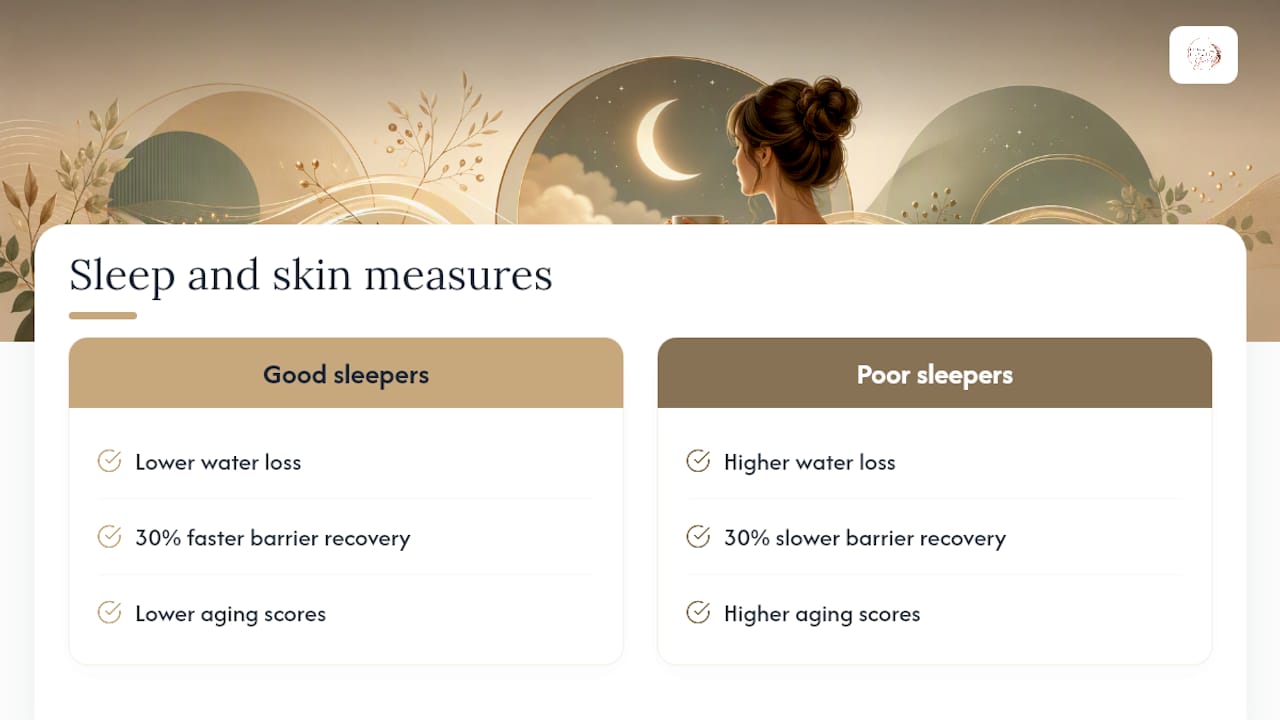
Your skin barrier runs on the same clock. It loses water through the day and rebuilds itself overnight, a process measured by transepidermal water loss (TEWL). Poor sleepers show measurably worse results here:
- Higher TEWL, meaning the skin holds onto less moisture overall
- Slower barrier recovery after damage
- Elevated markers tied to visible skin aging
A clinical comparison of good and poor sleepers found that good sleepers had significantly greater barrier recovery at 72 hours after standardized skin damage, along with lower intrinsic aging scores, according to a study on sleep quality and skin aging. That's not a subtle gap. It's the difference between skin that bounces back and skin that stays compromised for days.
Visible Signs of Poor Sleep: Temporary vs. Lasting
One rough night shows up fast. Fluid pools under your eyes overnight, creating puffiness, while reduced blood flow leaves skin looking paler and less lit from within. Dilated blood vessels beneath thin under-eye skin can darken further when you're tired, and dry, red eyes tend to follow along. Observers notice, too. In perception research, people consistently rated sleep-deprived faces as less healthy, less attractive, and more fatigued, citing paler skin, drooping eyelids, and downturned mouth corners as the giveaway cues.
What builds up over months is different. Chronic short sleep is tied to:
- Reduced skin elasticity, even after just a few nights of severe restriction in small experimental studies
- More noticeable fine lines as elastic recovery slows
- Slower healing from sun damage, breakouts, or irritation
Alcohol, skipped cleansing routines, and heavy late-night eating all amplify these effects, dehydrating skin further or triggering inflammation right when your body should be repairing it.
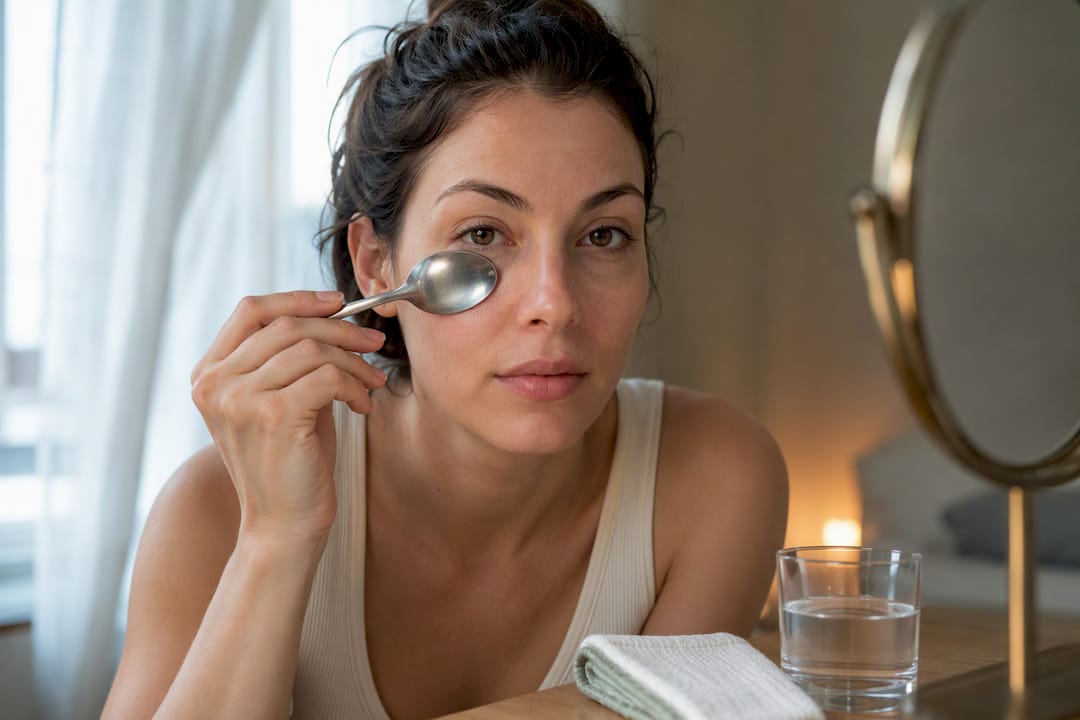
Pro Tip: If you wake up with visible puffiness, don't rub. Press a cold spoon or chilled jade roller under your eyes for sixty seconds. The cold constricts blood vessels fast, which does more than any concealer trick.
How Much Sleep Actually Moves the Needle
Most adults need at least seven hours a night for skin repair processes to run their full course, a threshold consistent with general sleep medicine guidance. Falling short of that regularly is what clinicians call insufficient sleep syndrome, and it's the chronic pattern, not one bad week, that does lasting damage.
The clearest evidence comes from a controlled comparison of habitual good and poor sleepers. Poor sleepers didn't just report feeling worse. Their skin measurably performed worse: higher water loss, that 30% slower barrier recovery, and higher clinical aging scores across wrinkles, elasticity, and pigmentation, according to the same skin aging study.
Duration isn't the whole picture, though. Sleep quality, meaning how much time you actually spend in deep and REM stages without waking up repeatedly, matters just as much as hours logged. Someone who gets eight fragmented hours interrupted by a restless partner, a snoring problem, or constant phone checks may get less real repair time than someone who sleeps seven hours straight through. Restorative sleep stages follow their own internal rhythm, and interrupting that rhythm blunts the growth hormone release your skin is waiting on.
Nighttime Habits That Protect Your Skin and Your Sleep
Fixing this doesn't require an overhaul. It requires sequencing a few habits correctly, most nights, and staying patient with the ones that take longer to pay off.
- Keep a consistent sleep and wake time. Your body's repair cycles run on rhythm, not just total hours, so a stable schedule matters even on weekends.
- Cool and darken your room. A dark, cool bedroom supports deeper sleep stages, and this is exactly the environment guidance parenting and sleep specialists recommend for infants applies to adults too.
- Cut caffeine after early afternoon and watch late meals. Heavy or late eating can fragment sleep quality, and research on meal timing links closer eating windows to more consistent rest.
- Remove makeup and cleanse gently before bed. Sleeping in makeup traps debris against skin during exactly the hours it should be repairing.
- Apply a barrier-supporting moisturizer and a targeted eye product. This is when your skin absorbs and uses these ingredients most efficiently.
- Save retinoids and other actives for nights you're actually sleeping well. Active ingredients ask more of your skin's repair systems, so timing them around good sleep gets better results.
For puffiness and dark circles the morning after a rough night, elevate your head slightly while sleeping, use a cold compress, and lean on concealer as a short-term fix rather than a solution. If you notice loud snoring, gasping, or daytime exhaustion despite adequate hours in bed, mention it to a doctor. That combination can point to sleep apnea, a condition that undermines every repair process discussed here. Persistent under-eye darkness deserves a look too, since dark circles have several possible causes beyond sleep, including genetics and allergies, and a clinician can help sort out which one applies to you.
Pro Tip: Build your wind-down routine backward from your target wake time. If you need to be up at 6:30 AM, your skincare and lights-out routine should start by 9:30 PM, giving your body a real shot at hitting seven-plus hours of actual sleep, not just time in bed.
For more on layering these habits by life stage, Theultimatebeauty-you's guide to routines by age breaks down what changes as your skin does.
Why Trust This Guidance
This article draws on sleep medicine commentary and clinical research on skin aging, cited throughout, rather than trends or guesswork. Ava, a contributor at Theultimatebeauty-you focused on beauty rest and meditation, wrote it with an eye toward what's actually backed by evidence versus what sounds good on a label. This platform exists to connect women with vetted experts and grounded advice. Persistent skin changes, sleep disturbances, or symptoms of sleep apnea still deserve a conversation with a dermatologist or sleep specialist.
Sleep Is Foundational, Not a Miracle Fix
Sleep is one of the most reliable levers you have for how your skin looks and functions, but it isn't the whole equation. Genetics, sun exposure, and medical conditions all still matter, and no amount of rest replaces daily SPF or dermatologist care when something looks off. Some wins arrive fast. Puffiness fades in a day. Collagen-related changes take months of consistent sleep to show up. Build the routine, then give it time.
— Ava
Build a Routine That Actually Supports Your Skin
Sleep habits work best paired with a nighttime skincare routine that reinforces what your body is already trying to do while you rest. The platform connects you with vetted experts and curated products so you're not piecing together advice from a dozen conflicting sources.

Whether you need a barrier-repairing night cream, a dermatologist who can evaluate stubborn dark circles, or a meditation practice that actually helps you fall asleep faster, our experts and partners directory points you toward people and brands who know this territory. Explore curated products built around real skin needs, or if stress is what's keeping you up, our guide to meditation and beauty rest is a good next stop. Ready for a more personal recommendation? Reach out and join the community to get matched with the right resource for your skin and your sleep.
Sources
- Does poor sleep quality affect skin ageing?
- Observers’ perception studies on sleep-deprived appearance
- Beauty Sleep: Why rest and relaxation impact appearance
- Dark circles under eyes - Mayo Clinic
FAQ
Does Sleep Give You Better Skin?
Yes. Restorative sleep supports collagen production, barrier repair, and hydration balance, and clinical research links consistent good sleep to lower skin aging scores.
How Does Sleep Affect My Skin?
Sleep triggers growth hormone release and lowers cortisol, both of which support collagen and reduce the inflammation that accelerates visible aging, according to sleep medicine research.
Can Lack of Sleep Give You Bad Skin?
Yes. Short-term sleep loss brings puffiness, dullness, and paler skin, while chronic sleep deprivation is tied to reduced elasticity and slower healing, per Sleep Foundation guidance.
Is 7 Hours of Sleep Good for Skin?
Seven or more hours is the general benchmark most adults need for full restorative sleep cycles to run, giving your skin's repair processes the time they require to work.
How Fast Can Sleep Improve Your Skin's Appearance?
Puffiness and dullness from one bad night often improve within a day or two of better sleep and hydration, but collagen-related changes need consistent good sleep over months to show real improvement.