
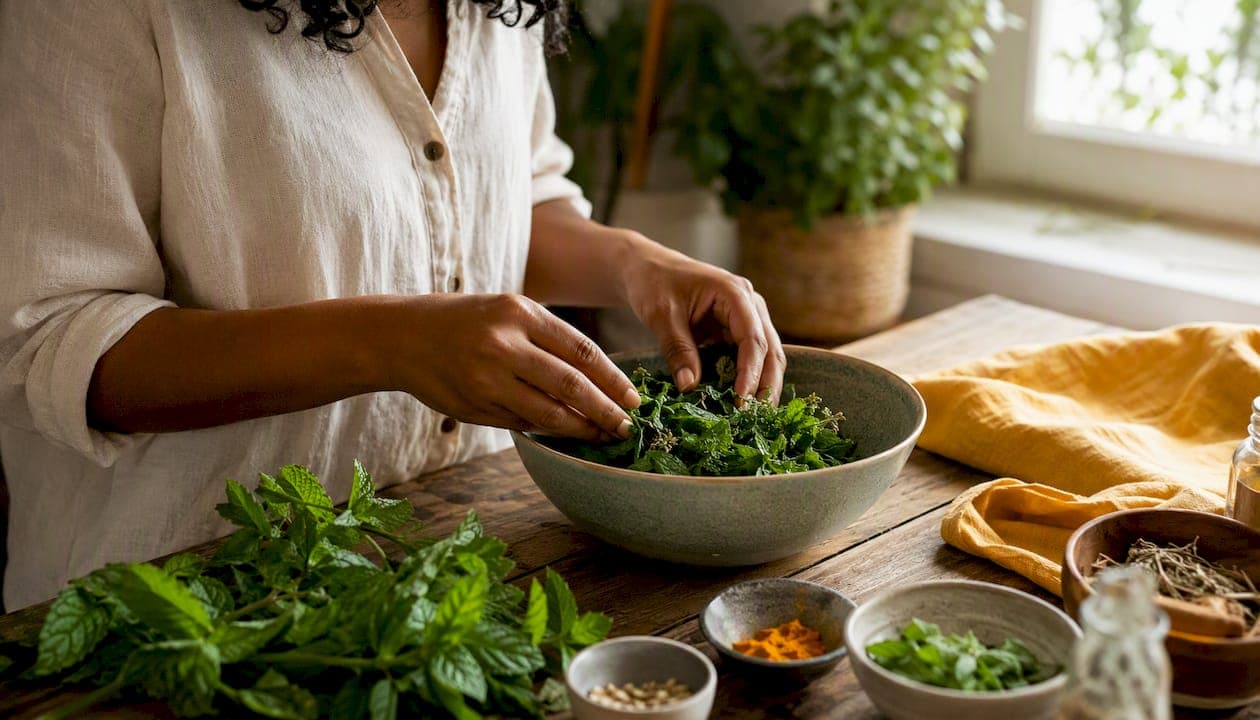
Wellness culture means the commercialized, appearance-focused reinterpretation of health that markets self-discipline, thinness, and expensive products as moral virtues rather than personal choices. It borrows the language of legitimate wellness, the kind the Global Wellness Institute and the World Health Organization describe as a proactive, multi-dimensional pursuit of holistic health, and repackages it into something narrower and more punishing. Anti-diet writers like Christy Harrison have documented how this shift turns wellness into another version of diet culture, one with better branding. This article takes that critique seriously. You'll get a clear definition, an honest look at who benefits and who gets excluded, and practical ways to spot the red flags before they cost you money, time, or peace of mind.
Key Takeaways
Wellness culture moralizes health into a purchasable identity, while genuine wellness remains a flexible, accessible, and evidence-based pursuit available regardless of income.
| Point | Details |
|---|---|
| Definition gap | Wellness is a holistic, individualized pursuit; wellness culture moralizes it into a commercial, appearance-driven standard. |
| Healthism causes real harm | Treating health as a moral virtue fuels shame, disordered eating patterns, and distrust of clinical care. |
| Access is unequal | Cost, time, geography, and disability all shape who can realistically participate in consumer wellness. |
| Evidence beats anecdote | Question testimonial-driven claims and prioritize primary care and low-cost basics like sleep and movement. |
| Theultimatebeauty-you's approach | The platform pairs vetted experts and inclusive resources with mindful beauty guidance, not performative wellness sales. |
Table of Contents
- What Is the Difference Between Wellness and Wellness Culture?
- How Did Wellness Culture Become So Big?
- Can Wellness Culture Actually Cause Harm?
- Who Actually Gets to Participate in Wellness Culture?
- What Are the Red Flags of Harmful Wellness Messaging?
- How Can You Pursue Wellbeing Without the Traps of Wellness Culture?
- What Are the Different Types of Wellness, and What Do They Look Like in Practice?
- Where Can You Find Support If Wellness Culture Has Harmed You?
- Why This Critique Matters for Beauty and Confidence
- How Theultimatebeauty-you Supports Evidence-Informed Wellbeing
- Sources
What Is the Difference Between Wellness and Wellness Culture?
Wellness, as an idea, isn't the problem. The Global Wellness Institute defines it as "the active pursuit of activities, choices and lifestyles that lead to a state of holistic health," covering physical, mental, social, and even environmental dimensions. It's proactive, individualized, and genuinely flexible. There's no single right way to do it.
Wellness culture is different. It's the version of that idea filtered through marketing, influencer content, and a $6.3 trillion global industry, according to the Global Wellness Institute's economic research. Instead of "pursue what supports your health," the message becomes "buy this, avoid that, or you're failing." It moralizes choices that used to be neutral, and it often narrows "health" down to thinness and visible discipline.
A few terms help make sense of the landscape:
- Healthism: treating health status as a moral achievement, implying that illness or weight gain reflects a personal failure.
- Diet culture: the belief system that ranks bodies by size and equates thinness with worth.
- Intuitive eating: an approach that rejects external food rules in favor of internal hunger and fullness cues.
- Alternative or integrative medicine: practices used alongside or instead of conventional care, ranging from well-studied to unproven.
- Cultural appropriation: adopting practices from other traditions (often non-Western) without context, credit, or respect for their origins.
Understanding wellness culture starts with recognizing this gap between the neutral concept and its commercialized cousin.
How Did Wellness Culture Become So Big?
Wellness ideas didn't always come wrapped in marketing copy. The path ran roughly like this:
- Historical roots: practices like yoga, meditation, and herbal medicine existed for centuries within specific cultural and spiritual contexts, long before they became lifestyle products.
- Mainstreaming: by the 1990s and 2000s, wellness merged with the fitness and beauty industries, turning practices into purchasable goods.
- Social media amplification: platforms like Instagram and TikTok gave individual influencers the same reach once reserved for medical institutions, without the same accountability.
That last phase changed everything. Influencer content relies on aestheticized imagery, before-and-after narratives, and testimonials that feel more persuasive than a clinical study, even when they carry no evidence behind them. Marketing copy borrows medical-sounding language (detox, inflammation, hormone balance) to sound credible while sidestepping actual clinical claims.
The result is a information ecosystem where anecdote often outcompetes evidence. Local health officials, including guidance from the City of Bridgeport, have flagged how quickly influencer-driven health claims spread compared to vetted medical information, precisely because personal stories are more emotionally compelling than a peer-reviewed abstract.
Can Wellness Culture Actually Cause Harm?
Yes, and the harm is well documented in anti-diet literature. Wellness culture's core mechanism is healthism: the idea that health is a moral achievement, and by extension, that illness, weight gain, or simply not following the latest protocol reflects a personal failing. This framing ignores social determinants of health entirely, things like income, access to care, genetics, and disability, and instead pins outcomes on willpower.
That moralizing tends to converge directly with diet culture. Equip describes how the movement frequently promotes thinness as a marker of virtue, distrust of conventional medicine, and rigid rules dressed up as self-care. Practices marketed as "clean eating" or "detoxing" often mirror the restriction patterns clinicians associate with disordered eating, just with better lighting.
Wellness culture's redefinition of health often promotes performative behaviors, distrust of conventional medicine, and thinness as a moral virtue rather than the broader, evidence-informed idea of holistic wellbeing that institutions like the Global Wellness Institute originally described.
The paradox clinicians report often: people can hit every clinical marker of good health and still feel like they're failing, simply because they haven't achieved the aesthetic or the routine wellness culture demands. That gap between actual health status and perceived moral adequacy is one of the more corrosive effects of healthism, and it shows up repeatedly in anti-diet counseling work. Population-level data from the CDC continues to track how social and economic conditions shape health outcomes far more than individual habits alone, a point wellness marketing rarely mentions.
Who Actually Gets to Participate in Wellness Culture?
Wellness culture likes to present itself as universal. It isn't. Access runs through money, time, and geography, and the barriers are steep.
- Nutrient-dense "wellness" foods, boutique fitness classes, and functional-medicine consultations routinely cost far more than conventional groceries or basic gym memberships.
- Alternative practitioners are frequently out-of-pocket, with no insurance coverage, which prices out anyone without disposable income.
- Time itself is a resource. Meal prepping, daily workouts, and wellness rituals assume a level of schedule flexibility that shift workers and caregivers often don't have.
- Rural areas and disability status further limit access to specialty providers, studios, or even walkable green space.
Anti-diet advocates at Project HEAL argue that wellness culture functions as a form of social currency, one reserved largely for people who are already financially comfortable. That framing matters because it reveals wellness culture as a class and access issue, not purely a personal one.
Pro Tip: Free or low-cost basics, walking outside, library books on nutrition, community mental health clinics, sleep hygiene, deliver most of the same benefit as premium wellness products, without the price tag or the guilt trip.

What Are the Red Flags of Harmful Wellness Messaging?
Some claims are easy to spot once you know what to look for. Watch for:
- Miracle-cure language ("this one thing fixes everything")
- Anecdote presented as proof, with no clinical citation in sight
- Entire food groups demonized as "toxic" or "inflammatory"
- Vague or missing medical disclaimers on supplement or treatment claims
- High price points marketed as a sign of exclusivity or superior quality
- Language that moralizes food or body choices ("clean," "guilt-free," "earn it")
- Testimonials used instead of studies
- Urgency tactics pushing immediate purchase before you can research it
Before trusting a bold wellness claim, run it through three quick questions: Is there real evidence behind this? Who profits if I believe it? And what will this actually cost me, in money, time, or peace of mind? Skepticism doesn't mean cynicism. It means giving claims the same scrutiny you'd give any other purchase decision.
How Can You Pursue Wellbeing Without the Traps of Wellness Culture?
Evidence-first thinking should come before trend-following. That means starting with primary care providers and licensed clinicians for actual medical concerns, not influencer protocols, and looking to population-health frameworks like Healthy People for context on what genuinely moves the needle on health outcomes.
A grounded, low-cost approach usually looks something like this:
- Check whether a claim has real clinical backing before adopting it.
- Prioritize sleep, movement, and social connection first. These are the highest-return, lowest-cost basics.
- Schedule regular check-ins with a primary care provider rather than self-diagnosing from social media.
- Be wary of any product promising fast, dramatic, or universal results.
- Set a realistic budget, in both time and money, for wellness practices, and stop when it exceeds what you can sustain.
- Ask who benefits financially before trusting a recommendation.
- Treat "detox" and cleanse marketing with particular suspicion; the body already does this work.
- Revisit your routine periodically and drop what isn't adding real value.
It's worth distinguishing consumer wellness culture from workplace or systemic wellness efforts. A company offering a meditation app but ignoring unsustainable workloads is treating symptoms, not causes. Real systemic wellness looks like policy change: manageable hours, supportive leadership, and structural flexibility, not another app subscription. Researchers studying health versus wellness versus wellbeing make this same distinction: individual habits matter, but systems shape whether those habits are even possible to sustain.
Pro Tip: When a provider or product recommends a treatment, ask directly: "What's the evidence this works, and where can I read the study?" A credible source will have an answer. A marketing claim usually won't.
What Are the Different Types of Wellness, and What Do They Look Like in Practice?
SAMHSA's framework breaks wellness into eight recognized dimensions, and most of them cost nothing to practice.
- Physical: a 20-minute walk, consistent sleep, or stretching, not necessarily a $200 wellness retreat.
- Mental and emotional: journaling, therapy when accessible, or simply naming your stress out loud to someone you trust.
- Social: regular contact with friends or family, community groups, or shared meals.
- Occupational: setting boundaries around work hours rather than a company-issued mindfulness app.
- Intellectual: reading, a library card, or a free online course.
- Environmental: time outdoors, decluttering a single shared space, or opening a window.
- Spiritual: meditation, prayer, or quiet reflection, in whatever form fits your beliefs.
- Financial: a basic budget or an honest look at recurring subscriptions, including wellness ones.
Detoxes, teas, and pricey supplements often co-opt this framework while adding cost without added benefit. The accessible version usually works just as well, and it respects that resources and abilities differ from person to person.
Where Can You Find Support If Wellness Culture Has Harmed You?
If wellness messaging has fed disordered eating, anxiety, or shame around your body, reputable help exists.
- Equip: virtual eating disorder treatment grounded in evidence-based, anti-diet care.
- Project HEAL: advocacy and financial assistance for eating disorder treatment access.
- Global Wellness Institute: institutional definitions and research to fact-check wellness claims.
- CDC: population health data for context beyond individual anecdotes.
If symptoms are worsening, contact a licensed clinician and bring a timeline of symptoms, past treatments tried, and specific concerns to your first appointment.
Why This Critique Matters for Beauty and Confidence
Beauty and wellness overlap constantly, and not always in healthy ways. Appearance pressure often hides inside wellness language: "glow up," "clean girl," "your best self." I've watched that language do real damage to how women see their own bodies, dressing up old insecurities in new, more marketable clothes.
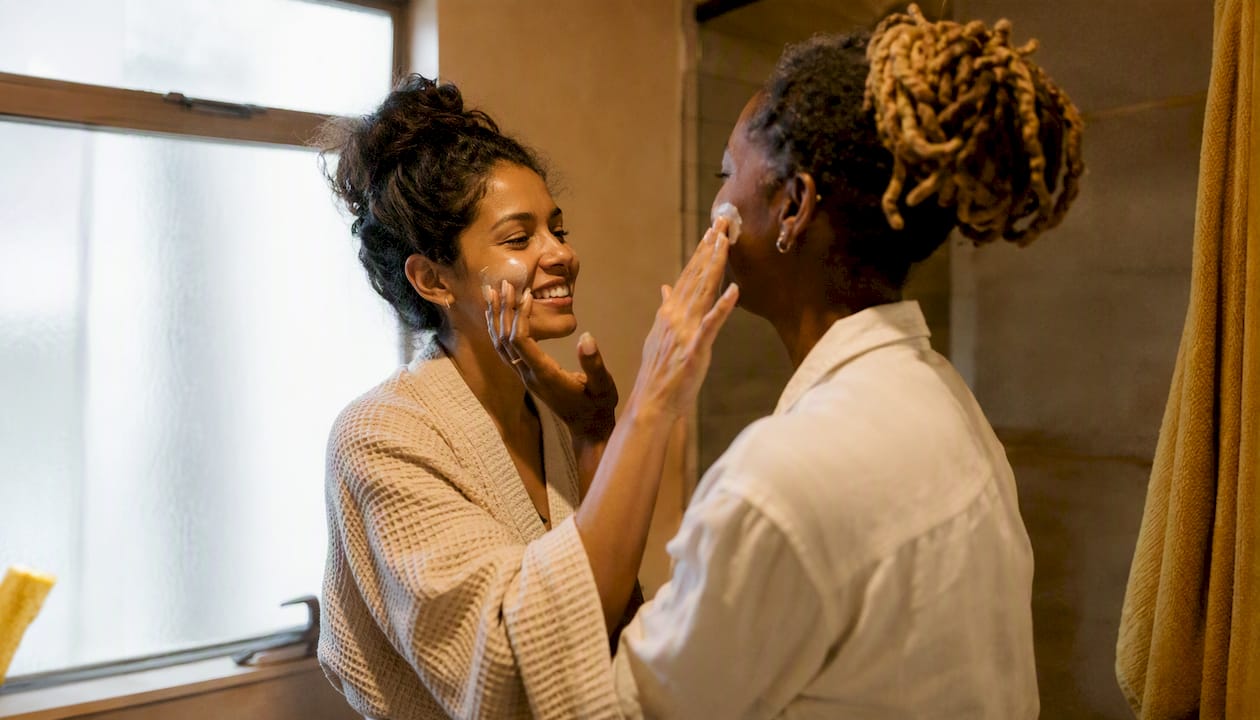
That's exactly why Theultimatebeauty-you exists to draw a clear line between mindful beauty and performative wellness. Mindful beauty asks what actually makes you feel good. Performative wellness asks what looks good in a post. Understanding wellness culture, including its blind spots, its cost barriers, and its moral framing, gives you the tools to choose the first over the second, on your own terms and at your own pace.
How Theultimatebeauty-you Supports Evidence-Informed Wellbeing
Theultimatebeauty-you exists precisely because so much of wellness marketing skips the evidence and jumps straight to the sale. Instead of chasing every trending detox or influencer protocol, the platform connects you with vetted experts, inclusive product recommendations, and a community built around sustainable confidence, not moralized restriction.
You won't find miracle cures here. You'll find real people, credible resources, and practices sized to fit different budgets, bodies, and stages of life. If you're ready to explore beauty and wellness guidance that respects your time and your wallet, browse the curated product picks and see what fits your actual life, not an aesthetic you're expected to perform.
Sources
- Project HEAL — Wellness Culture is for the Wealthy
- SAMHSA — Wellness dimensions and culture (PDF)
- Equip — Wellness culture making us unwell
- City of Bridgeport — Social media influencers and health misinformation