
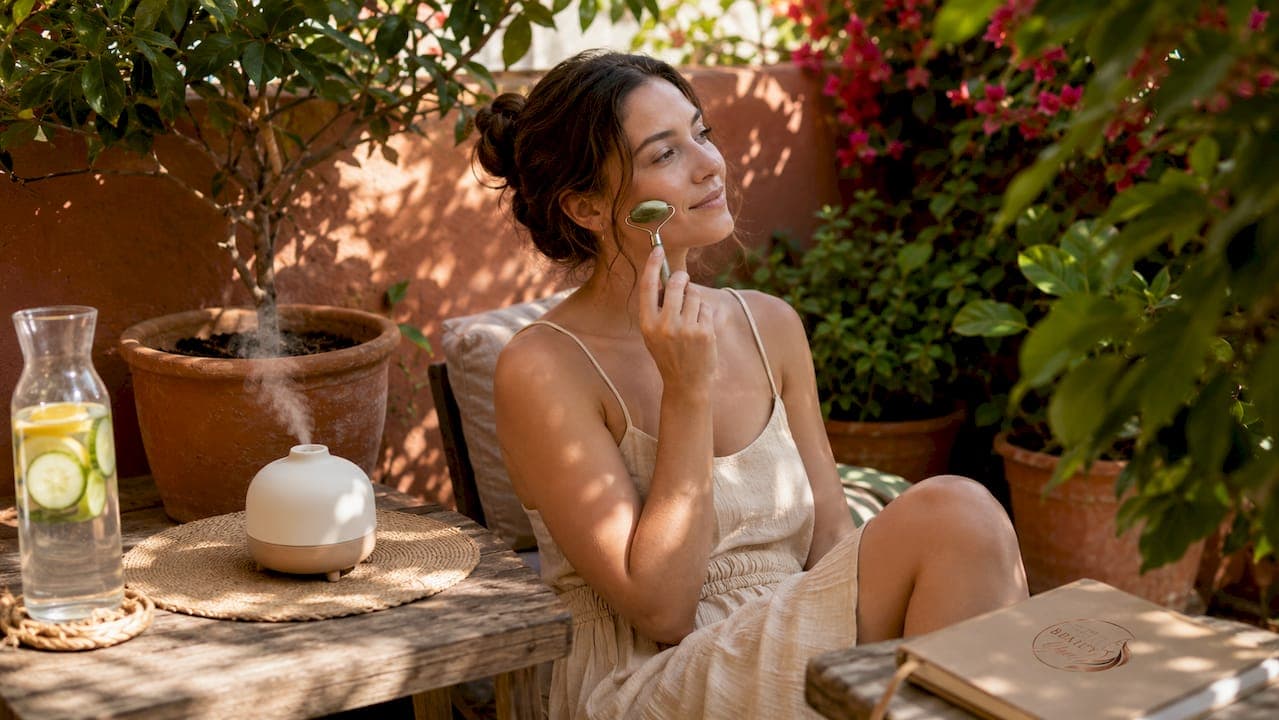
Beauty-wellness convergence is defined as the merging of the beauty and wellness industries into a single, unified approach that treats your appearance as a direct reflection of your internal health. This is the concept the industry formally calls the "wellness-as-beauty philosophy," and it is reshaping how women shop, care for themselves, and think about what beauty actually means. The global beauty market is growing at 10% year over year, with wellness integration named as a primary driver. At Theultimatebeauty-you, we see this shift not as a trend but as a long-overdue truth: beauty is not just what you put on. It is what you build from within.
What is beauty-wellness convergence and why does it matter now?
Beauty-wellness convergence is the point where skincare, nutrition, sleep, stress management, and mental health stop being separate conversations and become one. The industry term for this unified philosophy is "inside-out beauty," and it reflects a fundamental change in how consumers define what it means to look and feel good. Beauty is no longer a surface-level pursuit. It is becoming a whole-body practice.
The shift matters because consumer behavior is confirming it at scale. 40% of consumers now consider wellness an essential part of their daily beauty routine. That number signals a permanent change in how people prioritize self-care, not a passing preference. And the psychological proof is just as strong: 84% of people report that they feel they look better when they actively prioritize internal wellness.

This convergence also reframes what beauty products are for. A moisturizer is no longer just a moisturizer. A supplement is no longer just a health product. When beauty and wellness integrate, every product becomes part of a larger system designed to support your whole self. That is the core of what beauty-wellness convergence delivers.
How beauty and wellness integration is changing daily self-care
The most visible sign of this shift is what women are now adding to their routines. Adaptogens, sleep aids, collagen supplements, and stress-regulating rituals are sitting alongside serums and SPF on bathroom shelves. Purchases of adaptogen-containing products have increased 400% year over year leading into 2026. That growth rate shows that women are actively seeking products that address the root causes of skin and hair concerns, not just the surface symptoms.
The psychological dimension of this integration is equally significant. 96% of women say beauty products boost their self-esteem, while 70% of women use skincare rituals specifically for stress relaxation. These numbers reveal that beauty routines have always carried a wellness function. The convergence simply makes that function explicit and intentional.
Here is what a beauty-wellness integrated routine actually looks like in practice:
- Morning: A collagen peptide supplement with breakfast, followed by a vitamin C serum and SPF. The supplement supports skin structure from within; the topical products protect from without.
- Midday: A stress check. Cortisol spikes directly affect skin inflammation and breakouts. A five-minute breathing practice or adaptogen tea addresses the internal trigger.
- Evening: A magnesium supplement for sleep quality, paired with a retinol or peptide night cream. Sleep is when skin repairs itself most actively.
- Weekly: A scalp massage with a nourishing oil, combined with a protein-rich meal plan that supports hair growth from the follicle level.
Pro Tip: Start with one inside-out swap per week. Replace a topical-only product with one that has both an internal and external benefit, like a biotin supplement paired with a strengthening hair mask. Small shifts build lasting habits.
The healthy beauty habits that create real, lasting results are the ones that address both layers simultaneously.
What does science say about the connection between beauty and health?
Science confirms what many women have felt intuitively for years: your internal state shows up on your skin. Stress triggers cortisol, which breaks down collagen, increases oil production, and inflames the skin barrier. Managing stress is not a luxury wellness practice. It is a clinically supported skin care strategy.
Unilever's R&D leadership has stated directly that managing internal stress improves skin health in measurable ways, validating the inside-out approach at the research level. This is not marketing language. It is the conclusion of applied science, and it changes the standard for what a beauty product should do.
"The wellness-as-beauty philosophy represents a paradigm shift, making beauty a reflection of whole-body vitality rather than superficial appearance. When we treat beauty as an expression of internal health, we stop chasing perfection and start building resilience."
Wellness-as-Beauty Philosophy, BeautyWonks
Consumer trust follows the science. Brands with validated, science-backed routines see higher loyalty than those that stretch into wellness without clinical credibility. Women are not naive shoppers. They reward transparency and penalize vague claims. This means the convergence of beauty and health is not just a philosophy. It is a trust contract between brands and the people who use their products.
The role of mental health in how we experience our own beauty is now a recognized part of this scientific conversation. Confidence, resilience, and emotional wellbeing are not soft concepts. They are measurable factors in how women perceive and present themselves.
How big is the beauty-wellness market, and where is it growing?
The economic impact of beauty-wellness convergence is substantial and still accelerating. The integration of wellness into beauty has expanded the industry's total market value opportunity by 64% as of 2025, by pulling adjacent categories like supplements, sleep aids, and sexual wellness into the beauty retail space. That is not incremental growth. It is a structural expansion of what the beauty industry is.
Wellness is no longer a separate shelf in the store. Consumers now treat wellness as an everyday operating system, covering sleep, stress, and immunity, rather than a siloed category. Brands that respond with integrated product systems rather than isolated items are the ones capturing this growth.
| Growth area | What is driving it | Why it matters |
|---|---|---|
| Ingestible supplements | Demand for inside-out skin and hair support | Connects nutrition directly to beauty outcomes |
| Sleep and stress aids | Cortisol's proven impact on skin health | Addresses root causes, not just symptoms |
| Sexual wellness | Expanding definition of whole-body confidence | Brings intimacy and self-care into one conversation |
| Personalized routines | Consumer desire for systems, not single products | Increases loyalty and repeat purchase |
| Digital retail | Education-led online discovery | Reaches women where they research and shop |
Ulta Beauty's response to this shift is instructive. The retailer built dedicated wellness boutiques with trained advisors to help shoppers understand how beauty and wellness products work together. That investment reflects a clear read of where consumer demand is heading. Education is now a core part of the retail experience, not an add-on.
The beauty industry trends of 2026 confirm that digital-first strategies are accelerating this market shift, making wellness-integrated beauty accessible to women at every price point and life stage.
How to build your own beauty-wellness practice, step by step
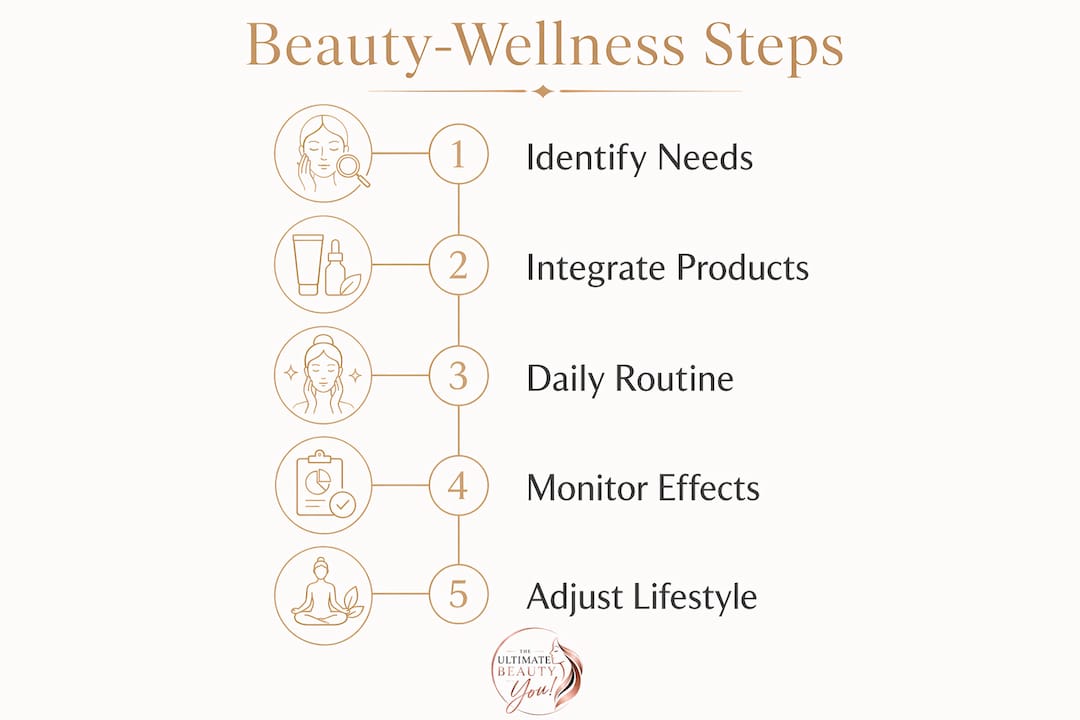
Building a beauty-wellness practice does not require a complete overhaul of your routine. It requires intention. The goal is to create a system where your external beauty care and your internal health choices reinforce each other.
-
Audit your current routine. Write down every product and habit you use for beauty. Then write down your wellness habits: sleep, nutrition, stress management, movement. Look for gaps where one side is strong and the other is weak.
-
Add one internal support for each external concern. If you are working on skin hydration, add a hyaluronic acid supplement or increase your water intake alongside your topical hyaluronic acid serum. If you are addressing hair thinning, pair a biotin supplement with a scalp-stimulating treatment.
-
Prioritize sleep as a beauty non-negotiable. Skin cell turnover peaks during deep sleep. A consistent 7 to 8 hours of sleep is one of the most evidence-supported beauty practices available, and it costs nothing.
-
Choose products with clinical backing. Brands that couple beauty and wellness with credible, science-backed routines earn consumer trust. Look for ingredient transparency, clinical study references, and clear explanations of how a product works.
-
Seek education-led shopping experiences. Whether in-store or online, retail wellness growth depends on platforms that teach you how nutrition and internal health support your external beauty goals. Shop where you learn, not just where you browse.
Pro Tip: Think of your beauty-wellness routine as a 360-degree system. Skin, hair, mood, energy, and confidence are all connected. When you strengthen one, you strengthen the others. A holistic beauty approach is not complicated. It is cumulative.
Key Takeaways
Beauty-wellness convergence is the most significant structural shift in the beauty industry in a generation, and women who build inside-out routines grounded in science will see the most lasting results.
| Point | Details |
|---|---|
| Convergence is defined | Beauty-wellness convergence treats appearance as a direct reflection of internal health, not surface care alone. |
| Consumer adoption is real | 40% of consumers integrate wellness into beauty routines, and 84% report looking better when they do. |
| Science backs it | Stress directly damages skin health; brands with clinical validation earn higher consumer loyalty. |
| Market impact is massive | Wellness integration expanded the beauty industry's total market value opportunity by 64% as of 2025. |
| Your routine can reflect it | Pairing internal supports with external products creates a system that delivers results from the inside out. |
Why I believe this shift is the most personal one in beauty
I have watched the beauty industry evolve for years, and what strikes me most about the beauty-wellness convergence is not the market numbers. It is the mindset shift underneath them. Women are no longer asking, "How do I look?" They are asking, "How do I feel, and how does that show up?" That is a profound change in self-relationship.
The part that most articles miss is this: the convergence is not just about adding supplements to your shelf. It is about releasing the idea that beauty is something you fix from the outside. When you start treating sleep, stress, and nutrition as beauty practices, you stop chasing perfection and start building something real. That shift in thinking is more powerful than any product.
My honest observation is that the women who thrive in this space are not the ones with the most products. They are the ones with the most self-awareness. They know which internal habits are undermining their external goals. They shop with intention. They choose brands that respect their intelligence with science and transparency.
The inner beauty connection is not a soft concept. It is the foundation of every lasting result I have seen. Beauty is a verb. It is something you practice, not something you purchase. And the convergence of beauty and wellness is simply the industry finally catching up to what women have always known.
— Ava
Theultimatebeauty-you: your home for inside-out beauty
At Theultimatebeauty-you, we built our platform around one belief: that real beauty comes from a 360-degree approach to who you are. Inside-out. Head-to-toe. Every age and every stage.

Our beauty and wellness products are curated to reflect the convergence of beauty and health, bringing together skincare, supplements, and self-care tools that work as a system. We also connect you with trusted experts and partners who bring clinical knowledge and real-world experience to every recommendation. Whether you are building your first inside-out routine or refining one you have had for years, Theultimatebeauty-you is the community and resource you deserve.
FAQ
What is beauty-wellness convergence in simple terms?
Beauty-wellness convergence is the merging of beauty and wellness into one unified self-care approach, where internal health practices like nutrition, sleep, and stress management directly support external beauty outcomes.
How does stress affect my skin and beauty?
Stress raises cortisol levels, which breaks down collagen, increases inflammation, and disrupts the skin barrier. Managing stress is a clinically supported skin care strategy, not just a wellness preference.
What are adaptogens and why are they trending in beauty?
Adaptogens are plant-based compounds that help the body regulate stress responses. Purchases of adaptogen-containing beauty products increased 400% year over year leading into 2026, driven by demand for stress-regulating beauty solutions.
How do I know if a beauty-wellness product is trustworthy?
Look for clinical backing, ingredient transparency, and clear explanations of how the product works. Brands with science-validated routines consistently earn higher consumer loyalty than those making vague wellness claims.
How does beauty-wellness convergence affect the beauty market?
Wellness integration expanded the beauty industry's total market value opportunity by 64% as of 2025, pulling supplements, sleep aids, and sexual wellness into the beauty retail space as core categories.