
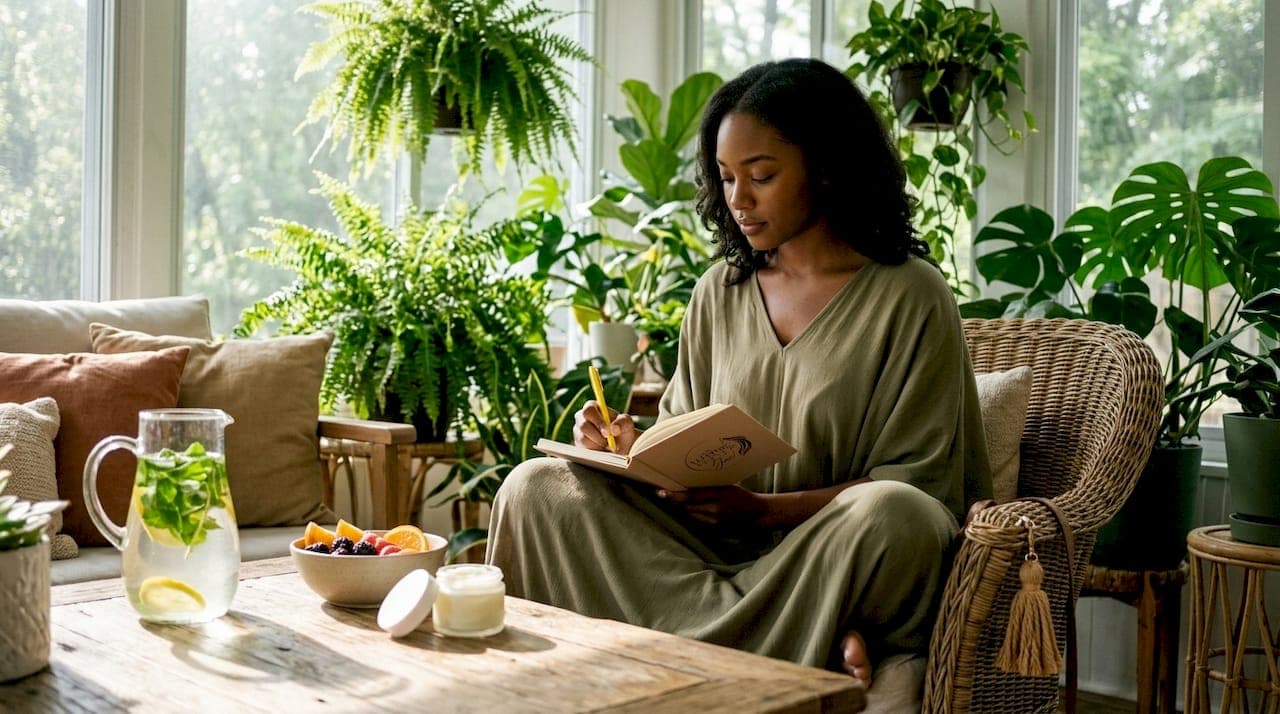
Wellness in beauty is defined as the integration of lifestyle health practices into personal care, making outward appearance a direct reflection of internal well-being. The role of wellness trends in beauty has moved far beyond face creams and serums. Nutrition, sleep, stress regulation, and social connection now shape how your skin ages, how your confidence grows, and how you choose products. Functional foods and beverages used as beauty ingestibles are projected to grow at a 9.5% CAGR from 2025 to 2028. That number tells you something important: women are no longer separating what they eat from what they put on their skin. Beauty is becoming. And it starts from within.
How do wellness trends shape the role of beauty today?
The wellness impact on beauty is grounded in biology, not just branding. Lifestyle medicine identifies six pillars that directly modulate the biological pathways behind skin aging: nutrition, physical activity, sleep, stress regulation, avoidance of harmful exposures, and social connection. Each pillar influences how your skin cells repair, how much inflammation your body carries, and how quickly you age visibly.
Nutrition drives this conversation most visibly. Antioxidant-rich diets reduce oxidative stress, one of the primary drivers of collagen breakdown and uneven skin tone. Physical activity increases circulation and mitochondrial function, both of which support cell renewal and a healthy glow. Sleep is when your skin does its deepest repair work, producing growth hormone and clearing cellular waste.
Stress regulation sits at the center of the skin-mind connection. Chronic stress elevates cortisol, which breaks down collagen, triggers inflammation, and worsens conditions like acne and eczema. Social connection reduces cortisol and lowers inflammatory markers like IL-6 and CRP. That means your relationships are, quite literally, a skin care tool.
| Lifestyle pillar | Biological mechanism | Skin outcome |
|---|---|---|
| Nutrition | Reduces oxidative stress | Brighter tone, slower collagen loss |
| Physical activity | Boosts mitochondrial function | Improved cell renewal |
| Sleep | Activates growth hormone | Deeper repair, reduced puffiness |
| Stress regulation | Lowers cortisol | Less inflammation, fewer breakouts |
| Social connection | Reduces IL-6 and CRP | Slower inflammaging |
| Avoiding toxins | Limits free radical damage | Preserved skin barrier |
Pro Tip: Start with sleep before adding any new product. Eight hours of quality sleep activates repair pathways no serum can replicate.
What are the leading beauty and wellness trends for 2026?
The beauty and wellness trends defining 2026 are built around personalization, biology, and the gut-skin axis. Expert forecasts highlight ten key directions, with neurocosmetics, microbiome care, circadian skincare, and AI-driven formulations leading the way. These are not passing fads. They reflect a consumer base that reads ingredient labels, tracks sleep data, and expects products to work with their biology.
Neurocosmetics target the skin-brain connection. Products in this category use adaptogens, peptides, and sensory ingredients to reduce stress responses in skin cells. The goal is not just to calm redness. It is to interrupt the cortisol-to-inflammation pathway at the product level.
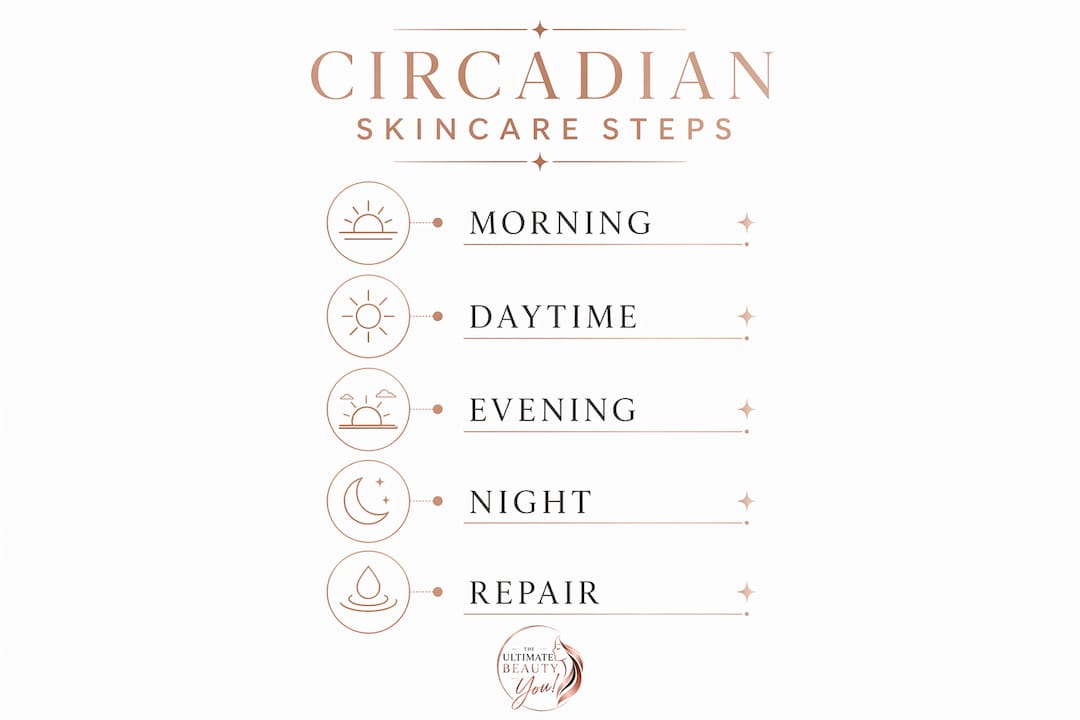
Circadian skincare aligns product application with your body's natural repair cycles. Morning formulas focus on protection and antioxidant defense. Evening formulas prioritize repair, using retinoids, peptides, and barrier-supporting ceramides when skin is most receptive.
Microbiome-focused skincare is one of the fastest-growing categories. Skinbiotics, prebiotics, and postbiotics feed the skin's bacterial ecosystem rather than stripping it. A balanced microbiome means a stronger barrier, less sensitivity, and fewer inflammatory flare-ups.
The ingestible beauty category is expanding just as fast. Functional foods and beverages now carry bio-synthesized collagen, NAD+ precursors, and adaptogenic blends. These products treat beauty as a nutritional outcome, not just a topical one.
- Neurocosmetics: Stress-response ingredients like ashwagandha and phosphatidylserine
- Circadian skincare: Time-specific AM/PM formulas aligned with skin's repair cycles
- Microbiome care: Prebiotics, postbiotics, and skinbiotics for barrier health
- Longevity ingredients: Peptides, NAD+ precursors, and exosomes for cellular repair
- Ingestible beauty: Functional foods, collagen drinks, and adaptogenic supplements
Pro Tip: When choosing a new product, look for one that addresses your microbiome first. A compromised barrier makes every other product less effective.
Why is the convergence of beauty and wellness a real shift?
Beauty and wellness are now synonymous in brand strategy and consumer expectation. This is not a marketing pivot. It reflects a genuine change in how women understand their bodies and their skin. Consumers now treat appearance as a biomarker of internal health, seeking products that address physiological balance rather than just surface results.
Aesthetic medicine reflects this shift clearly. Longevity science has entered the treatment room, with protocols now targeting inflammation, tissue repair, and regenerative capacity rather than only visible wrinkles. The gut-skin axis and metabolic health are becoming standard reference points for skin specialists.
Personalization is the mechanism making this shift real. AI-driven diagnostics analyze skin type, hormonal patterns, lifestyle data, and environmental exposure to recommend formulas built for one person. This moves beauty away from mass-market solutions and toward biology-based self-care. The importance of wellness in beauty shows up most clearly here: a product that ignores your biology is a product that underperforms.
There is one nuance worth naming. Brands that lean too hard on clinical language risk feeling cold and inaccessible. Successful wellness beauty brands balance clinical efficacy with sensorial, ritualistic messaging. The ritual matters. The texture, the scent, the moment of application all contribute to the mental health benefit of a beauty routine. Science and sensory experience are not opposites. They are partners.
How to integrate wellness into your daily beauty routine
Integrating wellness into beauty routines does not require a complete overhaul. It requires intention. Start with the foundations that science consistently supports, then layer in products that reinforce those behaviors.
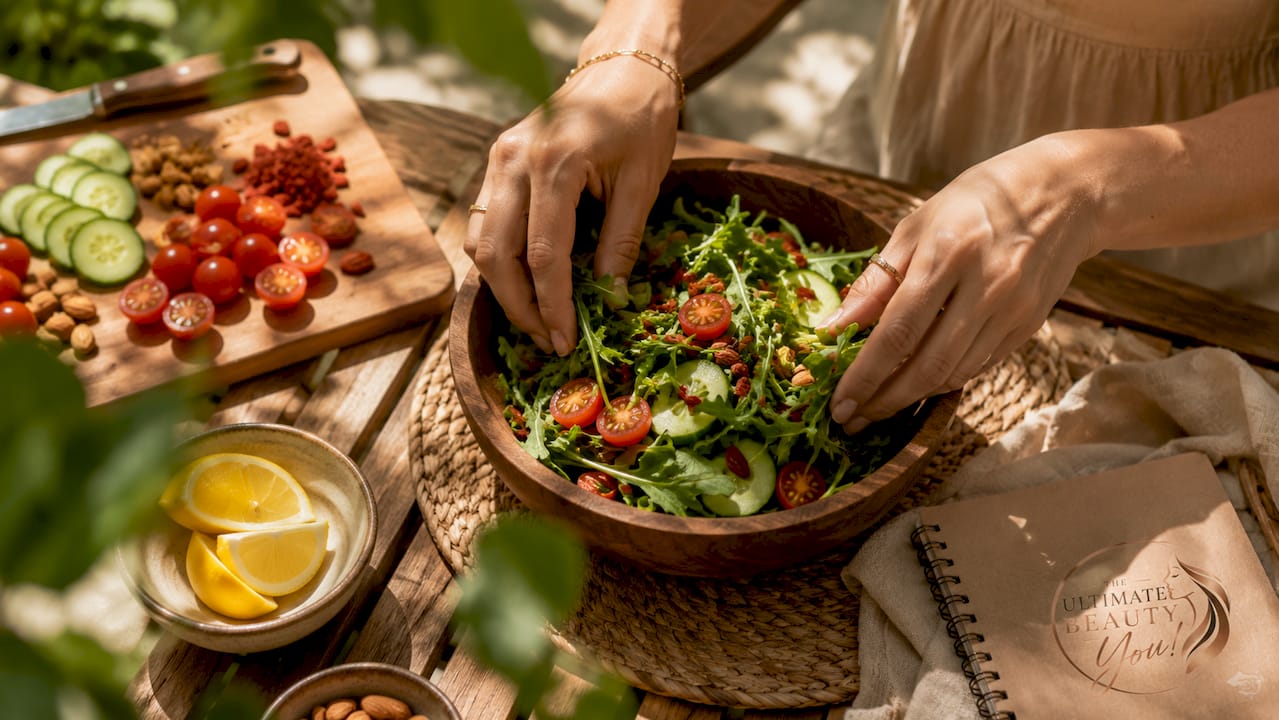
- Eat for your skin first. Prioritize omega-3 fatty acids, vitamin C, zinc, and polyphenols. These nutrients directly support collagen synthesis, barrier repair, and antioxidant defense. Add a collagen-supporting functional beverage or supplement if your diet falls short.
- Match your skincare to your body clock. Use antioxidant serums and SPF in the morning. Switch to peptide-rich or retinoid formulas at night when skin repair peaks. This is circadian skincare applied practically.
- Protect your microbiome. Avoid over-cleansing and harsh exfoliants that strip your skin's bacterial balance. Choose a gentle, pH-balanced cleanser and follow with a prebiotic moisturizer. Your microbiome and skin health are inseparable.
- Treat your routine as a mental health practice. A consistent morning or evening ritual lowers cortisol and signals safety to your nervous system. The act of caring for yourself is itself a wellness behavior. Explore the mental health and beauty connection to understand why this matters.
- Choose functional ingredients with purpose. Peptides support collagen. NAD+ precursors support cellular energy. Exosomes support tissue repair. Know what you are buying and why it belongs in your routine.
Pro Tip: Build your routine around three non-negotiables: SPF every morning, a barrier-supporting moisturizer, and seven to nine hours of sleep. Everything else is an upgrade.
Key Takeaways
Wellness trends redefine beauty as a biological outcome shaped by nutrition, sleep, stress management, and personalized care rather than surface-level products alone.
| Point | Details |
|---|---|
| Lifestyle pillars drive skin health | Nutrition, sleep, and stress regulation directly reduce inflammation and slow visible skin aging. |
| Ingestible beauty is growing fast | Functional foods and beverages for beauty are projected to grow at a 9.5% CAGR from 2025 to 2028. |
| 2026 trends are biology-first | Neurocosmetics, microbiome care, and circadian skincare align products with your body's natural systems. |
| Personalization is the new standard | AI diagnostics and biomarker-based protocols replace one-size-fits-all beauty solutions. |
| Ritual supports mental health | A consistent beauty routine lowers cortisol and reinforces self-care as a wellness behavior. |
What I've learned about beauty that most articles won't tell you
I have watched the beauty industry shift in real time, and the most important thing I have learned is this: the women who glow are not the ones with the most products. They are the ones who sleep well, manage their stress, and eat with intention. The science now backs what many of us felt intuitively for years.
What surprises me most about the 2026 wellness-beauty convergence is how it has changed the conversation around aging. Longevity science is not about looking younger. It is about functioning better at the cellular level. When your mitochondria work efficiently and your inflammation is low, your skin reflects that. That is a completely different goal than covering up fine lines.
My honest concern is accessibility. Personalized diagnostics, bio-synthesized ingredients, and AI-driven formulations are exciting. They are also expensive. The foundational wellness behaviors, sleep, nutrition, movement, connection, cost very little and deliver the most. I encourage every woman to invest there first, before spending on premium products that build on a foundation you may not yet have.
The healthy beauty habits that matter most are not glamorous. They are consistent. And consistency, more than any ingredient, is what transforms how you look and feel over time. Beauty is becoming. That becoming is a daily practice.
— Ava
Your wellness beauty practice starts here
Theultimatebeauty-you was built for exactly this moment. We bring together science-backed products, trusted experts, and a community of women who understand that beauty is an inside-out practice.

Every product in our wellness beauty collection is selected to support the pillars that matter most: skin barrier health, stress resilience, and cellular repair. We do not offer quick fixes. We offer tools that work with your biology. Whether you are building your first wellness-focused routine or refining one you have had for years, our experts and partners are here to guide you. You deserve beauty that works as hard as you do.
FAQ
What is the role of wellness trends in beauty?
Wellness trends redefine beauty as a reflection of internal health, integrating lifestyle behaviors like nutrition, sleep, and stress management into personal care routines and product development.
How does wellness affect skincare outcomes?
The six pillars of lifestyle medicine, including nutrition, sleep, and stress regulation, directly modulate inflammation and oxidative stress, the two primary biological drivers of visible skin aging.
What are the top beauty and wellness trends for 2026?
Neurocosmetics, microbiome-focused skincare, circadian formulas, AI-driven personalization, and ingestible beauty products are the leading trends shaping the industry in 2026.
Why are ingestible beauty products growing so fast?
Functional foods and beverages for beauty are projected to grow at a 9.5% CAGR from 2025 to 2028, driven by consumer demand for beauty solutions that work from the inside out.
How do I start integrating wellness into my beauty routine?
Begin with sleep, nutrition, and a microbiome-friendly cleanser. These three behaviors address the biological foundations that all other skincare products build upon.