
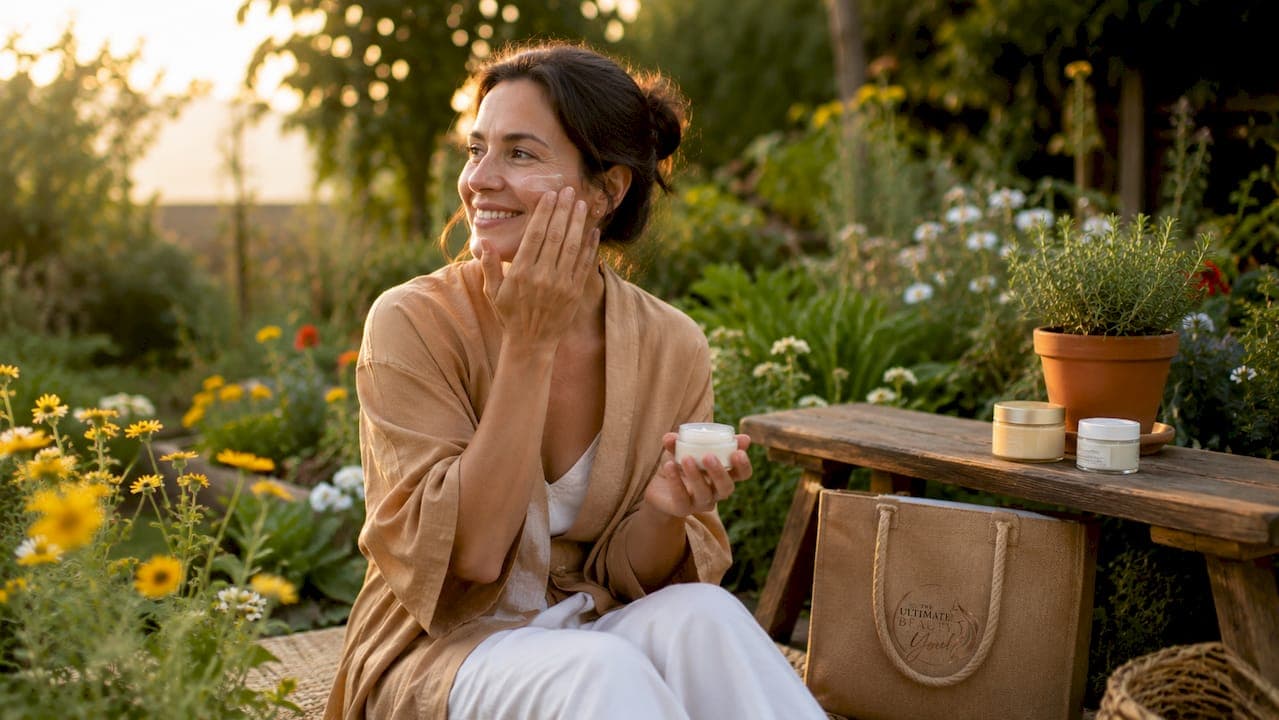
The slow beauty movement is defined as a mindful, sustainable approach to skincare that prioritizes quality over quantity, long-term skin health over quick fixes, and intentional self-care rituals over reactive product consumption. Where fast beauty chases the newest trend or overnight result, slow beauty asks you to pause, simplify, and connect. It treats your skincare routine as a practice of self-respect, not a performance. At Theultimatebeauty-you, this philosophy sits at the heart of everything we believe about beauty becoming.
What is the slow beauty movement and why does it matter?
The slow beauty movement is a direct response to decades of overcrowded bathroom shelves, aggressive treatments, and the relentless pressure to look "fixed." It borrows its core logic from the slow food movement: less is more when the less is intentional. The philosophy centers on three pillars: mindfulness, sustainability, and biological respect for your skin.
Slow beauty is not "doing nothing." It is a science-backed approach to respecting skin biology, focusing on natural repair rather than aggressive correction. Pro-age activist Attracta Courtney describes it as a "return to biological integrity," built around barrier-fortifying ingredients like ceramides and NAD+. That framing matters because it separates slow beauty from passive neglect and positions it as an active, informed choice.
The movement also carries real environmental weight. Slow beauty now emphasizes reducing ecological footprints through ingredient transparency, minimal packaging, and circular economy principles. This shift moves well beyond green marketing into a genuine rethinking of how beauty products are made, used, and discarded. For women who care about what goes on their skin and what ends up in landfills, slow beauty offers a coherent answer.
What principles define the slow beauty philosophy?
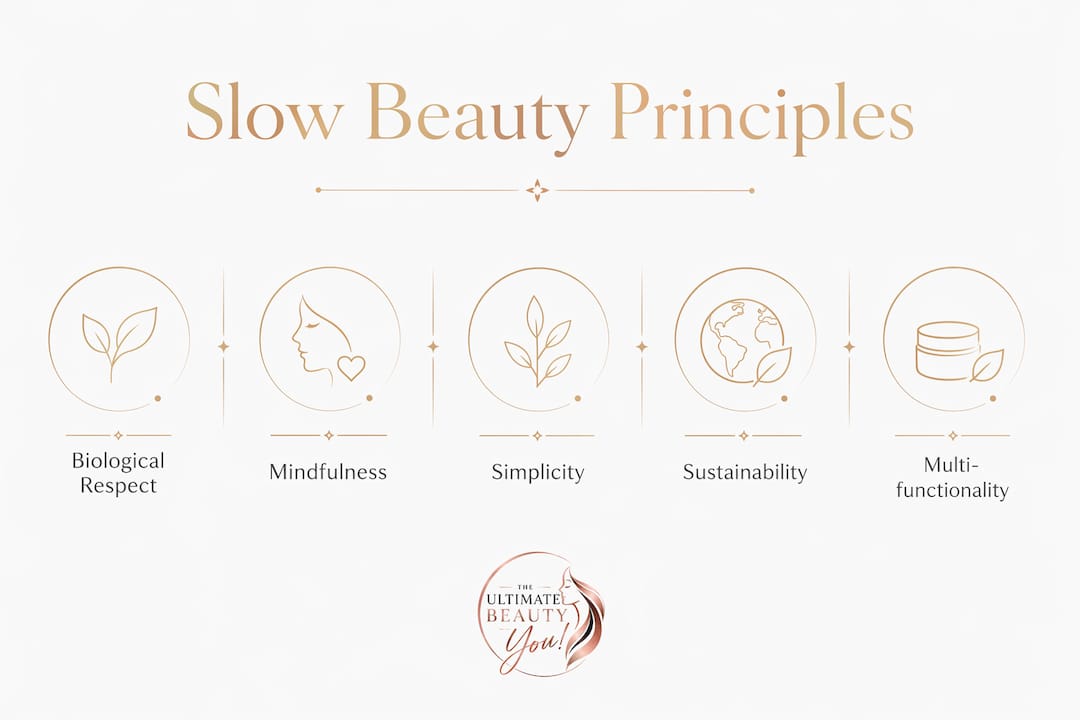
Slow beauty philosophy rests on four principles that work together rather than independently.
Mindfulness as ritual. Skincare becomes a moment of mental restoration, not a chore to rush through. Mindful beauty routines serve as rituals of connection that reduce daily stress and make skincare a self-care practice beyond appearance. When you treat your morning cleanse as a deliberate pause rather than a task, the psychological benefit compounds over time.
Simplicity over accumulation. A minimalist routine built around three or four multi-functional products replaces the 10-step regimen. This is not about deprivation. It is about choosing products that work harder so you need fewer of them. A good ceramide moisturizer, a broad-spectrum SPF, and a gentle cleanser can outperform a shelf of single-purpose serums when applied consistently.
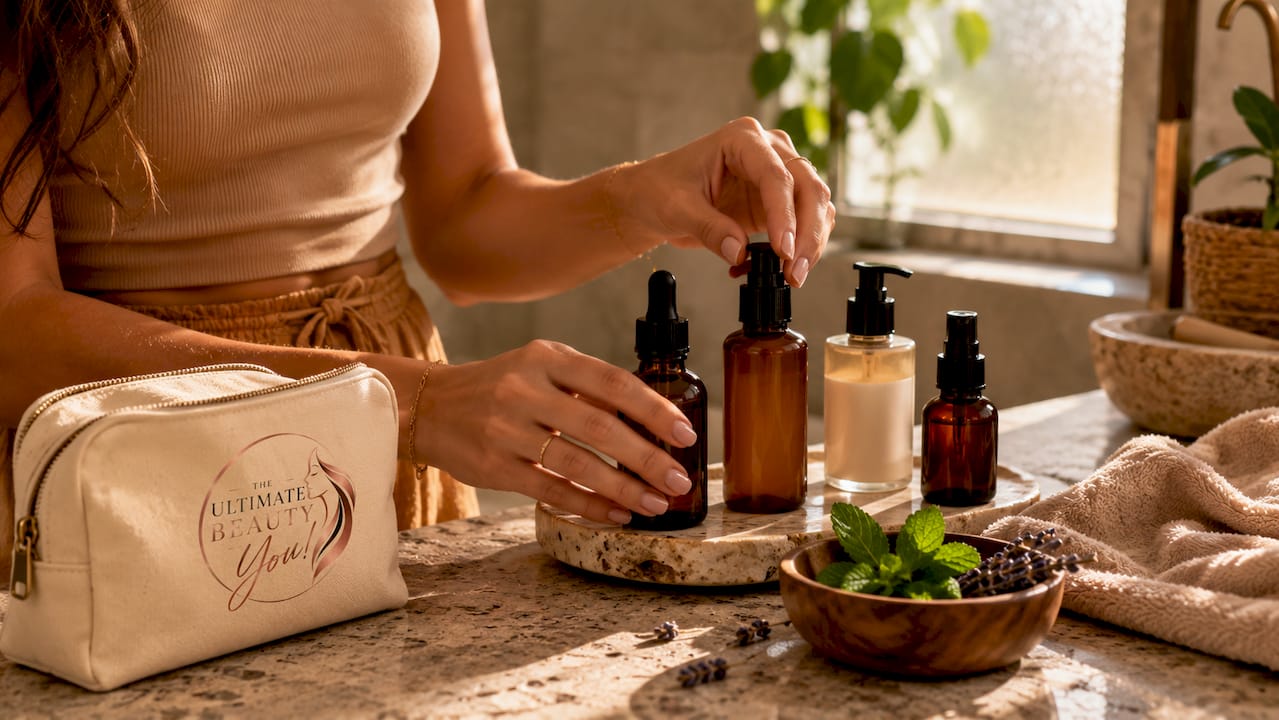
Sustainability as a non-negotiable. Slow beauty asks you to read ingredient labels, choose refillable or minimal packaging, and support brands that practice ethical sourcing. Exploring sustainability in beauty reveals how ingredient transparency and microbiome protection are now central to responsible skincare, not optional extras.
Biological respect. Slow beauty avoids aggressive exfoliation, over-stripping cleansers, and treatments that force rapid change. The skin barrier is a living system. Slow beauty works with it, not against it.
Pro Tip: When building your slow beauty routine, choose one product that serves at least two functions, such as a tinted SPF moisturizer. This single swap reduces both product count and decision fatigue.
What are the benefits of slow beauty for skin and well-being?
The benefits of slow beauty reach well beyond clearer skin. They span physical health, mental clarity, and financial savings.
Slow, tactile skincare rituals actively lower cortisol and stimulate endorphins. Spending 60–90 seconds massaging products into your skin with upward strokes supports lymphatic drainage and calms the nervous system. That is not a spa indulgence. It is a physiological response you can trigger every morning at your bathroom sink.
The skin itself responds to consistency. Long-term barrier restoration and resilience build when you stop stripping the skin with harsh actives and start supporting its natural repair cycle. Ceramides, peptides, and gentle humectants applied daily over months produce results that no single aggressive treatment can replicate.
The financial case is equally strong. A minimalist routine with three to four multi-functional products can reduce annual beauty spending by roughly 30–50%. That saving comes from eliminating single-use or trend-driven products that deliver short-term novelty but no lasting result.
The mental health benefits deserve equal attention:
- Slow beauty breaks the cycle of productivity guilt around self-care, reframing your routine as a legitimate mental break.
- Mindful application shifts focus from judging your reflection to experiencing the ritual itself.
- Consistent, low-pressure routines reduce the anxiety that comes from chasing constantly changing beauty trends.
- The 76% of cosmetics consumers who say product texture influences their perception of efficacy are responding to something real. Tactile pleasure is part of the therapeutic value.
How does slow beauty differ from fast beauty?
Fast beauty and slow beauty share the same starting point: a desire to look and feel good. They diverge completely on method and mindset.
Fast beauty chases instant gratification. It relies on aggressive exfoliants, high-concentration actives, and frequent professional treatments designed to force rapid visible change. The psychological barrier to slow beauty is precisely this desire for speed. Skin health builds over seasons, not days, and that requires a patience that consumer culture rarely rewards.
| Dimension | Fast beauty | Slow beauty |
|---|---|---|
| Goal | Immediate visible change | Long-term skin resilience |
| Routine size | Large, trend-driven | Minimal, multi-functional |
| Treatment approach | Aggressive correction | Preservation and support |
| Mindset | Appearance judgment | Ritual connection |
| Environmental impact | High waste, frequent repurchase | Minimal packaging, ethical sourcing |
One pitfall worth knowing: when you first transition to slow beauty, your skin may push back. A detox phase of 2–4 weeks is normal, marked by temporary redness, oiliness, or breakouts as your skin adjusts to less aggressive care. This is not failure. It is adaptation. Patience through this window is what separates women who experience slow beauty's full benefits from those who abandon it too soon.
Pro Tip: If you hit the detox phase, resist the urge to reintroduce harsh actives. Hold your simplified routine steady for the full 2–4 weeks before making any changes.
Slow beauty also reframes professional treatments. Rather than sporadic aggressive procedures, it favors low-intensity treatments focused on preservation. Consistent support over years beats a single dramatic intervention every time.
How can you practice slow beauty in everyday life?
Practicing slow beauty starts with subtraction, not addition. Here is how to build it into your daily life.
-
Audit your current routine. Pull everything out and ask one question for each product: does this serve a clear, consistent purpose? If the answer is uncertain, set it aside. Aim for three to four products that cover cleansing, moisturizing, and sun protection.
-
Apply products with intention. Spend at least 60–90 seconds on each application step. Use upward strokes, gentle pressure, and full attention. Product application technique, including massage direction and tactile attention, directly supports lymphatic drainage and nervous system relaxation.
-
Choose ingredients that support, not strip. Ceramides restore the skin barrier. Peptides signal repair. Hyaluronic acid draws moisture without disrupting pH. These are the workhorses of slow beauty. Avoid daily use of high-percentage AHAs, BHAs, or retinoids unless a dermatologist has specifically recommended them for your skin.
-
Minimize waste at every step. Choose products in refillable packaging, glass, or recycled materials. Buy full sizes rather than travel sizes to reduce packaging per use. Read labels for ingredient transparency before purchasing.
-
Treat your routine as a scheduled break. Set a consistent time, morning or evening, and protect it. Even five to seven minutes of focused, phone-free skincare functions as a genuine mental reset. Healthy beauty habits built around consistent daily rituals compound in both skin health and emotional resilience.
-
Integrate gentle technology where it fits. Devices like facial rollers or low-frequency tools can support natural skin rhythms without forcing rapid results, aligning with slow beauty values when used gently and consistently.
Pro Tip: Place your skincare products somewhere visible and appealing, not buried in a cabinet. When your routine is easy to access and pleasant to look at, you are far more likely to practice it consistently.
Key Takeaways
Slow beauty is the most effective long-term approach to skin health because it combines biological respect, mindful ritual, and sustainable choices into one consistent practice.
| Point | Details |
|---|---|
| Core definition | Slow beauty is a mindful, sustainable approach that prioritizes skin biology over quick fixes. |
| Ritual as medicine | Spending 60–90 seconds massaging products lowers cortisol and supports lymphatic drainage. |
| Financial benefit | A minimalist routine of 3–4 products can cut annual beauty spending by 30–50%. |
| Detox phase is normal | Expect 2–4 weeks of skin adjustment when transitioning; patience is the practice. |
| Sustainability is built in | Ingredient transparency, minimal packaging, and ethical sourcing are core, not optional. |
Why slow beauty changed how I think about self-care
I used to believe that more effort meant better results. More products, more steps, more aggressive treatments. I chased every new active ingredient and booked procedures the moment I saw a new concern in the mirror. The result was a reactive relationship with my own face, always correcting, never accepting.
Slow beauty shifted that entirely. The cultural obsession with productivity extends into beauty, and most of us have absorbed it without realizing. We treat skincare like a problem to solve rather than a practice to sustain. When I started applying products slowly, deliberately, and with genuine attention, something changed. Not just in my skin, but in how I started my mornings.
What surprised me most was the patience required. Slow beauty does not reward urgency. It rewards consistency. And that is exactly what makes it hard for most women at first. We are conditioned to expect visible change within days. Slow beauty asks you to measure progress in seasons, not selfies. That mindset shift is the real work, and it is worth every bit of it.
Embracing natural beauty at every age is not about giving up. It is about choosing a relationship with your skin that is built on care rather than correction. That is the most confident, resilient, and sustainable version of beauty I know.
— Ava
Slow beauty resources at Theultimatebeauty-you
Theultimatebeauty-you was built for exactly this kind of beauty. Our platform connects women with trusted experts, carefully chosen products, and a community that believes beauty is an ongoing practice, not a destination.

Our curated skincare products are selected with slow beauty principles in mind: multi-functional formulas, ingredient transparency, and quality that lasts. Whether you are simplifying your routine for the first time or deepening a practice you already love, our women's resources give you the expert guidance and community support to make it real. Visit Theultimatebeauty-you and take the next step in your practice.
FAQ
What does slow beauty mean in simple terms?
Slow beauty means choosing a mindful, minimalist skincare routine that supports your skin's natural biology over time, rather than chasing quick fixes or trend-driven products.
How many products do I need for a slow beauty routine?
Three to four multi-functional products covering cleansing, moisturizing, and sun protection form the foundation of a slow beauty routine. Quality and consistency matter more than quantity.
Is slow beauty backed by science?
Yes. Slow beauty is grounded in barrier science, using ingredients like ceramides and peptides to support the skin's natural repair cycle. Tactile application techniques also lower cortisol and stimulate endorphins, producing measurable mental health benefits.
What is the detox phase in slow beauty?
The detox phase is a 2–4 week adjustment period when transitioning away from aggressive skincare. Temporary redness, oiliness, or breakouts are normal as the skin recalibrates to gentler care.
How is slow beauty different from doing nothing?
Slow beauty is an active, informed practice. It involves deliberate product selection, mindful application techniques, and consistent daily rituals. The difference from "doing nothing" is intention, not effort level.