

Sustainability in beauty is defined as the commitment to produce and consume products with minimal environmental harm and maximum ethical responsibility across every stage of a product's life. The beauty industry generates approximately 120 billion units of packaging annually, with about 62% being non-recyclable plastic. That number alone shows why understanding what does sustainability in beauty mean is no longer optional. It shapes what you buy, what you support, and what kind of world your beauty routine helps build.
What does sustainability in beauty mean across ingredients, packaging, and production?
Sustainable beauty covers three interconnected areas: what goes into a product, how it is packaged, and how it is made. Each area carries its own set of responsibilities, and a brand that excels in one can still fall short in another.
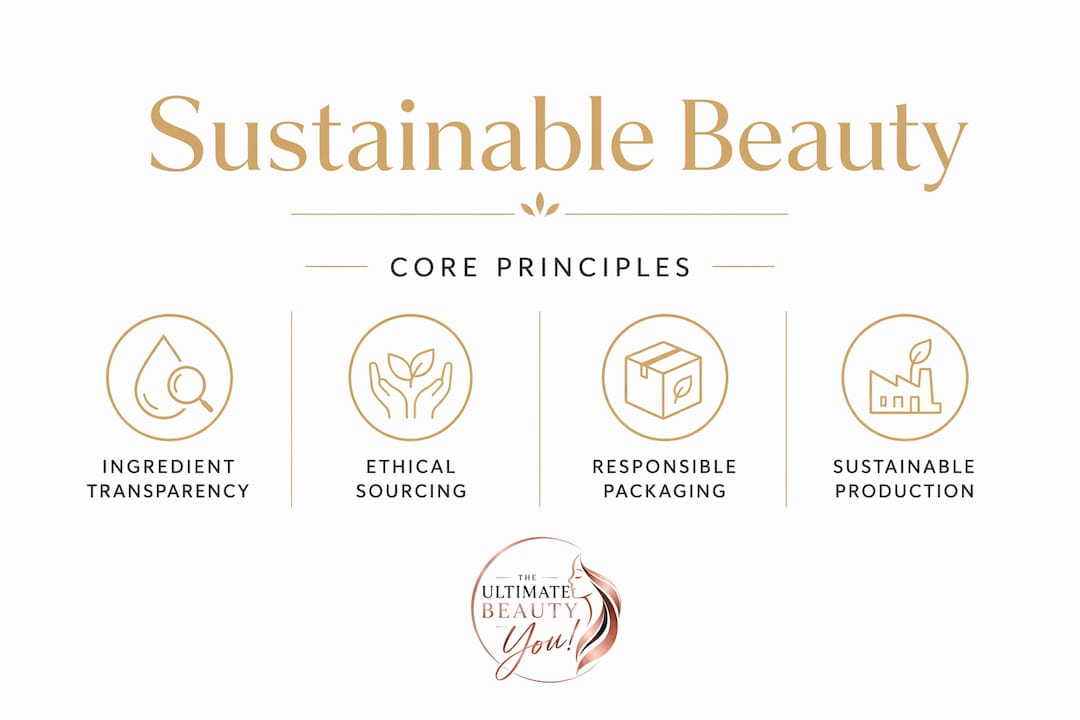
Responsible ingredient sourcing
Ingredient sourcing is where sustainability begins. Ethical procurement means choosing raw materials that do not deplete ecosystems, exploit labor, or harm biodiversity. Palm oil, mica, and shea butter are common examples where sourcing practices vary widely. Brands committed to responsible sourcing trace their supply chains and publish that information openly.
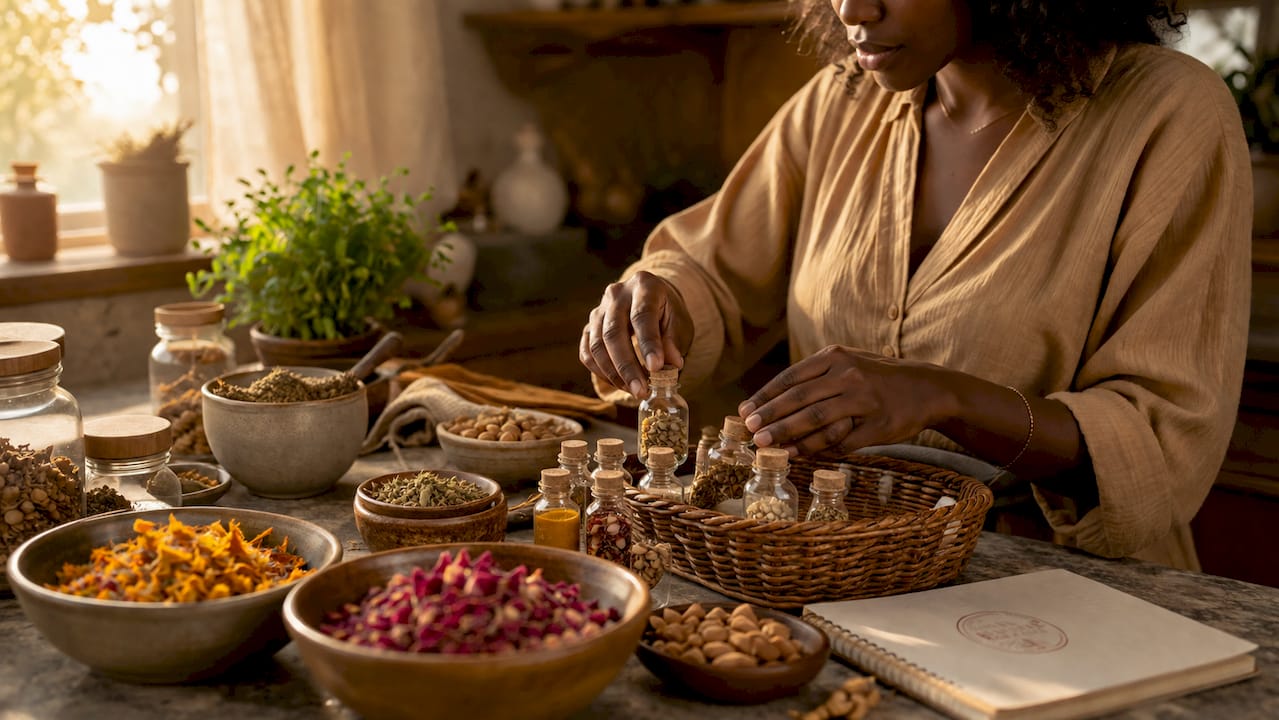
Honest formulation: sustainable vs. clean beauty
Sustainable beauty and clean beauty are related but not the same thing. Clean beauty focuses on ingredient safety for the person using the product. Sustainable beauty focuses on environmental and ethical impact across the full lifecycle. Natural ingredients are not always safe, and synthetics can be safe. The more useful question is whether an ingredient is effective, safe, and sourced or synthesized with minimal environmental cost.
Pro Tip: When reading a product label, skip the "natural" badge and look for specific ingredient transparency, such as a published full ingredient list with sourcing notes.
Packaging and production realities
Packaging is the most visible part of the sustainability conversation, but also the most misunderstood. Recyclable labels do not guarantee a product will actually be recycled. Pump dispensers and small formats are often non-recyclable in curbside systems because of their mixed materials and small size. Refillable packaging and mono-material designs are the formats that deliver real results.
Production choices matter just as much as materials. Overproduction creates massive waste through unsold, expired products and excess packaging. Smaller batch sizes and demand-driven manufacturing cut that waste at the source. This is one reason why smaller, independent brands sometimes outperform large corporations on genuine sustainability metrics.
- Refillable containers reduce single-use plastic across multiple purchase cycles
- Concentrated formulas shrink packaging size and lower shipping emissions
- Waterless and solid formats reduce both packaging and carbon footprint per unit
- Mono-material packaging is easier to recycle than mixed-material alternatives
What are the biggest misconceptions about sustainable beauty?
The word "sustainable" appears on thousands of products with no standard legal definition behind it. That gap creates real confusion, and sometimes deliberate misdirection.
The greenwashing problem
Greenwashing is the practice of making environmental claims that are vague, unverifiable, or misleading. Common examples include terms like "eco-friendly," "green," and "planet-conscious" with no third-party certification to back them up. Without scientific proof or third-party certification, terms like "sustainable" are self-defined and may mislead consumers. That means the burden of verification falls on you.
One specific risk involves ingredient disclosure. The word "fragrance" on a label can legally conceal dozens of undisclosed chemicals. At least 570 cosmetic products have been found to contain PFAS, also called "forever chemicals," despite many of those products carrying clean or natural marketing claims. That gap between marketing and formulation reality is exactly why label literacy matters.
"Sustainability must move beyond branding to become an operational standard, requiring a systemic culture shift away from disposability to circular reuse and refill systems."
The price and behavior gap
Consumers show strong interest in sustainability but face real barriers at the register. Consumer price sensitivity in sustainable beauty is well documented, and the premium cost of ethically produced products creates a gap between what people value and what they actually buy. This is not a character flaw. It reflects the reality that sustainable supply chains cost more to build and maintain.
The regulatory environment is also shifting. California's 2023 chemical bans and the EU Green Claims Directive are tightening what brands can legally claim. Tougher enforcement means the marketing language you see on shelves in 2026 is under more scrutiny than ever before.
How can you choose sustainable beauty items that actually deliver?
Making better choices does not require a complete overhaul of your routine. It requires a sharper eye and a few consistent habits.
- Look for third-party certifications. Labels like COSMOS Organic, Leaping Bunny, and B Corp certification are verified by independent bodies. They carry more weight than self-declared claims.
- Choose fewer, better products. A shorter routine with multi-purpose, high-quality products creates less waste than a large collection of single-use items. Quality over quantity is a sustainability practice, not just a lifestyle preference.
- Prioritize brands with refill or take-back programs. These systems close the loop on packaging waste. Brands that invest in take-back infrastructure are demonstrating commitment beyond the label.
- Understand your local recycling limits. Not every recycling bin accepts beauty packaging. Check your municipality's guidelines before assuming a "recyclable" product will actually be recycled in your area.
- Build routines around mindful consumption. Chasing every new product launch is the opposite of sustainable. Finishing what you have, buying what you need, and choosing products with longer shelf lives all reduce your overall footprint.
Pro Tip: Search a brand's website for its sustainability report or impact page. Brands with nothing to hide publish specific data, not just aspirational language.
Theultimatebeauty-you supports this kind of informed decision-making by curating products from brands that meet clear transparency and sourcing standards. Exploring healthy beauty habits alongside product choices helps you build a routine that works inside and out.
How is the beauty industry evolving toward sustainability?
The industry is moving, but not uniformly. Genuine progress is happening in specific areas, driven by a mix of regulation, consumer pressure, and design innovation.
Formats and formulas that reduce waste
Waterless and solid beauty formats are one of the clearest examples of real progress. Solid and concentrated formats reduce shipping weight, carbon footprint, and packaging waste compared to standard liquid formulas. A solid shampoo bar, for example, can replace multiple plastic bottles over its lifetime. These formats are growing across hair care, skin care, and body care categories.
Refillable packaging is also gaining ground. Subscription and refill models reduce the volume of new packaging entering the waste stream with each purchase cycle. The role of subscription models in beauty is expanding specifically because they align brand economics with reduced packaging output.
Regulation and systemic accountability
| Industry shift | What it means in practice |
|---|---|
| EU Green Claims Directive | Brands must substantiate environmental claims with verified evidence |
| California chemical bans | Specific harmful ingredients are prohibited from cosmetics sold in the state |
| Producer responsibility laws | Brands bear financial responsibility for end-of-life packaging management |
| Circular economy design standards | Products must be designed for disassembly, reuse, or recycling from the start |
Systemic change requires more than individual brand effort. Producer responsibility laws are shifting the cost of packaging waste back to the companies that create it. That financial pressure accelerates real design changes faster than consumer demand alone.
- Brands are investing in supply chain traceability to meet new disclosure requirements
- Collaboration between brands and packaging suppliers is producing new mono-material formats
- Demand-driven manufacturing is replacing overproduction models in forward-thinking companies
Key Takeaways
Sustainable beauty is defined by ingredient transparency, responsible packaging, ethical sourcing, and production practices that minimize waste across the full product lifecycle.
| Point | Details |
|---|---|
| Packaging is the biggest challenge | 62% of beauty packaging is non-recyclable plastic, making material and format choices critical. |
| Clean and sustainable are not the same | Clean beauty targets personal safety; sustainable beauty targets environmental and ethical impact. |
| Greenwashing is widespread | Without third-party certification, sustainability claims are self-defined and often unverifiable. |
| Production choices matter | Small-batch, demand-driven manufacturing reduces overproduction waste more than packaging swaps alone. |
| Consumer habits drive change | Choosing fewer, better products and supporting refill programs creates measurable impact over time. |
Why I think sustainable beauty requires more honesty than marketing
Ava here. After years of watching the beauty industry talk about sustainability, the pattern I keep seeing is this: brands lead with packaging and trail off when you ask about formulation, labor, or overproduction. The packaging swap is visible. The rest is harder to photograph.
What I have found actually works is when sustainability is built into a brand's earliest decisions, not added as a final layer of messaging. Sustainability embedded from early product development leads to more consistent and authentic results. That is the difference between a brand that reformulates to remove a problematic ingredient and one that never included it in the first place.
The uncomfortable truth is that most of us, myself included, have bought products with "eco" on the label without asking a single hard question. The industry counts on that. The shift happens when you start treating sustainability claims the way you treat nutrition labels: with curiosity, not automatic trust.
Small actions do compound. Finishing a product before buying the next one, choosing a refillable format, supporting brands that publish real data. None of these feel dramatic. Together, they redirect money toward the companies building something worth building. That is where the real power sits.
— Ava
Sustainable beauty, curated with intention
At Theultimatebeauty-you, we believe beauty is a verb. It is something you practice, not something you purchase once and set aside. That belief shapes every product we feature.
Our curated beauty products are selected with ingredient transparency, ethical sourcing, and packaging responsibility in mind. We work with trusted brand partners who meet clear standards, not just good marketing copy. Whether you are building a simpler routine or looking for your first refillable staple, you will find options that align with what you actually value. Beauty that is good for you and good for the world is not a compromise. It is the standard we hold ourselves to.
FAQ
What does sustainability in beauty mean?
Sustainability in beauty means producing and consuming products with minimal environmental harm and maximum ethical responsibility, covering ingredient sourcing, packaging, production methods, and end-of-life disposal.
Is clean beauty the same as sustainable beauty?
No. Clean beauty focuses on ingredient safety for the person using the product. Sustainable beauty addresses the full environmental and ethical impact of a product across its entire lifecycle.
How do I spot greenwashing in beauty products?
Look for vague terms like "eco-friendly" or "green" with no third-party certification to support them. Verified labels such as COSMOS Organic, Leaping Bunny, or B Corp certification indicate independently confirmed claims.
Why is beauty packaging so hard to recycle?
Many beauty product formats, including pump dispensers and small tubes, are made from mixed materials that most curbside recycling systems cannot process. Mono-material packaging and brand take-back programs are the most reliable alternatives.
Does buying sustainable beauty products actually make a difference?
Yes. Consumer purchasing decisions direct money toward brands investing in ethical supply chains, reduced packaging waste, and honest formulation. Combined with regulatory pressure, that demand accelerates systemic change across the industry.