
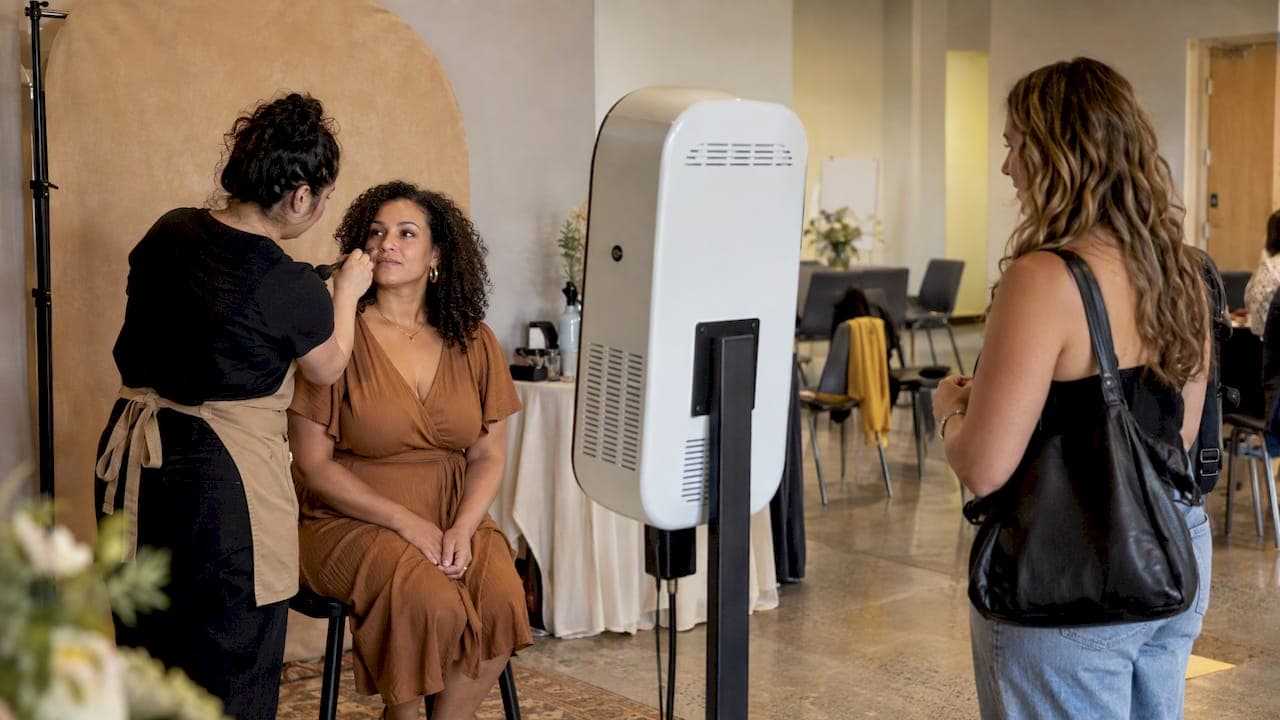
The strongest beauty brand events right now fall into six categories: pop-ups, hands-on workshops, sampling activations, influencer-first previews, immersive installations, and hybrid livestreams. The single principle that separates a forgettable afternoon from a lasting win is this: plan every activation as a content-generation engine and a community builder, not a one-day sales push. What follows are concrete ideas, a budget and logistics checklist, real examples, and the thinking behind why this approach works.
TL;DR:
- Choose three or four activations each year and repeat a format; recurring experiences build recognition better than introducing a different stunt every quarter.
- A local, minimally staffed activation can stay under $10,000; branded venues and paid promotion fit $10,000 to $75,000, while flagship production starts at $75,000.
- In 2026, 45% of consumer event marketers plan to capture more content; prepare a photographer brief, prompts, consent forms, and edits released that day.
- Follow up within 48 hours with a personal note or exclusive offer, then give attendees a loyalty perk or community space that encourages return visits.
Table of Contents
- 1. Twelve Instagrammable Activation Ideas Worth Stealing
- 2. How to Scope Budget, Logistics, and KPIs Before You Book a Venue
- 3. Real Examples Worth Studying Before You Plan Your Own
- 4. Why Community Outlasts a Single Event Day
- 5. What Most Event Planning Advice Gets Backwards
- 6. Let Us Help You Plan Your Next Activation
- FAQ
- Sources
1. Twelve Instagrammable Activation Ideas Worth Stealing
Beauty experiential marketing has shifted toward social-first design, where the goal is content and connection rather than a crowded room and a cash register. Experiential marketing in beauty now balances big anchor moments with smaller, repeatable experiences brands can own and run again. That shift shapes every idea below.
- Pop-up beauty bar. A short-term retail space with live demos drives trial and merchandise sales. Pick a high-footfall partner location, whether a mall corridor or a complementary retailer's storefront, since location does most of the work for foot traffic.
- DIY mixing or personalization station. Letting guests build their own blend or scent creates differentiation and near-guaranteed user-generated content. Pre-portion ingredients and have liability waivers ready before doors open.
- Micro-masterclasses. Skill-based workshops on contouring, skincare layering, or brow shaping pair education with email capture. Keep seats limited and offer a plus-one discount to fill the room without overcrowding it.
- Influencer preview house. A dedicated creator studio seeds content before launch day. Book a mix of micro-influencers for broader, more authentic reach rather than chasing a single big name.
- Immersive sensory installation. Scent, texture, and light work together to tell a brand's story physically. An experience designer keeps the elements cohesive instead of feeling like separate gimmicks stitched together.
- Guerrilla retail stunt. A surprise pop-in activation earns media coverage precisely because it's unexpected. Test logistics and permissions well ahead of time, since the surprise is for guests, not for the venue or the city.
- AR or virtual try-on kiosk. Tech-forward trial experiences draw curious foot traffic. Staff the kiosk properly and keep hygiene protocols visible and obvious.
- Sculptural photo moment or branded mural. A built-for-Instagram backdrop generates shareable content on autopilot. Give guests a clear photo prompt and a simple hashtag so the content actually surfaces online afterward.
- Personalization and engraving stations. Monogramming or custom packaging signals premium positioning. Offer a limited-run add-on to create urgency around the moment.
- Loyalty or VIP intimate events. Smaller gatherings for top customers build retention and lifetime value. Early access to a new drop is often the single best reason to attend.
- Mobile sampling tours. Kiosks that travel between malls or neighborhoods deliver trial volume at lower cost than a fixed venue. Prioritize data capture at every stop so the tour pays off beyond the day itself.
- Hybrid livestreamed launch. A small in-person audience paired with a livestream multiplies reach far beyond the room. Rehearse moderator flow and AV before the cameras go live.
- Surprise-and-delight swag drops. Unexpected gifts generate social buzz on their own. Design items that travel well and photograph nicely, since that's what earns the repost.
Pro Tip: Choose three or four of these per year rather than one of everything. A repeatable, well-run format builds recognition faster than a different stunt every quarter.
2. How to Scope Budget, Logistics, and KPIs Before You Book a Venue
Every idea above needs a budget band, a logistics plan, and a way to measure results before it becomes a real event on a calendar.
- Scrappy (under $10,000): a single activation, minimal staffing, DIY photo moment, and a tight guest list built around local micro-influencers.
- Mid-tier ($10,000 to $75,000): a branded venue rental, a small creator preview, professional photography, and paid promotion to extend reach beyond attendees.
- Flagship ($75,000 and up): multi-room programming, livestream production, influencer travel and lodging, and a dedicated content team on-site.
Logistics checklist: permits, sampling compliance, event insurance, accessibility accommodations, staffing ratios, and clearly assigned vendor roles so nothing falls through on event day.
45% of consumer event marketers plan to capture more content at live experiences in 2026, with giveaways and surprise moments rising in priority. That number alone makes the case for building a content workflow into the plan, not bolting it on afterward.
Primary KPIs to track: content assets produced, earned media impressions, email and text signups, influencer reach, and on-site conversion. A simple tracking plan might log asset count and signups daily during a multi-day activation, then compare against the same metrics from your last event.
On-site content kit: a photographer brief, a short list of UGC prompts, one brand hashtag, a consent and rights release at check-in, and a same-day edit plan so content goes live while the event is still fresh. Our guide to beauty brand UGC strategy walks through rights collection in more detail, and a vetted glam photo booth vendor can elevate the editorial quality of what guests walk away with.
3. Real Examples Worth Studying Before You Plan Your Own
Ulta Beauty World brought together 195 participating brands, more than 80 influencers, and roughly 1,500 or more ticketed attendees at $160 per ticket, with a swag-driven Glam Gateway entrance built for content and loyalty. Tata Harper's High Line activation leaned into sensory storytelling, using scent and setting to reinforce a luxury, nature-forward brand identity designed for sharing. A guerrilla retail stunt from a lower-budget brand like Blueland proved that social-first design can outperform scale when the concept is strong enough to travel on its own.
| Example | Scale | Standout element |
|---|---|---|
| Ulta Beauty World | ~1,500+ attendees, 80+ influencers, 195 brands | Ticketed festival model, $160 price point |
| Tata Harper High Line | Intimate, invite-based | Sensory storytelling tied to brand identity |
| Guerrilla retail stunt | Low-cost, small footprint | Social-first design, earned media over paid reach |
4. Why Community Outlasts a Single Event Day
We built our platform on the belief that beauty is a 360-degree, inside-out practice, which means an event's real value starts after the last guest leaves. Community turns a one-time attendee into someone who returns, refers a friend, and keeps engaging with a brand long after the swag bag is empty.
Inclusive programming, from shade-matching stations to wellness check-ins, signals that every guest belongs in the room, not just the ones who photograph best.
Pro Tip: Follow up within 48 hours with a personal note or exclusive offer. That window is when attendees are still emotionally connected to the experience.
— Ava
5. What Most Event Planning Advice Gets Backwards
Most advice on beauty events still treats attendance and sales as the finish line, which misses the actual return on investment. The data backs a different priority: experiential budgets are rising while influencer content creation grows and in-store rituals shrink, which tells us brands are already voting with their dollars for content and reach over foot traffic alone.

The overrated move is chasing scale for its own sake. A packed room photographs well, but a smaller, well-documented gathering with a clear content plan often produces more usable assets per dollar spent. The underrated move is designing for the second event before the first one ends: building an email list, a loyalty perk, or a private community space gives guests a reason to show up again.
If we prioritize one thing, it's this: decide what content you need before you decide what the event looks like. The venue, the decor, and the guest list should all serve the content and community goals, not the other way around.
— Ava
6. Let Us Help You Plan Your Next Activation
We connect beauty brands with the audience, experts, and partnerships that make activations work beyond a single day. Our platform offers brand visibility, expert collaboration, and a community built around women on their beauty journey.

Ready to plan your next event with support behind you? Explore partnership opportunities through our Experts & Partners page, or reach out directly through our Contact/Join page to start the conversation.
FAQ
What are some creative ideas for a beauty event?
Strong options include pop-up beauty bars, DIY mixing stations, micro-masterclasses, influencer preview studios, immersive sensory installations, and hybrid livestreamed launches. The best choice depends on your budget and whether your priority is trial, content, or loyalty.
What are some creative branding ideas for events?
Sculptural photo moments, branded murals, and personalization or engraving stations all reinforce brand identity while giving guests a reason to share. Pair a visual element with a simple hashtag and photo prompt so the branding travels naturally into social content.
What are some good business ideas for a beauty brand?
Mobile sampling tours, VIP loyalty previews, and personalization stations all build revenue while deepening customer relationships. Many brands also find success pairing product launches with content-focused experiential events rather than relying on paid advertising alone.
What are some creative ideas for promoting an event?
Partnering with influencers for pre-event content, offering UGC incentives like giveaways, and using ticketing tiers with exclusive perks all help drive attendance. Cross-promoting through a brand's own social channels, as outlined in our social media growth guide, extends reach well before doors open.
How do I make a beauty event inclusive for all guests?
Inclusive programming means shade-matching across a full range, seating and accessibility accommodations, and messaging that speaks to multiple ages and skin types rather than one narrow ideal. Our brand storytelling guide covers how to build that inclusivity into the brand narrative itself, not just the guest list.
Sources
- EventTrack 2026 (EventMarketer)
- Beauty’s new approach to experiential marketing (BeautyMatter)
- Experiential insights from Gradient’s Beauty IMPACT Report (Retail-Insider)
- Step inside the first-ever brand-packed Ulta Beauty World event (BizBash)