
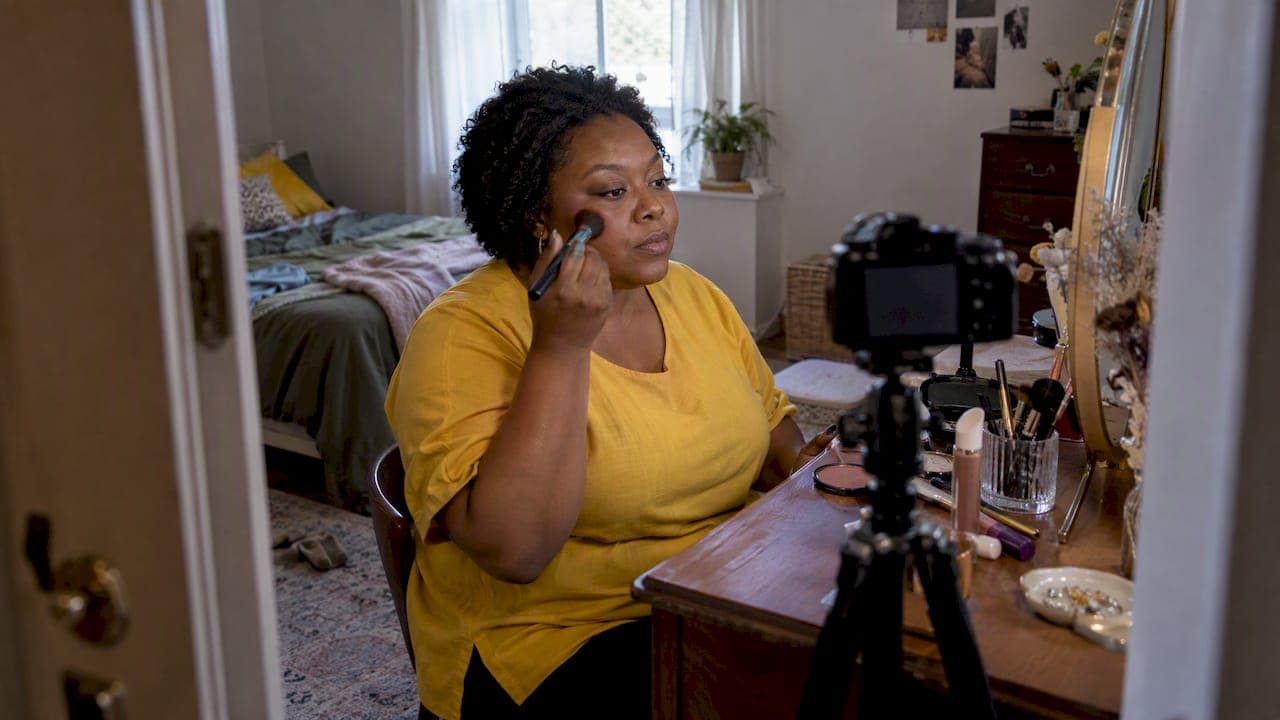
The strongest International Women's Day campaigns pair story-driven micro-moments with an official theme and a measurable follow-through plan, not a single post and a hashtag. UN Women's 2025 reporting found that 24% of countries said backlash has undermined the commitments needed to unlock equality, a sign that polished messaging alone no longer earns trust. We built this guide at The Ultimate Beauty - You! to help brand teams turn that urgency into action that holds up past March 8.
TL;DR:
- Start planning six to eight weeks before March 8, verify themes and hashtags through UN Women, and give regional teams time to adapt campaign assets.
- State the donation amount, recipient, and deadline, then review pay equity, leadership representation, and hiring practices before making public equality claims.
- Track engagement rates, donation conversion, email signups, and audience sentiment with link tracking; a brief survey afterward can test perceived authenticity.
- Build representation through community partnerships, feature women across skin tones, ages, body types, and abilities, and give creators meaningful input.
Table of Contents
- Recent IWD Campaigns Worth Studying Before You Plan Yours
- Building Your IWD Campaign: A Step-by-Step Timeline
- Avoiding Pinkwashing: What Makes an IWD Message Credible
- Where to Find Official IWD Assets and Partner Resources
- Strategies for Reaching Women Across Different Communities
- Creative Content Ideas Built for Beauty and Wellness Brands
- Partnering with Influencers and Experts for Authentic Reach
- Why One-Off Posts Won't Build the Trust Brands Want
- An Adjacent Place to Extend Your IWD Momentum
- FAQ
- Sources
Recent IWD Campaigns Worth Studying Before You Plan Yours
A few recent activations show what a well-built International Women's Day campaign looks like in practice, and each one offers a tactic you can adapt at a smaller scale.
- Product drop with a donation layer: L'Oréal Paris Canada's 'Sisterhoodie' campaign paired a limited-edition item with experiential pop-ups and proceeds directed to a cause, reinforcing a brand tagline while giving the purchase a purpose beyond the product itself.
- Employee micro-stories: Short, vertical-video interviews with women on a team, shared daily through the week of March 8 rather than dumped as one long reel, build a cumulative narrative instead of a single spike in attention.
- Fundraiser integration tied to a theme: Campaigns that connect a purchase or signup to a named cause, with a clear dollar target and deadline, tend to read as more credible than a vague "proceeds will be donated" line.
- Out-of-home storytelling: Billboards or transit ads featuring real community members, not stock photography, extend a digital campaign into physical spaces where it gets a second life as user-generated content.
- UGC-driven nomination programs: Inviting a community to nominate women who shaped their confidence or careers generates authentic content and gives a brand a reason to spotlight real people instead of talent.
- Easter-egg storytelling on product pages: Embedding a short origin story or a founder's quote into existing product pages during IWD week costs little to build and rewards customers who are already browsing.
- Influencer-led spotlight series: Partnering with a handful of creators to each profile one woman in their field turns a single campaign into several smaller, trust-rich stories distributed across different audiences.
- In-store or in-app takeovers: Temporary signage, checkout messaging, or app banners that highlight the campaign's cause keep the moment visible to people who never see the social posts.
- Live panel or Q&A events: Hosting a short virtual panel with experts or community leaders gives a campaign a real-time, two-way format instead of one-way broadcasting.
The common thread across these formats is alignment with a stated goal, whether that goal is awareness, donations, signups, or engagement, and a few explicitly tied their messaging to an official theme or fundraising model rather than inventing their own, which matters for credibility given how often brands have been caught using unaffiliated sources. In fact, the Guardian reported that a London marketing firm operates internationalwomensday.com and that many brands mistakenly treated it as UN-affiliated, which triggered public criticism. Before adopting any theme or hashtag, confirm it traces back to UN Women's official announcements.
Building Your IWD Campaign: A Step-by-Step Timeline
A campaign built in the final week before March 8 will feel rushed, and your audience will notice. Give yourself ample time and follow a sequence that moves from internal alignment to public launch to the follow-through that actually earns trust.
- Brief your team and leadership on the campaign's purpose, budget, and the internal approvals needed before anything goes live.
- Confirm your theme source against UN Women's official page rather than an unverified third-party site.
- Set creative pillars around two or three stories or causes, not a scattershot list of unrelated messages.
- Build your channel plan across social, email, in-store, and owned content, matching each format to where your audience already spends time.
- Lock partner and fundraising mechanics, including the exact donation amount, deadline, and recipient organization, stated publicly and in writing.
- Localize and finalize assets well before launch, giving regional teams time to adapt language and imagery.
- Launch a week of micro-moments leading into March 8, rather than one post on the day itself.
- Measure and report back in the weeks that follow, closing the loop with your audience on what the campaign actually achieved.
Track engagement rate, donation conversion, email signups, and audience sentiment, and use UTM tagging on every link so you know which channel actually drove action. A short post-campaign survey can tell you more about perceived authenticity than any vanity metric.
Pro Tip: Schedule at least one follow-up post for some time after March 8 that reports the campaign's actual results, since that single act of transparency does more for credibility than the launch content itself.
Avoiding Pinkwashing: What Makes an IWD Message Credible
Pinkwashing happens when a brand's public International Women's Day messaging outpaces what it actually does internally for women. Marketing experts have warned that this gap can backfire, noting that authenticity depends on whether pay equity, leadership representation, and hiring practices actually match the public message.
Three checks can help you avoid that gap:
- Review pay transparency internally before publishing a message about equality externally.
- Match your spokespeople to your claims, choosing voices who reflect the representation you're promoting.
- State donation terms clearly, including the amount, the recipient, and the deadline, instead of a vague promise to "give back."
Skip the single-day sales push with no stated cause, and skip vague language like "a portion of proceeds" with no number attached. A dated, specific commitment reads as credible where a general gesture does not. Nearly a quarter of countries, 24% according to UN Women, reported that backlash has already undermined progress on gender equality commitments, which is exactly the climate where vague gestures get called out fastest.
Where to Find Official IWD Assets and Partner Resources
Pull your social cards, countdown graphics, and email signatures from UN Women's official International Women's Day page rather than an unverified aggregator, and keep the current year's hashtag consistent across every asset you publish.
- Use official toolkits as a starting point, then adapt colors and copy to your own brand voice while keeping the core message intact.
- Credit UN Women where an asset requires attribution, and double-check the source before you repost a theme you found through search.
- Bring in nonprofit speakers or grassroots groups when your campaign needs lived experience your internal team doesn't have.
- Work with creative agencies for execution at scale, and merch or printing partners when a physical product is part of the plan.
Strategies for Reaching Women Across Different Communities
A campaign that speaks to one slice of women rarely earns trust from the rest. Building a genuinely inclusive International Women's Day activation means thinking past age and geography toward race, culture, ability, and economic background.
Start by asking who is missing from your current content library, then close that gap with real partnerships instead of a single diverse stock photo. A merchandise or gifting collaboration with a culturally specific creator, such as sourcing art gifts that directly support Black artists, gives a campaign specificity that generic messaging can't match, and it puts money directly into the hands of the community being represented.
UN Women's own guidance points to the same principle at a larger scale: activists interviewed on supporting women's rights stressed educating audiences, donating to grassroots organizations, amplifying marginalized voices, and holding leaders accountable, rather than relying on broad, one-size-fits-all statements.
For beauty and wellness brands specifically, this can mean featuring women across skin tones, body types, ages, and ability in every asset, not just the hero image, and sourcing products or stories from founders within the communities you're trying to reach. A campaign built this way tends to outlast the week it launches, because the relationships behind it don't disappear once March 8 passes.

Creative Content Ideas Built for Beauty and Wellness Brands
Beauty and wellness campaigns have a natural advantage during International Women's Day: the products themselves can carry the story. A limited-edition shade, scent, or packaging design named after a cause or community figure gives customers a tangible way to participate, not just a post to like.
Wellness-specific partnerships add another layer. Pairing a campaign with a product like sustainable, leak-proof period underwear connects the messaging to an issue many women deal with quietly, and a gift bundle built around self-care tools people actually use turns a marketing moment into something practical rather than performative.
Other formats worth testing include a week-long tutorial series featuring women from different backgrounds sharing their own routines, a founder story thread woven into product pages, or a short documentary-style video following one woman's relationship to beauty and confidence over time. For more structured guidance on building these narratives, our storytelling guide for beauty marketers breaks down frameworks that hold up across formats, and our overview of the content types women actually engage with can help you choose where to invest production time this year.
Partnering with Influencers and Experts for Authentic Reach
The right collaborator can carry an International Women's Day message further than paid media alone, provided the partnership feels earned rather than rented for a week. Micro-influencers with smaller, highly engaged audiences often outperform larger names on trust, which matters most when the topic is personal. Our breakdown of how micro-influencers perform in beauty marketing is a useful starting point for identifying who fits your campaign's tone.
Experts bring a different kind of credibility: a dermatologist, therapist, or nutritionist speaking to the wellness side of a campaign grounds it in something beyond marketing language. Pairing an expert's short video or quote with a creator's personal story gives a campaign both authority and warmth.
When structuring these collaborations, give partners real creative input rather than a script to read, and be transparent about compensation and any cause tie-in, since audiences increasingly expect that disclosure. For brands running a user-generated piece alongside influencer content, our UGC playbook outlines how to structure a contest or submission campaign that keeps the content authentic rather than staged.

Why One-Off Posts Won't Build the Trust Brands Want
Most International Women's Day campaigns fail quietly, not because the creative was weak, but because the commitment ended immediately after International Women's Day. A single post, however well made, asks an audience to believe a brand cares about women's progress for a brief moment each year.
The brands that build real credibility treat March 8 as a checkpoint inside a longer calendar of micro-moments, not the whole campaign. A beauty brand that ran a short series spotlighting different women each week through March, then followed up later with a report on what the campaign actually funded, earns more trust than one that posted once and moved on. That follow-through is the part most plans skip, and it's the part audiences remember.
If you're building a longer-term approach to women-centered programming, our resources at The Ultimate Beauty - You! go beyond a single campaign cycle.
— Ava
An Adjacent Place to Extend Your IWD Momentum
Running a strong March 8 moment is one thing. Keeping that momentum alive all year is where most brands run out of ideas, and that's the gap we built The Ultimate Beauty - You! to fill. We connect beauty, wellness, and lifestyle brands with a women-centered community looking for trusted experts, products, and ongoing conversation, not just a seasonal campaign.

- Explore partnership options on our Experts & Partners page if you want ongoing visibility with our audience.
- Browse our blog for more strategy guides on sustained, community-backed campaigns.
We are a place to keep the relationships your IWD activation started actually growing. Visit The Ultimate Beauty - You! to see how a partnership might fit your brand's longer-term plans.
FAQ
What is the 2026 International Women's Day theme?
The 2026 IWD campaign theme is "Give To Gain," which centers women-focused fundraising and encourages organizations to build giving and resource-sharing into their activities. Separately, UN Women's 2026 messaging emphasizes "Rights. Justice. Action," so confirm which theme source your campaign is aligning with before you publish.
How do I avoid pinkwashing in my IWD campaign?
Pinkwashing happens when public messaging about women's equality doesn't match a brand's internal practices on pay, leadership, and hiring, a gap marketing experts have warned can damage trust. Review your own internal equity data before publishing external claims, and make any donation terms specific and time-bound rather than vague.
When should I start planning an International Women's Day campaign?
Most well-executed campaigns start six to eight weeks before March 8, allowing time for theme confirmation, creative development, and partner coordination. Building in a follow-up report for some time after the date is just as important as the launch itself.
How do I make sure my IWD theme is official and not from an unaffiliated source?
Confirm any theme or hashtag against UN Women's official announcements rather than a third-party site. Reporting from the Guardian found that a UK marketing firm runs a site many brands mistakenly believed was UN-affiliated, so verifying the source matters for credibility.
What metrics should I track for an IWD campaign?
Track engagement rate, donation conversion, email signups, and audience sentiment using UTM-tagged links to identify which channel drove the most action. A short post-campaign survey can also reveal whether your audience perceived the activation as authentic.
Sources
- Untf
- International Women’s Day 2025 – For ALL women and girls: Rights. Equality. Empowerment. | UN Women – Headquarters
- L’Oréal Paris Canada Celebrates International Women's Day with Limited-Edition ‘Sisterhoodie’ — LBB