
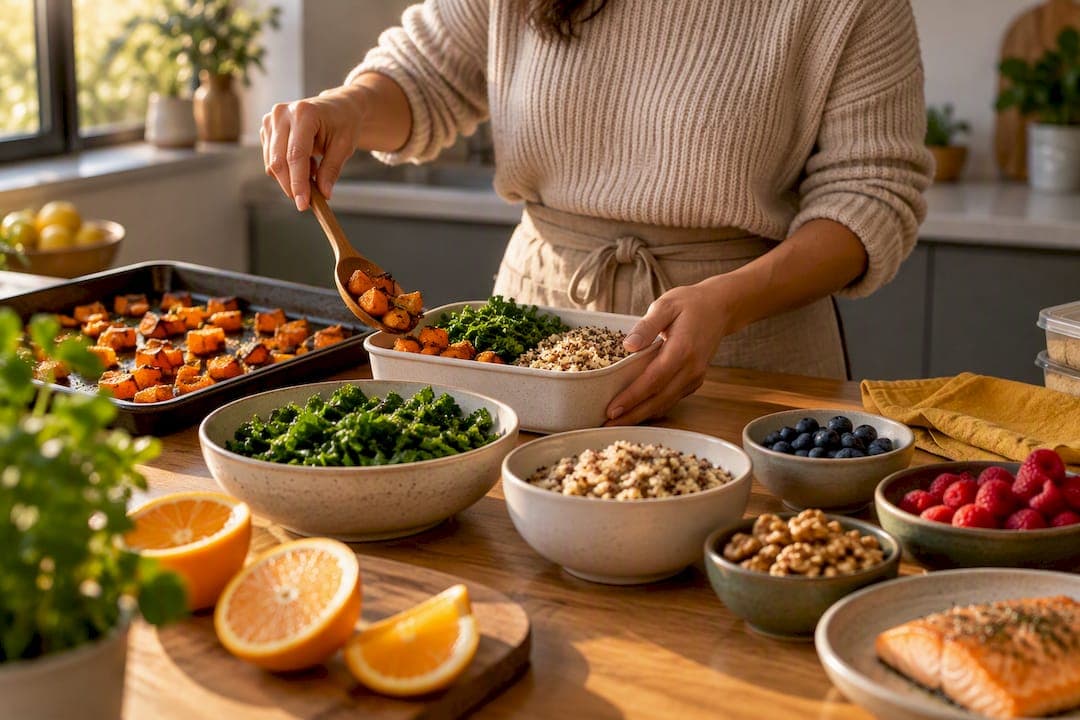
For visibly healthier, glowing skin, prioritize a whole-food, low-glycemic eating pattern built around antioxidants, essential fatty acids, and adequate protein. That combination supports collagen production, calms inflammation, and reinforces your skin's barrier from the inside. The sections ahead break down exactly which nutrients matter, which foods deliver them, and how to build a week of meals around this approach.
TL;DR:
- Consuming omega-3-rich fatty fish and berries twice weekly provides measurable improvements in skin hydration, barrier strength, and resistance to sun damage.
- Including vitamin C sources like citrus and bell peppers supports collagen synthesis and helps neutralize UV-related free radicals.
- Eating a balanced diet around colorful vegetables, nuts, legumes, and whole grains promotes skin health without relying on restrictive or processed foods.
- Cooking methods such as steaming and lightly sautéing preserve heat-sensitive nutrients like vitamin C and polyphenols, enhancing their skin benefits.
- Small, consistent dietary swaps, like adding frozen berries or nuts to daily meals, lead to sustainable improvements in skin glow over several weeks.
Table of Contents
- Nutrition for Glowing Skin: The Nutrients That Actually Move the Needle
- What Foods Should You Eat for Glowing Skin?
- A Flexible 7-Day Meal Framework for Radiant Skin
- How to Eat for Glowing Skin: Timing and Cooking Tricks That Matter
- Do You Need Supplements, or Is Food Enough?
- How Long Until Your Skin Actually Changes?
- Quick Recipes That Put This Guide Into Practice
- Ava's Perspective: Small, Sustainable Swaps Beat Perfection
- Find Meal Plans and Expert Guidance With Theultimatebeauty-you
- Sources
- FAQ
Nutrition for Glowing Skin: The Nutrients That Actually Move the Needle
Not every nutrient earns a place on your plate for the same reason. Some rebuild structure. Some calm irritation. Some protect what you've already built. Understanding the job each one does makes it easier to choose foods with intention instead of guessing.
Vitamin C is the collagen worker. Your body cannot synthesize collagen without it, and it also helps neutralize UV-driven free radical damage before it breaks down existing collagen fibers. Citrus, bell peppers, and strawberries are the highest-yield sources.
Vitamin A and carotenoids regulate how quickly skin cells turn over and shed, which is part of why a dull, flaky complexion often improves with more orange and dark green produce. Beta-carotene from carrots and sweet potatoes converts to vitamin A as your body needs it.
Vitamin E, selenium, and zinc work as cofactors and antioxidant partners. Vitamin E protects cell membranes from oxidative stress, selenium supports your body's own antioxidant enzymes, and zinc plays a role in wound healing and oil regulation. Nuts, seeds, and shellfish cover this trio efficiently.
Omega-3 fatty acids, found in fatty fish and walnuts, support the lipid barrier that keeps moisture in and irritants out. Clinical research on EPA and DHA has found measurable reductions in redness and improved resistance to sun-related skin damage, which matters for anyone dealing with reactive or easily flushed skin.
Protein and collagen peptides supply the raw amino acids your skin uses to rebuild its own structural proteins. Without enough dietary protein, your body has nothing to work with, regardless of how many antioxidants you're eating.
Polyphenols, the pigment compounds in berries, green tea, and dark chocolate, fight oxidative stress and appear to support barrier integrity.
A systematic review and meta-analysis of dietary interventions found measurable improvements across wrinkle depth, hydration, barrier integrity, and elasticity from collagen, dietary lipids and fatty acids, polyphenols, and probiotics. Lipids and polyphenols showed some of the broadest benefits across these outcomes.
Here is the short list worth memorizing:
- Vitamin C: citrus, bell peppers, strawberries, broccoli
- Vitamin A/carotenoids: carrots, sweet potato, spinach, kale
- Vitamin E: almonds, sunflower seeds, avocado
- Selenium and zinc: Brazil nuts, oysters, pumpkin seeds
- Omega-3s: salmon, sardines, walnuts, flaxseed
- Polyphenols: blueberries, green tea, dark chocolate
What Foods Should You Eat for Glowing Skin?
Think in terms of daily building blocks rather than isolated superfoods. A Mediterranean-style pattern rich in vegetables, legumes, nuts, whole grains, and unsaturated fats has repeatedly correlated with better skin-aging outcomes, and it happens to be one of the easiest patterns to sustain long term because nothing on it feels restrictive.
Build most plates around these groups:
- Colorful vegetables (peppers, carrots, spinach, tomatoes) for carotenoids and vitamin C
- Berries, one to two cups daily, for polyphenols and fiber
- Fatty fish like salmon or sardines, roughly two servings per week, for omega-3s
- Nuts and seeds, a small handful daily, for vitamin E and zinc
- Whole grains (oats, quinoa, farro) for steady energy and B vitamins
- Legumes for plant protein and fiber
- Fermented foods like yogurt, kefir, or sauerkraut for probiotic support
Hydration matters, but the "eight glasses a day" rule is a guideline, not a mandate. Your actual need shifts with activity, climate, and how much water-rich produce you're already eating. Cucumber, watermelon, celery, and oranges all count toward hydration and bring nutrients water alone doesn't.
The flip side matters just as much as what you add. Kaiser Permanente's guidance on skin-friendly eating points to minimizing added sugars, refined carbohydrates, and ultra-processed foods, since blood sugar spikes are linked to collagen breakdown and can aggravate inflammatory skin conditions like acne. That doesn't mean never having dessert. It means your everyday baseline should lean toward whole foods, with processed treats staying occasional rather than habitual.
Pro Tip: Keep a bag of frozen berries and a bag of frozen spinach on hand at all times. Between the two, you can add a real dose of polyphenols and carotenoids to breakfast or dinner in under a minute, no chopping required.
A Flexible 7-Day Meal Framework for Radiant Skin
You don't need a rigid meal plan to eat well for your skin. You need a repeatable structure you can rotate ingredients through. Use this framework as a template, not a script, swapping proteins and produce based on what's fresh and what you actually like.
- Monday: Greek yogurt with berries and walnuts; lentil and roasted vegetable bowl; baked salmon with sautéed spinach and quinoa
- Tuesday: Vegetable omelet with avocado; whole-grain wrap with hummus, spinach, and bell peppers; grilled chicken with sweet potato and broccoli (swap tofu for a plant-based version)
- Wednesday: Overnight oats with chia seeds and sliced strawberries; sardine salad with mixed greens and olive oil; stir-fried tofu with carrots, snap peas, and brown rice
- Thursday: Smoothie with spinach, frozen mango, and almond butter; turkey and vegetable soup; baked cod with roasted Brussels sprouts
- Friday: Cottage cheese with pineapple and pumpkin seeds; quinoa salad with chickpeas, cucumber, and feta; salmon tacos with cabbage slaw
- Saturday: Whole-grain toast with mashed avocado and tomato; grilled shrimp bowl with brown rice and edamame; lentil curry with steamed greens
- Sunday: Chia pudding with kiwi and coconut flakes; leftover-night grain bowl; roasted chicken with root vegetables (or a white bean stew for a vegetarian version)
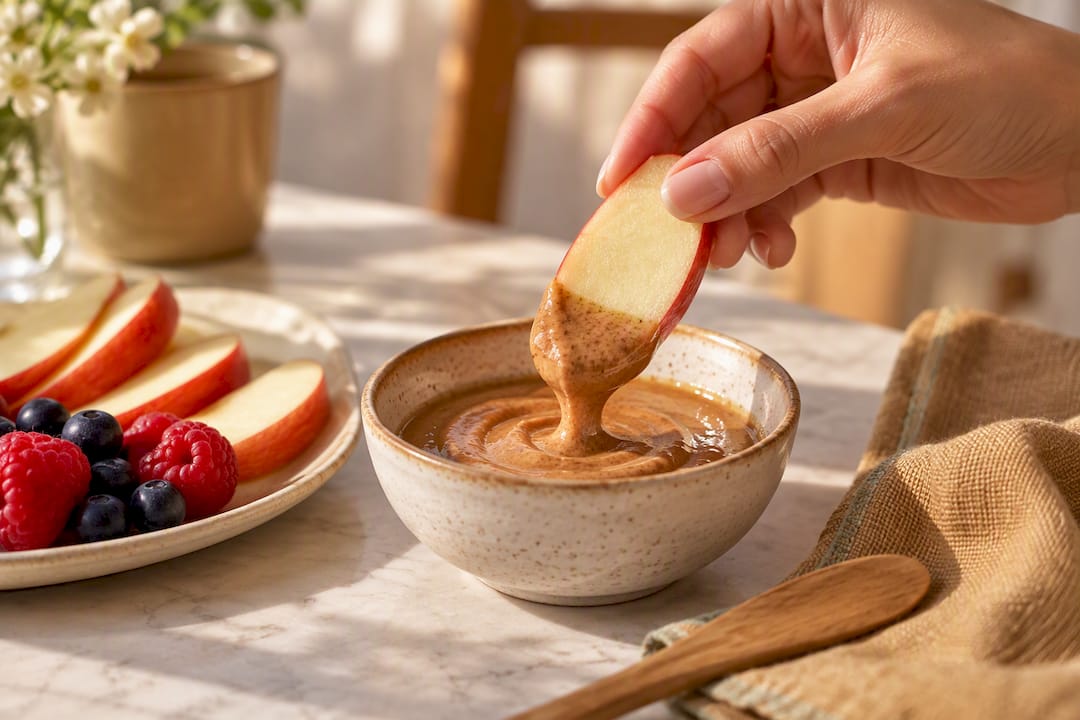
Two snacks a day fill the gaps: a handful of mixed nuts, sliced cucumber with hummus, an apple with almond butter, or a small bowl of berries with dark chocolate shavings.
Batch-cook grains and roast a large tray of vegetables on Sunday. Having quinoa, brown rice, and roasted vegetables ready in the fridge cuts weeknight prep down to assembly, which is usually the difference between sticking with this pattern and abandoning it by Wednesday.
How to Eat for Glowing Skin: Timing and Cooking Tricks That Matter
How you combine and cook foods changes how much benefit you actually absorb. Pairing carbohydrates with protein and fat slows digestion and blunts the blood sugar spike that a low-glycemic pattern is designed to avoid, so a piece of fruit alone hits differently than that same fruit next to a spoonful of nut butter.
Carotenoids are fat-soluble, meaning your body absorbs more beta-carotene and lycopene from a salad dressed with olive oil than from the same vegetables eaten dry. A drizzle of olive oil or a few slices of avocado on your vegetables isn't a garnish; it's what makes those nutrients bioavailable in the first place.
Cooking method matters too. Vitamin C and polyphenols are heat-sensitive and break down with prolonged cooking, so shorter cooking times preserve more of both. Adding a squeeze of lemon or lime after cooking, rather than during, keeps more vitamin C intact.
- Pair carbs with protein or fat at every meal
- Choose lower-glycemic carbs (oats, legumes, whole grains) over refined ones
- Add a fat source to every vegetable-heavy meal
- Steam or lightly sauté instead of boiling vegetables for extended periods
Pro Tip: Skip crash diets entirely. Sharp calorie restriction can show up on your face before it shows up on the scale, since skin is one of the first tissues to reflect nutrient shortfalls. A steady, adequate calorie pattern outperforms restriction every time.
Do You Need Supplements, or Is Food Enough?
Whole foods should be your foundation, and supplements should fill specific gaps rather than replace real meals. The same meta-analysis on dietary interventions in skin aging found that collagen peptides, omega-3s, polyphenol extracts, and probiotics each improved distinct outcomes: collagen for wrinkle depth, fatty acids for elasticity and hydration, polyphenols for barrier integrity, probiotics for hydration.
That's a real signal for supplementation, but it comes with a caveat: these were adjuncts to diet, not replacements for it. If you're already eating fatty fish twice a week and a cup of berries daily, an omega-3 or polyphenol supplement may add little. If you rarely eat fish or produce, that's where supplementation earns its place.
Some early industry research on combining oral supplements with topical skincare and the role of nail care in appearance and confidence suggests the pairing may outperform either approach alone, reinforcing that nutrition and skincare work best as partners, not substitutes for each other.
- Collagen peptides: reasonable for those wanting a wrinkle-focused boost
- Omega-3 supplements: useful if you eat fish less than twice weekly
- Probiotics: worth considering if fermented foods aren't part of your routine
- Always check dosing and potential interactions with a clinician before starting any high-dose supplement
How Long Until Your Skin Actually Changes?
Skin cell turnover takes roughly four weeks, which is why dietary changes never show up overnight. Hydration and reduced redness are often the first visible signs, sometimes within two to three weeks, while structural changes like fine lines take longer since collagen remodeling is a slower process.
Diet alone won't get you there fastest. Because the outer epidermis has no blood supply of its own, it relies on nutrients delivered through the dermis, which is part of why pairing consistent eating with daily sunscreen, sufficient sleep, and stress management accelerates and locks in results.
Quick Recipes That Put This Guide Into Practice
You don't need elaborate cooking skills to apply any of this. A handful of repeatable staples covers most of what your skin benefits from.
- Omega-3 salmon dinner: Bake salmon with olive oil, lemon (added after cooking), and a side of sautéed spinach.
- Antioxidant smoothie: Blend spinach, frozen blueberries, Greek yogurt, and a spoonful of ground flaxseed.
- Carotenoid-boosting salad dressing: Whisk olive oil, apple cider vinegar, and a touch of Dijon mustard over a bed of carrots, spinach, and bell peppers.
- Zinc-rich snack: Pumpkin seeds mixed with dried cranberries for a quick handful between meals.
- Fermented side: A small bowl of kefir or plain yogurt with a drizzle of honey and chopped walnuts.
Prep the smoothie ingredients in freezer bags ahead of time so all you're doing each morning is blending. For higher-calorie needs, add an extra tablespoon of nut butter or half an avocado to any of these; for lighter portions, halve the fat additions and keep the produce the same.
Ava's Perspective: Small, Sustainable Swaps Beat Perfection
The women who see real change aren't the ones who overhaul everything overnight. They're the ones who swap one processed snack for berries and nuts, consistently, for weeks. That's inside-out beauty in practice: small, repeatable choices that compound.
Pair those swaps with sleep and stress care, and food stops feeling like a chore. It becomes part of how you show up for yourself.
— Ava
Find Meal Plans and Expert Guidance With Theultimatebeauty-you
Building a nutrition pattern for your skin is easier with a plan already in hand than with a blank grocery list. Theultimatebeauty-you gives women a curated space for expert-backed meal guidance, wellness resources, and a community that's already living this inside-out approach, so you're not piecing advice together from a dozen scattered sources.

The platform's experts and partners contribute practical, real-world guidance alongside broader beauty and wellness content, and the products page has structured resources for readers who want templates rather than starting from scratch. If you're ready to turn this guide into an actual weekly habit, visit Theultimatebeauty-you and explore what fits your stage of life right now.
Sources
- Dietary interventions in skin ageing: a systematic review and meta-analysis
- Skin-friendly diet: learn what to eat and what to avoid | Kaiser Permanente
This article is general information, not a substitute for advice from a qualified doctor. Consult a qualified healthcare professional about your own circumstances before acting on anything here.
FAQ
Which Nutrition Approach Is Best for Glowing Skin?
A whole-food, low-glycemic pattern rich in colorful vegetables, fatty fish, berries, nuts, and legumes is the best-supported approach. This pattern supplies the vitamin C, omega-3s, and polyphenols your skin uses for collagen production and barrier repair, as shown in research on dietary interventions in skin aging.
What Foods Make Your Skin Glow?
Fatty fish, berries, leafy greens, nuts, seeds, and fermented foods top the list because they combine omega-3s, antioxidants, and probiotics in one package. Adding healthy fats like olive oil or avocado alongside these foods also improves absorption of skin-supporting carotenoids.
What Foods Make Your Face Glow Specifically?
Foods rich in carotenoids, like carrots, sweet potatoes, and spinach, directly support the skin-cell turnover that gives the complexion a brighter, more even look. Pairing them with a fat source, such as olive oil, helps your body absorb those carotenoids more efficiently.
How Can I Increase My Skin's Glow Naturally?
Focus on consistent intake of antioxidants, omega-3 fatty acids, and adequate protein while cutting back on added sugars and ultra-processed foods, which are linked to collagen breakdown. Give it at least four weeks, since that's roughly how long skin cell turnover takes to show visible results, and pair your eating pattern with sunscreen and sufficient sleep for faster, longer-lasting change.
Does Theultimatebeauty-you Offer Meal Plans for Skin Health?
Readers can find expert-created content and structured resources, including meal-plan style guidance, through Theultimatebeauty-you's products page. Current offerings and pricing are listed directly on the site.