
Product seeding works. Send the right product to the right person with zero strings attached, and you get authentic content, real trial, and word of mouth for a fraction of what paid partnerships cost. It should be a repeatable channel for any brand with a product worth talking about, not a one-time PR stunt.
Start here, today:
- Set one goal. Pick UGC volume, awareness, or trial-to-conversion. Don't chase all three in your first wave.
- Choose one tier. Nano and micro creators (roughly 1,000 to 100,000 followers) post at far higher rates than mega influencers.
- Track one metric. Post rate is your north star for the first 90 days.
A well-built list can hit 25 to 40 percent coverage within 21 days, and personalized outreach converts at 15 to 30 percent versus 1 to 3 percent for generic blasts. That gap is where most seeding budgets go to waste.
Key Takeaways
Product seeding succeeds when brands pair tier-appropriate creator selection with personalized outreach, camera-ready packaging, and a tracked, multi-touch follow-up cadence.
| Point | Details |
|---|---|
| Prioritize customers and small tiers | Existing customers, nano, and micro creators post at higher rates than mega influencers. |
| Personalize every message | Specific post references and stated reasons for outreach lift conversion from roughly 1 to 3 percent up to 15 to 30 percent. |
| Send more than once | A third send to the same creator can push coverage to 45 to 65 percent. |
| Design for the camera | Insert cards, a tactile extra, and a quick-start guide raise the odds of a spontaneous post. |
| Fix fulfillment before scaling | Batch waves of 25 to 100 and bucket inventory to avoid the operational chaos tax. |
| Use Theultimatebeauty-you for warmer reach | Experts & Partners connects brands to an engaged beauty and wellness audience for managed seeding conversations. |
Table of Contents
- What Is a Product Seeding Strategy, Exactly?
- Who Should You Send Product To?
- How Do You Personalize Outreach Without Burning Weeks?
- What Cadence and Follow-Up Schedule Actually Work?
- How Should You Design Packaging for Organic Posts?
- How Do You Scale Fulfillment Without Losing Control?
- What KPIs Should You Track and Report?
- How Do You Budget Seeding Across a Full Year?
- How Does This Fit a Beauty and Wellness Brand's Broader Program?
- Sources
What Is a Product Seeding Strategy, Exactly?
Product seeding is the practice of sending free product to creators, customers, or media, with no payment and no contractual obligation to post. The recipient decides, on their own, whether the product earns a mention. That's the defining line between seeding and every paid alternative.
Gifting is often used as a synonym, but sponsored posts and paid partnerships require a contract, deliverables, and usually a fee or affiliate commission. Seeding trades that certainty for authenticity and a much lower cost per touch.
The primary objectives of a seeding program are:
- Generating organic user-generated content (UGC) you can reuse in ads and on-site
- Building category awareness among a creator's existing audience
- Driving low-cost trial that converts into paid customers over time
Seeding is the right call when your product is visually interesting, genuinely good, and inexpensive enough to mail in volume. Paid partnerships make more sense when you need guaranteed deliverables, a specific launch date, or reach with a creator whose audience doesn't already have organic affinity for your category. Most mature influencer marketing programs run both, with seeding filling the top of the funnel.
Who Should You Send Product To?
Recipient selection determines your post rate more than anything else in the program. Build your list in this order:
- Existing customers with a following. People who already bought and love the product convert to posts at the highest rate of any segment, because the endorsement is already true before you send anything.
- Nano creators (1,000 to 10,000 followers). Highly engaged, low-cost, and often flattered to be noticed. Ideal for volume testing.
- Micro creators (10,000 to 100,000 followers). The conversion sweet spot for most brands, with engagement rates commonly landing between 2 and 8 percent.
- Mid-tier creators (50,000 to 150,000 followers). Fewer sends, higher production value, useful once your packaging and offer are dialed in.
Apply four filters before anyone makes the list: they've posted in your category recently, their engagement looks real rather than bot-inflated, their visual style matches your brand aesthetic, and (for customers) they've already purchased. Our guide to micro-influencers in beauty breaks down why this tier outperforms bigger names for trial-driven categories.
To find creators hiding inside your own customer list, cross-reference order data against social handles collected at checkout or through post-purchase surveys. Brands that start with existing customers first consistently see the fastest path to usable content.
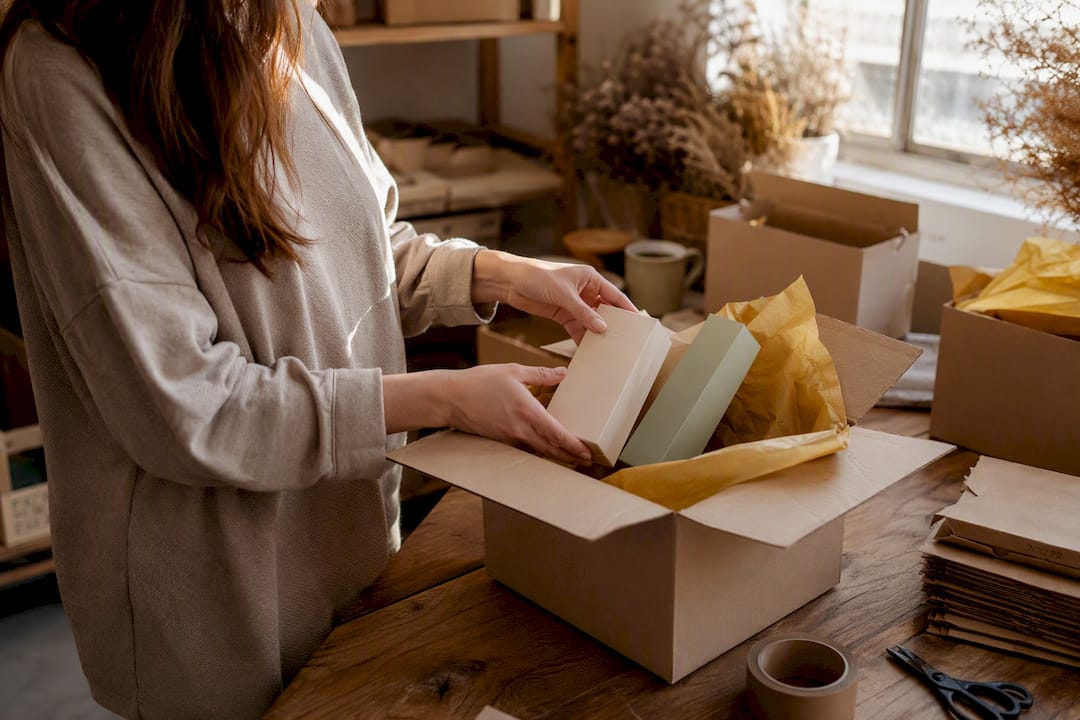
Pro Tip: Before you build a spreadsheet of "influencers to contact," build one of "customers who already tagged us." That second list converts faster and costs nothing to acquire.
How Do You Personalize Outreach Without Burning Weeks?
A working seed list needs five filters: tier fit, recent category activity, real engagement, visual alignment, and purchase history where available. Skip any one of these and your post rate drops fast.
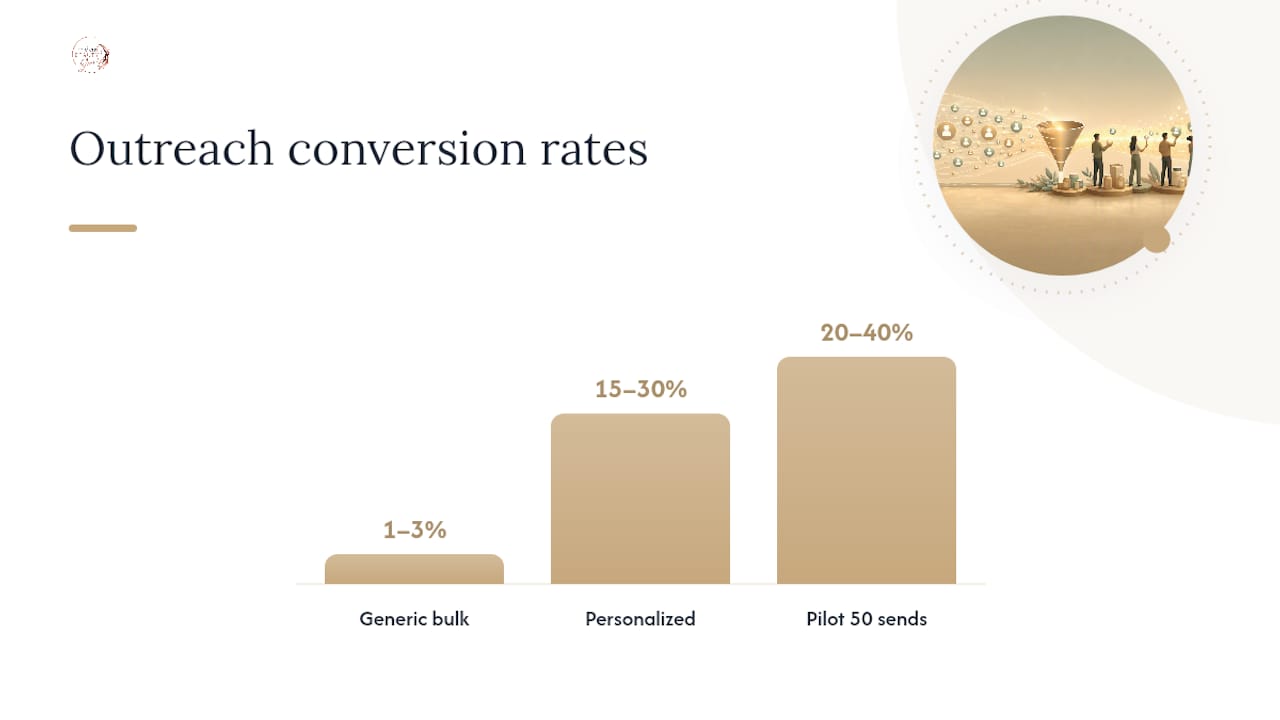
Personalization is the highest-leverage move in the entire program. Generic bulk messages convert at 1 to 3 percent. Messages referencing a specific post, explaining why you chose that creator, and connecting the product to something they already post about convert at 15 to 30 percent, roughly ten times better for the same list.
Build one template with variable slots instead of writing from scratch every time:
- Specific post reference: "Your Tuesday reel on [topic] is exactly the vibe we had in mind."
- Why them: one sentence connecting their content style or audience to your product.
- Product fit: what you're sending and why it fits their existing content, not a generic feature list.
- Soft ask: "no obligation to post, just wanted this in your hands."
A pilot run of 50 recipients with a 7 to 10 minute personalization budget per message typically produces a 20 to 40 percent post rate when targeting is accurate. That's the number to benchmark your own list against before you scale volume.
Time budget matters here. Ten minutes per creator sounds slow until you compare it against the conversion gap. Fifty personalized sends at ten minutes each is roughly eight hours of work, and it should outperform 500 generic sends by a wide margin.
What Cadence and Follow-Up Schedule Actually Work?
Seeding isn't a single email. It's a short sequence with defined checkpoints:
- Initial outreach. Personalized message with the variable slots filled in, sent through DM or email depending on where the creator is most responsive.
- Ship confirmation. A quick note when the package goes out, with tracking if the order value justifies it.
- 3 to 5 day delivery check. A brief, no-pressure message confirming the package arrived and offering to answer questions.
- 7 to 14 day nudge. A soft check-in, never a demand. Something like "no pressure at all, just curious what you thought" keeps the relationship warm without crossing into a paid ask.
Keep every message in this sequence genuinely low-pressure. The moment you demand a post by a deadline, you've functionally created a paid partnership and should treat it, and disclose it, that way under FTC guidance.
If a creator posts organically and the content performs, that's your signal to introduce an affiliate link or a paid collaboration for future launches. Don't lead with a paid offer on send one. It undercuts the authenticity that made seeding worth doing.
The multi-touch effect is real and underused. A second send to the same creator lifts coverage to roughly 30 to 45 percent, and a third send can push coverage to 45 to 65 percent. Most brands treat seeding as a single transaction and leave that lift on the table entirely.
How Should You Design Packaging for Organic Posts?
The unboxing moment is where a lot of seeding programs quietly fail. A generic shipping box with a bill of lading and nothing else gives a creator zero reason to film.
Design for the camera first:
- A branded box or mailer with color and texture that photographs well under normal phone lighting
- One insert card with a single, clear call to action, not four competing messages
- A small tactile extra, like a sticker sheet or a sample-size add-on, that makes the unboxing feel like a gift rather than a delivery
- A quick-start card that shows how to use the product in under ten seconds of reading
- A promo code card the creator can share with their own audience if they choose to post
Execution-first packaging guides consistently point to the same combination: a quick-start card, a promo card, and one tactile extra. None of it needs to be expensive. It needs to look intentional.
Pro Tip: Print a QR code on the insert card linking to a 15-second product demo. Creators film faster when they don't have to figure out how the product works on camera.
How Do You Scale Fulfillment Without Losing Control?
Outreach isn't usually where seeding programs break. Fulfillment is. Once you're sending more than a handful of packages a week, tracking, inventory, and shipping become the real bottleneck, and the operational system matters more than the pitch.
Build these into your process before you scale volume:
- Set batch sizes of 25 to 100 units per wave, since expert-recommended batches in that range are easier to track, easier to follow up on, and cheap enough to test messaging before committing to bigger spend.
- Bucket inventory specifically for influencer seeding so a marketing send never competes with customer order fulfillment.
- Negotiate flat-rate shipping with your carrier once volume is predictable. Even a small per-package discount adds up across dozens of monthly waves.
A simple decision sequence keeps the program from spiraling:
- Run your first wave at 25 to 50 recipients and measure post rate before committing more product.
- Scale to 100 per wave once your template and packaging are converting consistently.
- Move to a fulfillment partner once you're running multiple waves per month and shipping is eating more staff hours than outreach.
Above roughly 300 sends without an added incentive, returns diminish fast. Volume alone doesn't fix a weak list or a generic template.
What KPIs Should You Track and Report?
Post rate is the headline number, but it's not the only one that matters. Track these together:
| KPI | What it tells you |
|---|---|
| Post rate | Percentage of recipients who created content, by tier and by send number. |
| Engagement rate | Whether the content actually reached and resonated with an audience. |
| Content reuse rate | How much of the UGC is usable in your own ads and site. |
| Conversion / promo redemptions | Whether posts are driving traceable sales, not just impressions. |
| Cost per usable asset | Total program spend divided by pieces of content you can legally reuse. |
Set up tracking before you send anything, not after. Unique promo codes per creator, individual UTM parameters, and affiliate links give you attribution you can actually report on, rather than guessing which posts drove which sales.
Benchmark expectations by tier and by send: a solid first-wave list should land 25 to 40 percent coverage within three weeks. Nano creators typically post at the high end of that range because the ask feels personal. Second and third sends to the same creator lift coverage measurably, which is the single most underused lever in most seeding programs. Our UGC playbook walks through how to structure a content library once the assets start coming in.
How Do You Budget Seeding Across a Full Year?
Treat seeding as a lifetime relationship, not a one-time expense. Budget across a full year and think in quarters instead of individual sends.
- Q1: Test tiers and templates with small batches, 25 to 50 units, to find your real post-rate baseline.
- Q2: Scale your best-performing tier and template to 100 per wave, and start repeat sends to top responders.
- Q3: Move your best organic performers into an affiliate or light paid arrangement, using their proven content style as the pitch.
- Q4: Put paid media dollars behind the organic posts that already outperformed, rather than commissioning new paid content from scratch.
That ladder, from gifted to affiliate to paid, keeps costs proportional to proven performance instead of front-loading spend on unproven creators. It also gives you a clear trigger for graduating someone off the free list: consistent posts, decent engagement, and content quality worth paying for.
Your all-in cost per wave should include product cost, packaging, shipping, and the labor hours spent on personalization and follow-up. Divide that total by usable assets produced, not by units shipped. That's the number that tells you whether the program is actually working, and it's the number worth defending in a budget meeting. Our guide on growing beauty brand revenue covers how to tie this kind of UGC spend back to actual sales lift.
How Does This Fit a Beauty and Wellness Brand's Broader Program?
Beauty and wellness products seed unusually well because they're visual, personal, and easy to demonstrate on camera in under 30 seconds. A skincare sample or a color cosmetic launch gives a creator something concrete to film, unlike a service or a software product.
Related reading worth bookmarking:
- The role of micro-influencers in beauty marketing for tier selection specifics
- The beauty brand UGC playbook for turning seeded content into reusable ad creative
- Inclusive beauty brand marketing for building a creator list that reflects your full customer base, not a narrow slice of it
When you're ready to formalize outreach templates or press kits, a resource like Rose Petal Glam's brand asset page shows what a well-organized creator kit looks like in practice.
Why Relationships Beat One-Off Sends
The brands that treat seeding as a single transaction, one box, one hopeful email, almost always underperform the ones that treat it as the start of a relationship. Persistence and a second or third thoughtful send do more for post rate than a bigger list ever will.
Test your template. Refine your tier mix. Watch what actually gets posted, then send more of that. If you want a second set of eyes on your creator selection or outreach approach, our Experts & Partners network is a good place to start that conversation.
— Ava
How Theultimatebeauty-you Makes Seeding Manageable
Theultimatebeauty-you gives beauty and wellness brands direct access to a community built for exactly this kind of organic discovery, without the spreadsheet chaos of building a creator list from scratch.
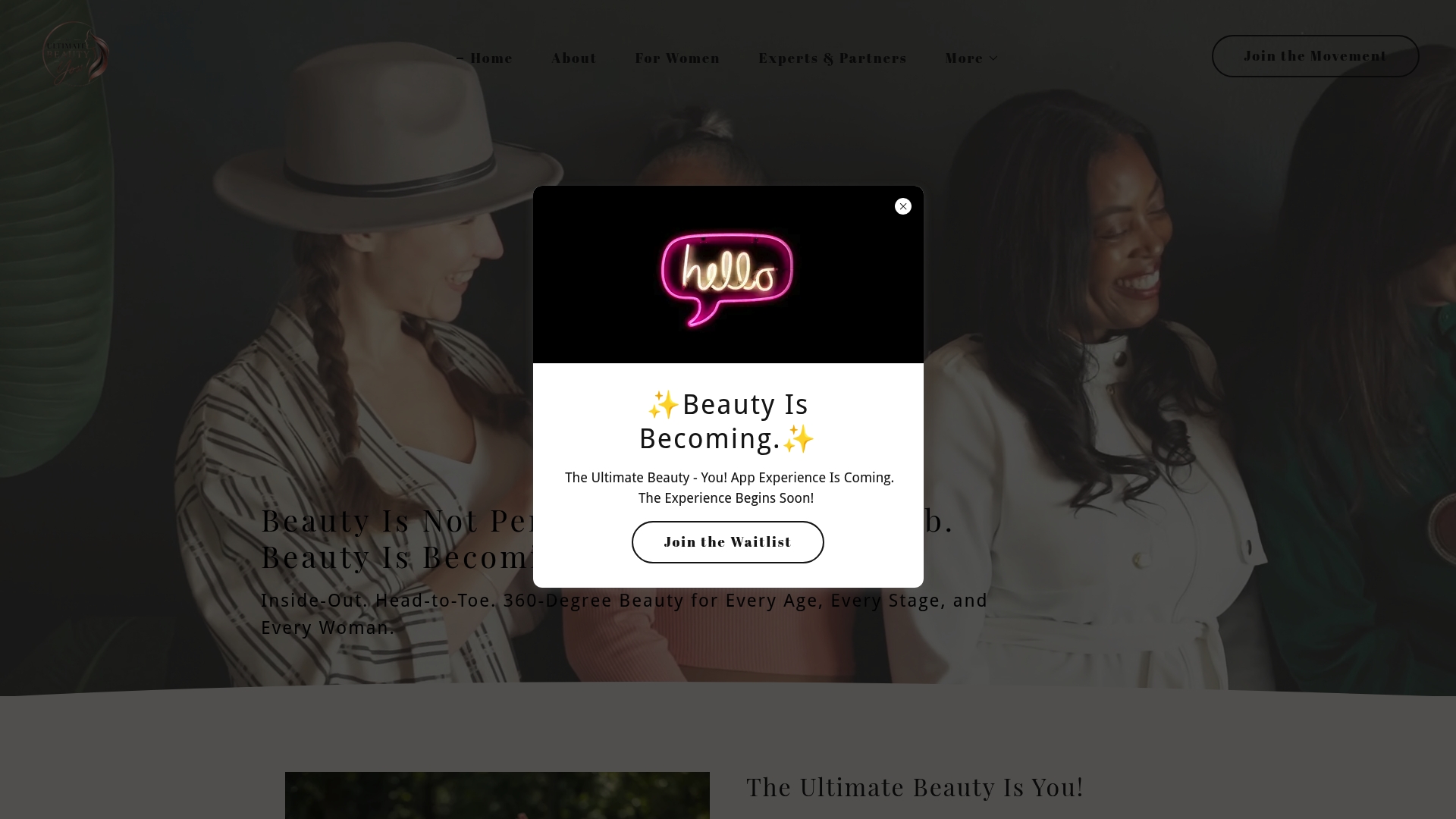
Rather than cold-outreaching strangers on social platforms, brands connect through Experts & Partners to reach women already engaged with beauty, wellness, and personal growth content, a warmer starting point than a generic influencer database. The platform's community structure means the audience alignment work, matching your product to people who already care about the category, is largely done before you send a single package. Brands can also explore product listings to see how visibility on the platform pairs with a seeding wave for launch timing. If you're planning your next seeding cycle, start by reviewing the Experts & Partners page and set up a conversation about where your product fits.
Sources
- FTC influencer guide (plain language)
- What Is Product Seeding? 2026 Strategy Playbook
- How to Run a Product Seeding Campaign End to End - Veracityinsights
- How to Scale: A Product Seeding Strategy For Creators