
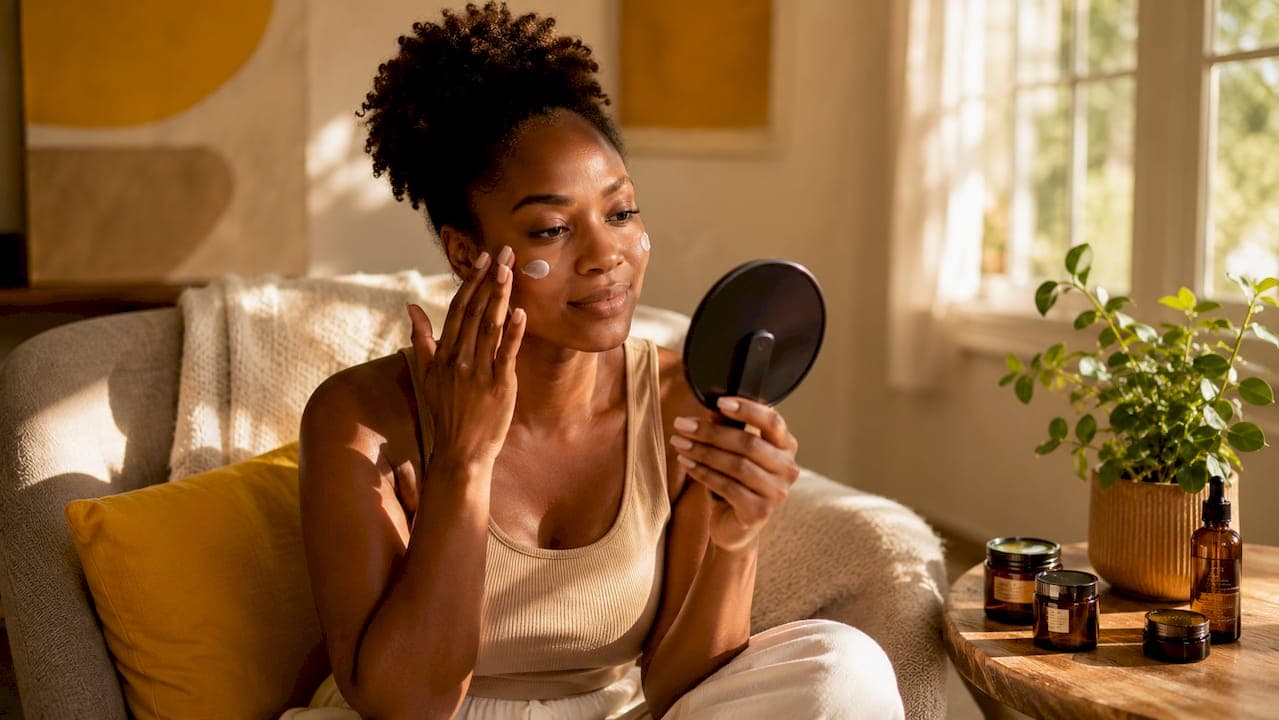
Beauty self-advocacy is defined as the active practice of speaking up for your personal beauty ideals, making informed choices that reflect your authentic self, and resisting external pressures that tell you who or what you should look like. Rooted in the broader principle that self-advocacy means knowing your rights, expressing your needs, and taking responsibility for your choices, beauty self-advocacy applies that same power directly to how you experience, practice, and define beauty. At Theultimatebeauty-you, we see this as one of the most meaningful forms of personal growth a woman can pursue. Beauty is not perfection. Beauty is a verb. Beauty is becoming.
What is beauty self-advocacy in everyday life?
Beauty self-advocacy shows up in the small, consistent choices you make every day. It is knowing your skin type and refusing to buy a product just because an influencer said so. It is telling your stylist exactly what you want and walking away if they dismiss you. Practicing self-advocacy helps women navigate conflicting beauty information, building clearer choices and stronger self-confidence over time.
Self-advocacy in beauty looks different for every woman, but the core behaviors are recognizable:
- Know your needs. Understand your skin, hair, and body on their own terms, not through the lens of a trend or a marketing campaign.
- Set clear boundaries. Decide which beauty rituals serve you and which ones drain you. Say no to practices that cause pain, financial stress, or emotional harm.
- Communicate directly. Whether you are speaking to a dermatologist, an esthetician, or a brand's customer service team, state your concerns clearly and expect to be heard.
- Make informed product choices. Read ingredient labels. Research brand ethics. Choose products that align with your values, not just your budget.
- Resist harmful trends. Not every viral beauty challenge belongs in your routine. Evaluate trends critically before adopting them.
Pro Tip: Before your next salon or skincare appointment, write down three specific outcomes you want. Arriving with clear language shifts the dynamic from passive recipient to active participant.
Beauty self-advocacy also means building the confidence to seek a second opinion. If a professional dismisses your concern or pushes a product you did not ask for, you have every right to ask questions or walk out. Your beauty choices belong to you.
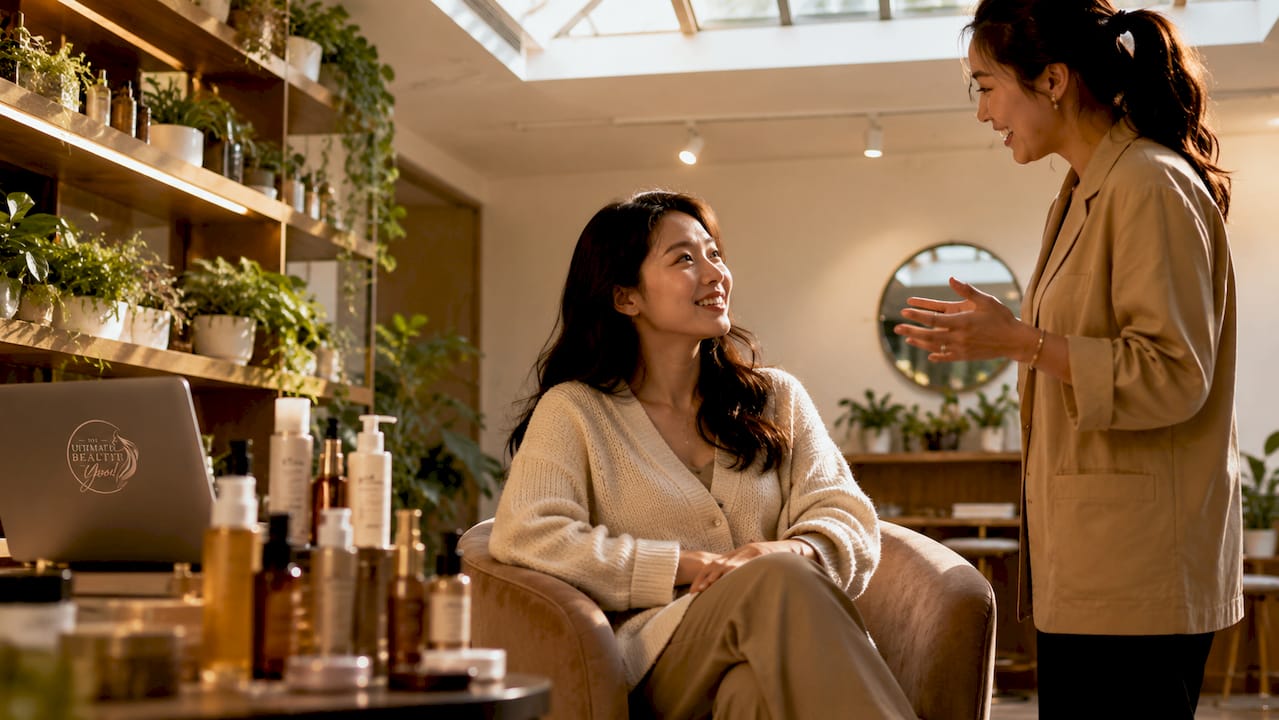
What role does ethical consumerism play in beauty self-advocacy?
Every purchase you make sends a signal to the beauty industry. Consumer spending acts as a quiet megaphone, shifting industry priorities toward ethics, sustainability, and transparency. This is what makes ethical consumerism one of the most direct forms of beauty self-advocacy available to you right now.
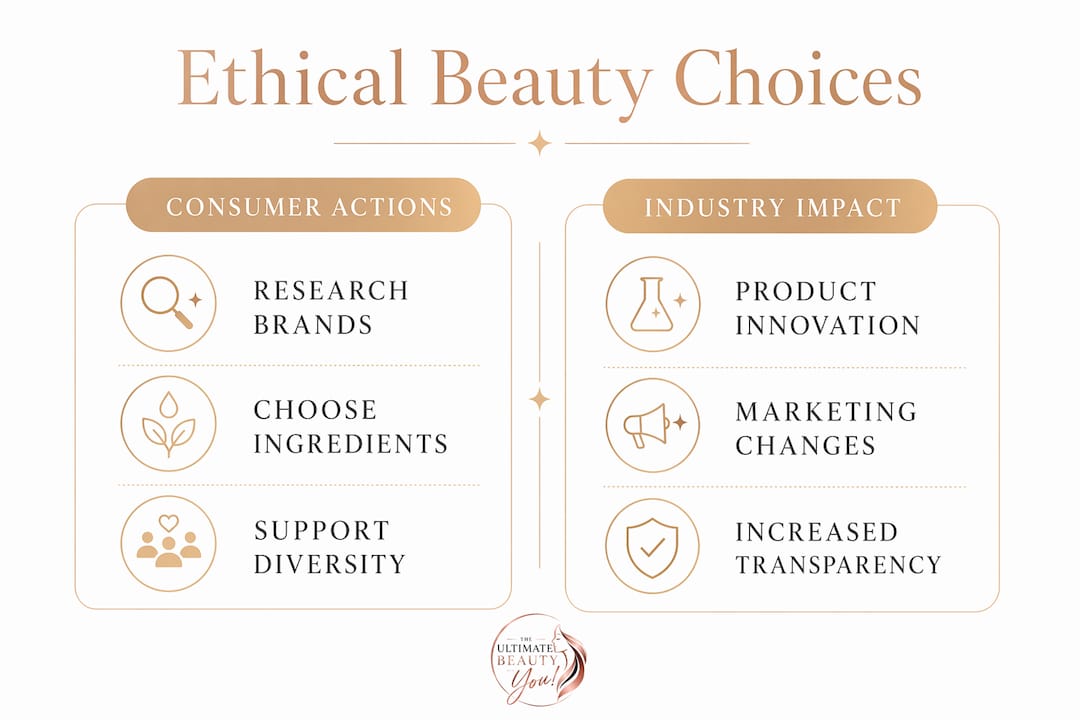
Choosing cruelty-free, sustainably sourced, and ingredient-transparent brands is not just a personal preference. It is a vote for the kind of industry you want to exist. Small, consistent choices aggregate into systemic change. That is not idealism. That is how markets work.
Here is how to put ethical consumerism into practice as a form of self-advocacy:
- Research before you buy. Look up a brand's cruelty-free certification, ingredient sourcing, and diversity commitments before adding anything to your cart.
- Support transparent brands. Brands that publish full ingredient lists, supply chain details, and sustainability reports are showing you they respect your right to know.
- Use your reviews. Post honest product reviews on retail platforms and social media. Brand accountability is increasingly driven by community engagement online, and your voice carries real weight.
- Redirect your spending. When a brand behaves unethically, move your dollars. Consistent redirection is more powerful than a single boycott post.
"Every purchase is a vote for the world you want to live in." This principle sits at the heart of beauty self-advocacy as a consumer practice.
Understanding inclusive beauty marketing helps you recognize which brands genuinely value diversity and which ones use it as a marketing tactic. That distinction matters when you are deciding where to spend.
How do digital culture and social media shape beauty self-advocacy?
Digital platforms have become the most powerful spaces for reshaping beauty narratives. Black women's digital feminism involves creating alternative media to resist colorist marketing, using social media campaigns and influencer interactions to challenge harmful beauty standards at scale. This is beauty self-advocacy as collective resistance, and it has changed what the industry can get away with.
The table below shows how digital behaviors translate into self-advocacy actions:
| Digital behavior | Self-advocacy impact |
|---|---|
| Sharing unfiltered skin photos | Normalizes real skin texture and challenges retouching norms |
| Calling out exclusionary shade ranges | Pressures brands to expand product lines for all skin tones |
| Building niche beauty communities | Creates shared knowledge and peer support outside mainstream media |
| Posting honest product reviews | Holds brands accountable and informs other women's choices |
| Amplifying marginalized voices | Shifts the center of beauty conversations toward equity |
Social media is not without its challenges. Algorithms favor content that drives engagement, which sometimes means harmful beauty ideals get amplified alongside empowering ones. The key is intentional curation. Follow accounts that reflect your values, mute or unfollow those that trigger comparison or shame, and use your own platform to share what feels true to you.
Multicultural beauty advocacy in digital spaces is also pushing the industry to address colorism and exclusion in product development and advertising. When you engage with that conversation, you are part of something larger than your own routine.
What mindset shifts make beauty self-advocacy more effective?
The most powerful shift you can make is moving from correction to nourishment. Reframing skincare from hiding flaws to supporting skin health changes your emotional relationship with your routine entirely. You stop fighting your face and start caring for it. That shift is the foundation of confident self-advocacy.
Self-trust is the second shift. You are the world's leading expert on your own body. No algorithm, no brand, and no beauty editor knows your skin, hair, or wellness needs better than you do. Building that trust takes practice, but it starts with paying attention.
Key mindset shifts that strengthen your self-advocacy:
- From shame to curiosity. When something is not working, get curious instead of critical. Ask why, then adjust.
- From trend-chasing to values-led choices. Decide what matters to you in a beauty routine, then evaluate products and practices against that standard.
- From passive consumer to active participant. You are not just buying products. You are shaping the industry with every choice you make.
- From external validation to internal confidence. Your beauty standard is yours. You do not need anyone else's approval to feel good in your skin.
Pro Tip: Keep a simple digital log of the products you use and how your skin or hair responds. Logging reactions moves conversations with professionals from subjective feelings to objective data, which leads to better outcomes and fewer wasted dollars.
Reclaiming your beauty ideals is a form of personal power and resistance to oppressive industry standards. That is not a small thing. It is the whole point.
How can you start practicing beauty self-advocacy today?
Starting is simpler than it sounds. You do not need a complete overhaul of your routine or a deep knowledge of cosmetic chemistry. You need clarity about what you value and the willingness to act on it.
- Identify your beauty values. Write down three to five things that matter most to you in your beauty practice. Sustainability? Skin health? Celebrating your natural texture? These become your filter for every future decision.
- Learn your ingredients. You do not need to memorize every compound. Start with the top five ingredients in your most-used products and look up what they actually do.
- Start a product log. Note what you use, when you started, and how your skin or hair responds. This record becomes your most useful tool in professional consultations.
- Find your community. Connect with women who share your values and your questions. Peer knowledge is one of the most underused resources in beauty self-care. Theultimatebeauty-you exists exactly for this reason.
- Ask for what you need. In every beauty interaction, from a salon visit to a brand's customer service chat, state your needs clearly. You deserve to be heard.
Explore healthy beauty habits that integrate self-advocacy into your daily routine without adding stress or complexity. Small, consistent actions build the confidence to advocate louder over time.
Key Takeaways
Beauty self-advocacy is the practice of knowing your needs, making informed choices, and speaking up for your authentic beauty ideals in every space where beauty decisions are made.
| Point | Details |
|---|---|
| Define your values first | Knowing what matters to you creates a clear filter for every beauty decision. |
| Ethical spending is advocacy | Every purchase signals your values to the industry and drives systemic change. |
| Digital spaces amplify your voice | Social media lets you challenge harmful norms and build supportive communities. |
| Shift from correction to nourishment | Reframing your routine as self-care, not flaw-fixing, builds confidence and consistency. |
| Log your reactions | A product and wellness log turns subjective feelings into objective data for better outcomes. |
Beauty self-advocacy changed how I see myself
I spent years treating my skincare routine like a repair project. Every product I bought was a fix for something wrong. Dry patches, uneven tone, breakouts. I was not caring for my skin. I was apologizing for it.
The shift happened when I stopped asking "What is wrong with my skin?" and started asking "What does my skin need?" That one question changed everything. I started reading ingredient labels with curiosity instead of desperation. I started telling my esthetician what I actually wanted instead of nodding along to her recommendations. I started spending money on brands that respected my values instead of brands that made me feel inadequate enough to buy more.
What I have learned is that beauty self-advocacy is not about becoming an expert. It is about becoming the authority on yourself. Nobody else can do that for you. The industry will always have something to sell you. Your job is to decide whether it serves you. Reclaiming that decision is not a small act. It is one of the most grounding, confidence-building things you can do. And once you start, you will not want to stop.
— Ava
Your beauty, your rules: resources from Theultimatebeauty-you
Theultimatebeauty-you is built for women who are ready to take their beauty practice into their own hands.
We curate ethical, inclusive products selected with your real needs in mind, not trends or marketing pressure. Our expert-backed product collection brings together brands that lead with transparency, sustainability, and respect for every skin tone, hair texture, and life stage. Alongside our product offerings, Theultimatebeauty-you connects you with trusted experts and a community of women who are doing exactly what you are doing: growing, evolving, and becoming. Beauty is not perfection. It is a practice. We are here for all of it.
FAQ
What does beauty self-advocacy mean?
Beauty self-advocacy means actively knowing your beauty needs, expressing your preferences, and making informed choices that reflect your authentic self. It is the practice of speaking up in every beauty space, from the salon chair to the online checkout.
Why is self-advocacy important in beauty?
Self-advocacy protects you from harmful trends, manipulative marketing, and professional dismissal. It builds confidence, consistency in self-care, and stronger connections with products and communities that actually serve you.
How does ethical purchasing connect to beauty self-advocacy?
Ethical purchasing is a direct form of advocacy because every dollar you spend signals your values to the beauty industry. Choosing cruelty-free and transparent brands creates pressure for systemic change across the industry.
How do I start practicing beauty self-advocacy?
Start by identifying your personal beauty values, learning the top ingredients in your most-used products, and keeping a simple log of how your skin or hair responds. These three steps give you the knowledge and language to advocate clearly.
What role does social media play in beauty self-advocacy?
Social media lets women challenge exclusionary beauty standards, share honest product experiences, and build communities of shared knowledge. Digital resistance, particularly by Black women confronting colorism, has reshaped what the beauty industry can market without accountability.