
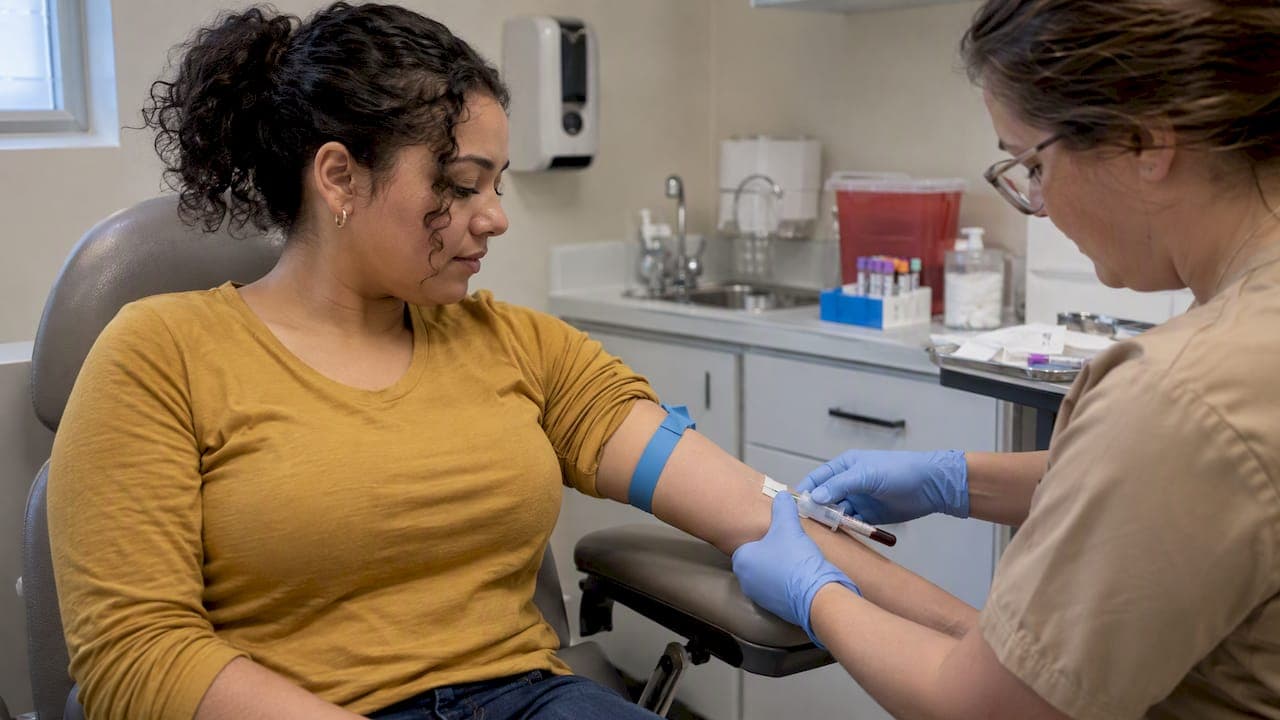
Iron deficiency is common in women, it is easy to miss, and it is treatable. Persistent fatigue, brain fog, shedding hair and a racing heart are not just the price of a busy life. They can be signals worth testing. Ask your clinician for a blood test that includes ferritin, find out why your iron is low, and then rebuild it with a plan that fits your body.
Beauty Is Not Perfection. Beauty Is a Verb. Beauty Is Becoming. And becoming starts with energy. Here is what we want every woman to know.
TL;DR
- Among US women of reproductive age, 27.4% of nonpregnant women had iron deficiency and 8% had iron-deficiency anemia in a 2015 to 2023 analysis.
- Symptoms can appear before anemia does. Fatigue, poor concentration, hair shedding, restless legs and ice cravings all count.
- Low iron is often a symptom, not the whole story. Heavy periods are a leading cause, and your clinician should look for the source.
- Food helps, but it is rarely enough to correct an existing deficiency. Supplements, taken the right way, usually do the heavy lifting.
- Do not self-diagnose or take high doses without a blood test. Too much iron carries its own risks.
Table of Contents
- What iron deficiency actually is
- Why women are affected more
- Signs of low iron you might be explaining away
- Hair, iron and the other possible causes
- Getting tested the right way
- Iron-rich foods: the foundation, not the whole plan
- How to treat low iron
- Our perspective: iron is where the 360-degree view begins
- Keep going with us
- FAQ
- Sources
What iron deficiency actually is
Iron builds hemoglobin, the protein in red blood cells that carries oxygen. It also supports muscles, brain function and energy production. Iron deficiency happens when your body loses or uses more iron than it takes in. Clinicians describe it as an imbalance between iron loss and iron absorption.
Two terms matter:
- Iron deficiency: your iron stores are low. Hemoglobin may still look normal.
- Iron-deficiency anemia: stores are so low that hemoglobin drops. It is the most common type of anemia, according to the National Heart, Lung, and Blood Institute.
The first stage can make you feel unwell for months or years before anyone says "anemia." That is why so many women are told their bloodwork is "fine" while they still feel exhausted.
Why women are affected more
Biology, not weakness, explains it. A recent review in a Canadian medical journal notes that females are disproportionately affected by iron deficiency because of biological, socioeconomic and health system factors.
The usual drivers:
- Menstruation. Every cycle removes iron. The same review puts normal loss at 10 to 20 mg per cycle, and blood loss above 80 mL per cycle counts as heavy.
- Heavy menstrual bleeding. The CDC describes it as bleeding lasting more than 7 days or soaking through protection hourly. It affects roughly 10% of reproductive-age women, and up to 20% of those with heavy bleeding may have an underlying bleeding disorder.
- Pregnancy and postpartum. Demand rises sharply, and blood loss at birth adds to it. In the 2015 to 2023 analysis above, 75.5% of pregnant women had iron deficiency.
- Gut conditions. Celiac disease and other sources of chronic loss or poor absorption can drain iron. Clinical experts stress that finding the underlying cause is part of diagnosis, not an optional extra.
- Intense training. Athletes lose iron through periods and other routes, so female athletes deserve regular checks.
- Low intake. Plant-based eating can work beautifully, but it needs planning for iron.
If you are a teenager, the same rules apply. The American College of Obstetricians and Gynecologists advises that evaluating adolescents with heavy periods should include a serum ferritin test and screening for bleeding disorders.
Signs of low iron you might be explaining away
Most women know about fatigue. Fewer know the rest. Experts urge women not to accept symptoms like persistent fatigue, poor concentration or hair loss as normal, because they can mark iron deficiency even without anemia.
Common signs:
- Deep tiredness that sleep does not fix
- Weakness and low stamina
- Pale or sallow skin
- Brain fog and trouble concentrating
- Dizziness, or a fast heartbeat with little effort
- Shortness of breath on stairs
- Hair shedding or thinning
Less obvious signs:
- Pica: craving ice or other non-food items
- Restless legs syndrome: an urge to move your legs at night
- Metallic taste in the mouth
The research notes that these are frequently overlooked by patients and providers alike.
When to act fast: chest pain, severe shortness of breath, fainting, or bleeding that soaks through a pad or tampon every hour for several hours needs urgent medical care. ACOG notes that severe anemia can cause shortness of breath and strain the body. Call your clinician or go to an emergency department rather than waiting for a routine visit.
Hair, iron and the other possible causes
Hair is often the first thing women notice. Iron can be one reason hair sheds, but it is rarely the only one. Thyroid problems, hormonal shifts, scalp conditions and damage from styling can all play a part. Our guides can help you sort through them: recovery from thyroid hair loss, postpartum hair loss and a scalp health routine.
If your strands feel brittle or snap rather than shed from the root, damage may be at work as well. This explainer on how to diagnose and treat hair that breaks shows how to tell the difference. Fixing iron will not repair a strand that is already damaged, and repairing a strand will not fix low iron. You may need both.
Getting tested the right way
Do not guess. Ask for an iron study. A clinical review in a UK-based journal says an iron study is the first-line investigation and includes serum iron and ferritin, among other measures. Ferritin reflects your stored iron.
What the numbers mean
| Marker | What it tells you | Useful to know |
|---|---|---|
| Ferritin | Iron stores | Below 30 µg/L is the standard diagnostic cutoff in non-pregnant adults. Some experts now argue for 50 µg/L. |
| Hemoglobin | Oxygen-carrying capacity | Low values point to anemia, but iron deficiency can exist with a normal result. |
| Serum iron and related markers | Circulating iron and transport | Part of a full iron study, read together with ferritin. |
One trap: ferritin rises with inflammation or infection. A normal or even high result does not always rule out deficiency if you have an inflammatory condition. Tell your clinician about any such condition, and about how your periods really are. Share how many days they last, how often you change protection and whether you pass clots.
Questions to bring to your appointment
- Can you check my ferritin as well as my hemoglobin?
- What is your cutoff for low ferritin, and what is my number?
- Why might my iron be low? Should we look at my periods, my digestion or my diet?
- What dose and schedule do you suggest, and when will we retest?
Iron-rich foods: the foundation, not the whole plan
Food matters. The daily recommended amount for women ages 19 to 50 is 18 mg, compared with 8 mg for men. Pregnancy raises it to 27 mg, and it drops to 8 mg after menopause. The same source lists a tolerable upper intake of 45 mg a day from ages 14 up, which is a good reason not to improvise with supplements.
Build your plate around two kinds of iron:
- Heme iron comes from animal foods such as red meat, poultry and seafood. The body absorbs it more readily.
- Non-heme iron comes from plants and fortified foods: beans, lentils, tofu, spinach, pumpkin seeds and iron-fortified cereals. Absorption is lower, so pairing matters.
Simple habits that help:
- Put beans or lentils on the plate with a fresh, citrusy or vitamin C-rich side.
- Keep coffee and tea away from iron-rich meals, since they can reduce absorption.
- Choose fortified cereals if you eat little meat, and check the label.
Be realistic, though. Practitioners emphasize that diet is a necessary foundation but rarely sufficient to treat an existing deficiency in menstruating women, because the iron demand is high. Food keeps you from falling behind. A supplement helps you catch up.
A note on PCOS: if you have polycystic ovary syndrome and irregular or heavy bleeding, ask your clinician to check your iron alongside your hormones. A PCOS meal plan is a conversation for you, your clinician and a registered dietitian, since needs vary. Do not let a weight-loss plan quietly cut your iron intake.

How to treat low iron
Treatment depends on your numbers, your symptoms and your cause. Your clinician decides. The general picture from current guidance:
- First-line treatment for non-pregnant women is oral ferrous iron (sulfate, gluconate or fumarate) once daily.
- Every-other-day dosing is emerging as an alternative. It may improve tolerance by reducing the spike in hepcidin, a hormone that cuts iron absorption.
- Side effects are the main hurdle. Nausea and constipation are common, and up to 20% of women stop taking oral iron. An empty stomach improves absorption but may worsen symptoms, so finding your tolerable routine matters.
- Other routes exist when pills fail or absorption is the problem. Ask your clinician about them.
Practical help on timing and what to take it with is in this guide on how to take iron supplements so they absorb. It comes from a retailer outside the US, so treat it as general reading and confirm your dose with your own clinician.
Track your progress:
- Start the plan your clinician gives you. Do not double up if you miss a dose.
- Expect energy to improve gradually, not overnight.
- Retest when your clinician advises, to confirm your stores are rebuilding.
- Keep treating the cause. If heavy periods are driving the loss, iron alone will not hold.
If you are also taking other supplements, our overview of supplements for women's health by life stage can help you think through what belongs in your routine. If you are past menopause, bleeding or low iron is a different conversation, and bone health matters too: see our guide to bone health for women.
Our perspective: iron is where the 360-degree view begins
We built The Ultimate Beauty - You! on a simple belief: beauty is inside-out, head-to-toe and 360 degrees. Iron deficiency shows why.
A woman arrives with thinning hair, dull skin and no energy. She buys a serum, a shampoo, a new concealer. Nothing changes, because the problem was never only on the surface. Advice about hair lives in one place, advice about periods in another, nutrition in a third. Nobody connects them.
That fragmentation is what we want to fix. We bring trusted experts, resources and community into one place, so a symptom can be seen as part of a whole life. Here is what we would tell a friend:
- Your fatigue is information. Do not apologize for it. Test it.
- Your periods are part of your health story. Heavy bleeding is worth raising, at every age.
- Get the cause, not just the fix. Iron is the beginning of the answer, not the end.
- Ask again if you are dismissed. You can request a ferritin test and a second opinion.
- Be patient with the process. Rebuilding takes time. Beauty is becoming.
We are not clinicians, and nothing here replaces your own care team. What we can offer is encouragement, clarity and a place to start the conversation.
— Ava
Keep going with us
If this guide helped, you do not have to figure out the rest alone. For Women is where we gather expert advice, resources and community for women at every age and stage. Our blog goes deeper on hair, scalp, supplements and healthy aging. You can also join us to hear first about what we are building, including our upcoming app.
FAQ
What depletes iron in women?
The biggest causes are blood loss from periods, especially heavy ones, pregnancy and childbirth, and chronic loss or poor absorption from gut conditions such as celiac disease. Low dietary intake adds to the problem. A clinician should look for the specific cause in your case.
How do you fix low iron in women?
Most women need a mix of approaches: iron-rich foods, an oral iron supplement at a dose set by a clinician, and treatment of the underlying cause. Current guidance names daily oral ferrous iron as first-line, with every-other-day dosing as an option for better tolerance. Retest to confirm your stores recover.
Can I be iron deficient without being anemic?
Yes. Your stores can be low while hemoglobin looks normal. Symptoms such as fatigue, poor concentration and hair loss can occur without anemia, which is why a ferritin test is worth requesting.
What are unusual signs of iron deficiency?
Craving ice or other non-food items, restless legs, a metallic taste and hair shedding are the ones most often missed. Add shortness of breath, dizziness or a fast heartbeat to the list. Mention all of them to your clinician.
Should I take iron supplements without testing?
No. Symptoms overlap with thyroid problems, sleep issues and other conditions, and iron at the wrong dose can cause side effects or harm. Get your ferritin checked first, then follow your clinician's plan.
Sources
- Iron Deficiency and Iron-Deficiency Anemia Among Reproductive-Age Women in the United States, 2015 to 2023 (PMC)
- Diagnosis and management of iron deficiency in females (PMC, 2025)
- Treatment of Iron Deficiency in Women (PMC)
- Correcting iron deficiency (PMC)
- Recommendations to Prevent and Control Iron Deficiency in the United States (CDC)
- Heavy Menstrual Bleeding (ACOG)
- Screening and Management of Bleeding Disorders in Adolescents With Heavy Menstrual Bleeding (ACOG)
- Iron-Deficiency Anemia (NHLBI, NIH)
- Iron (Harvard T.H. Chan School of Public Health, The Nutrition Source)
- Restore Hair Elasticity: Diagnose, Treat, Stop Breakage
- How to Take Iron Supplements So They Absorb