
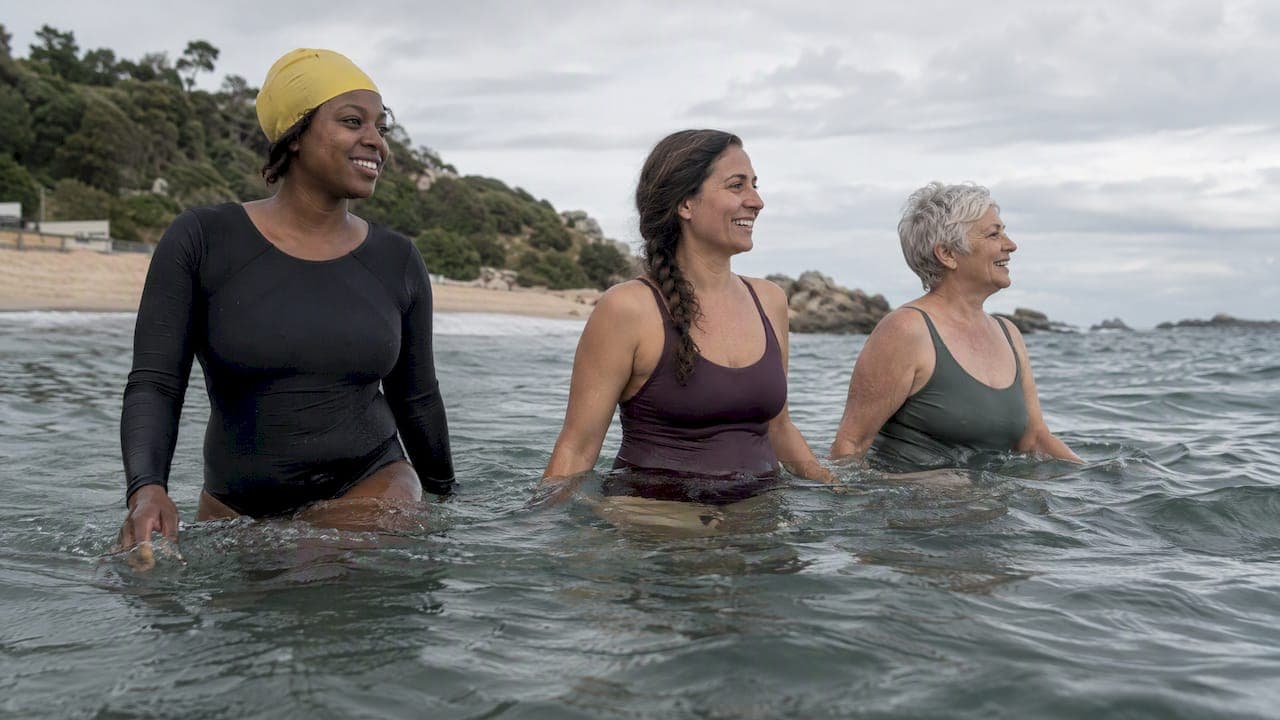
A women's wellness community is a group of women who support one another's physical, mental and emotional well-being, online, in person or both. The best ones offer more than advice. They offer belonging, honest conversation, trusted experts and a steady rhythm you can return to. This guide explains what these communities do, what the research says about why they help, and how to pick one that fits your life stage.
Beauty Is Not Perfection. Beauty Is a Verb. Beauty Is Becoming. And becoming is easier with company.
TL;DR
- A women's wellness community is a peer group built around health, confidence and self-care, from walking clubs to online circles to expert-led programs.
- Research links strong female social ties with lower stress effects and better physical and psychological well-being.
- Loneliness is common: CDC data reports that 33.5% of US women experienced it in 2022.
- Look for clear rules, real moderation, inclusive values and a format you will actually use. A community is support, not a substitute for medical care or therapy.
- We built The Ultimate Beauty - You! as an inside-out, head-to-toe community for women at every age and stage.
Table of Contents
- What a women's wellness community is
- Why community matters for women's health
- What you can find inside a women's wellness community
- How to choose the right community for you
- Our perspective: wellness is more than a routine
- Bring community into your daily habits
- Join The Ultimate Beauty - You!
- FAQ
- Sources
What a women's wellness community is
Think of it as a place where well-being is shared, not handled alone. Members swap experiences, encourage each other and learn from trusted voices. The focus can be fitness, mental health, beauty, motherhood, midlife, career confidence or all of it together.
The idea sits close to what health systems call peer support. NHS England describes it as a range of approaches in which people with similar experiences give each other mutual support to build skills, knowledge and confidence in managing their health. A wellness community applies that same principle to everyday life, not only to a diagnosis.
Communities come in several shapes:
- Activity groups: walking, running, swimming or fitness clubs.
- Circles and gatherings: regular meetings where women talk, listen and reflect.
- Accountability groups: small groups that share goals and troubleshoot obstacles.
- Online platforms: spaces that combine expert content, discussion and recommendations.
- Condition- or stage-specific groups: postpartum, caregiving, menopause and more.
A clinic or a "women's wellness center" is a different thing. Those are healthcare providers, and they are the right place for screenings, prescriptions and treatment. A community works alongside them. It is where you feel less alone between appointments.
Why community matters for women's health
This is not only a nice idea. There is real evidence behind it.
Social ties buffer stress
A 2022 review by Alisa Bedrov and Shelly Gable explains that supportive social ties can buffer the harmful physical and psychological effects of stress. Women are more likely to use a "tend-and-befriend" response, which means seeking support and sharing what they feel. The review associates strong female social bonds with physical and psychological benefits.
In plain words: when life gets heavy, talking to women who understand helps your body as well as your mood.
Loneliness is widespread
CDC data from 2022 shows that 33.5% of US women reported loneliness, compared with 30.7% of men. The same CDC report treats social connection as a social determinant of health: quality relationships give a sense of being cared for, valued and supported.
If you feel isolated, you are far from alone. That is exactly the gap a community fills.
Federal health guidance points the same way
The US Office on Women's Health lists staying socially connected and spending time with loved ones among everyday tips for supporting mental health. For caregivers, it stresses that building a support network of friends, family and other caregivers is vital for protecting both physical and mental health.
For new mothers, OWH guidance on postpartum depression says that joining a support group of others going through the same thing can bring comfort and understanding, and that connecting with other mothers lets women learn from each other's experiences.
Belonging does real work
A 2025 meta-thematic analysis of group antenatal and postnatal care found that belonging can support health literacy within a community and may contribute to improved health and well-being. A 2024 study from Australia described a self-organized women's open-water swimming group in which members called each other "my tribe", and researcher Doris Testa noted that such sisterhoods can improve both social connectedness and physical health.

None of this promises a cure. It shows that connection is a meaningful part of well-being, not an extra.
What you can find inside a women's wellness community
What a community offers depends on its purpose. These are the most common building blocks.
| Format | What it looks like | Best for |
|---|---|---|
| Movement groups | Walking, running, fitness classes, swim groups | Women who want energy and routine |
| Women's circles | Regular gatherings with agreed sharing rules | Women who want reflection and honest conversation |
| Accountability groups | Small groups of 3 to 8 women sharing goals | Women who struggle to stay consistent |
| Retreats and workshops | Longer, immersive experiences | Women who want a reset |
| Online platforms | Expert content, discussion, recommendations | Women with busy schedules or no local options |
| Stage-specific support | Postpartum, caregiving, midlife groups | Women in a specific life chapter |
A 2026 WMN Magazine piece lists group fitness, walking and running groups, retreats, sound-healing circles and accountability groups among the forms community wellness takes. It describes peer accountability groups of three to eight women as a structured way to share goals and troubleshoot obstacles together.
If you want to go deeper on one format, we break down what research shows about women's circles.
How to choose the right community for you
There is no single best women's wellness community. There is the one that fits you now. Use these questions.
1. What do you need right now?
Name it honestly. Is it friendship, accountability, expert guidance, a space to vent, a place to move your body, or help feeling like yourself again? A community built for new mothers will feel different from one built for women in their 50s or for teens finding their confidence.
2. Does it match your life stage?
A 22-year-old building a career, a mother of toddlers and a woman navigating menopause carry different loads. Look for communities that name your stage, or ones broad enough to hold many stages without flattening them. Our guides on beauty routines by age group and embracing natural beauty at every age show how much needs shift over time.
3. Are the ground rules clear?
Safety starts with structure. A trauma psychotherapist quoted in Happiful advises that facilitators clarify sharing rules and boundaries to create a safe, supportive container, and reminds readers that a women's circle is not therapy.
Before you join, ask:
- Who moderates, and how are problems handled?
- What is confidential, and what is not?
- Are there written community guidelines?
- Is advice from members clearly separated from advice from qualified professionals?
4. Is it inclusive in practice?
Inclusive communities rely on shared values such as empathy and openness. A company blog on feminine wellness points out that those values build resilience that reaches beyond the group itself. Look at who is pictured, who speaks, and whether different ages, backgrounds, bodies and beliefs are welcome, not only listed.
5. Does it listen, or does it lecture?
A 2025 study of women's mental health circles in Mexico found that gathering and conversation improved mood, while prescriptive lessons could impose globalized views over personal experience. A good community leaves room for your story. If every post tells you what you should be doing, keep looking.
6. Who are the experts, and what are they selling?
Experts add value, and so do brands. But you should always know who is behind a recommendation. Healthy communities are open about partnerships and sponsorships. Be cautious of any space that promises miracle results or pushes products aggressively.
7. Will you actually show up?
The best community is the one you can sustain. Consider time zone, cost, privacy, in-person versus online, and how much energy a group asks of you. Start small. One weekly walk or one monthly circle beats a big commitment you drop in week two.
Warning signs
- No visible moderation or rules
- Pressure to share personal details
- Medical advice offered as fact by non-professionals
- Shaming language about bodies, age or choices
- Constant selling disguised as support
If you are dealing with depression, trauma or a medical condition, a community is a supplement. Talk with your doctor or a licensed mental health professional for diagnosis and treatment. If you think you may have postpartum depression, call your health care provider.
Our perspective: wellness is more than a routine
We have watched women piece together advice from a dozen places. A skincare tip here, a fitness plan there, a confidence post somewhere else. It is exhausting, and it leaves out the part that matters most: the people around you.
That is why we take an inside-out, head-to-toe, 360-degree approach. Your skin, your sleep, your mindset, your friendships and your sense of purpose are not separate projects. They are one life. We believe beauty is not perfection. It is a verb. It is becoming.
A good community does three things:
- It unifies. Trusted experts, brands and resources in one place, not scattered.
- It includes. Girls, young women, mothers, midlife women and beyond, each seen at her own stage.
- It grows with you. What you need at 25 is not what you need at 55, and the community should move with you.
Start wherever you are. If your energy is low, begin gently with a three-layer self-care routine. If you want to understand how looking good and feeling well now overlap, read about the beauty and wellness convergence. And if you are curious about the philosophy behind intentional self-care, start with mindful beauty.
— Ava
Bring community into your daily habits
Community works best when it connects to small, repeatable actions. A few ideas:
- Pair up a habit. Walk with a friend, or share a weekly check-in message about one self-care goal.
- Build a micro-group. Invite two to seven women to hold each other accountable on something simple.
- Share the practical stuff. Swap healthy beauty habits that work for you, and listen to what works for others.
- Keep a holistic frame. A holistic beauty routine treats body, mind and connection as one system.
You do not need to be fearless or finished. You need to be willing to show up.
Join The Ultimate Beauty - You!
We created The Ultimate Beauty - You! as a women-centered beauty, confidence, wellness and community platform for women and girls of every age and stage. Through trusted experts, brands and resources, and meaningful connections, we bring inside-out beauty and personal growth together in one place. An app is on the way.
See what is waiting for you on our For Women page, or head to the home page to explore.
Are you an expert, brand or organization that serves women? Our Experts & Partners page explains how to connect with this audience, and you can reach us through the contact and join page.
Curious how to build or run a community of your own? Our women community platform guide walks through it.
FAQ
Are women's wellness communities free?
Many are. Walking groups, local circles and online discussion spaces often cost nothing, while retreats, workshops and premium programs usually charge. Check what is included before you commit, and ask how the community is funded so you know who is behind it.
Is a women's wellness community the same as therapy?
No. Peer support can bring comfort, understanding and shared experience, but it does not replace care from a licensed professional. If you are struggling with depression, trauma or another health concern, talk with your doctor or a mental health professional, and use the community as an added layer of support.
Can an online community work as well as an in-person one?
It can, if it gives you real connection and not just content to scroll. Look for active moderation, clear guidelines and ways to interact with other members. Many women combine both: an online space for daily encouragement and a local group for face-to-face time.
What if I do not know what I need yet?
That is a good place to begin. Try one low-pressure format for a few weeks, such as a weekly walking group or a small online circle, and notice how you feel afterward. Your needs will become clearer, and you can change course at any time.
Sources
- Perceptions of Peer Support for Victim-Survivors (PMC, 2022)
- Thriving together: the benefits of women's social ties (PMC, 2022)
- CDC MMWR: Loneliness, Lack of Social and Emotional Support
- Office on Women's Health: Women's Mental Health Matters
- Office on Women's Health: Postpartum Depression Fact Sheet
- Belonging: a meta-theme analysis of women's group care (PMC, 2025)
- They are my tribe: a self-organising women's group (ANZSW Journal, 2024)
- WMN Magazine: Community Wellness
- Happiful: Women's circles
- Flower Power: Building a community around feminine wellness
- To gather is to heal: Women's mental health circles in Mexico (PMC, 2025)