
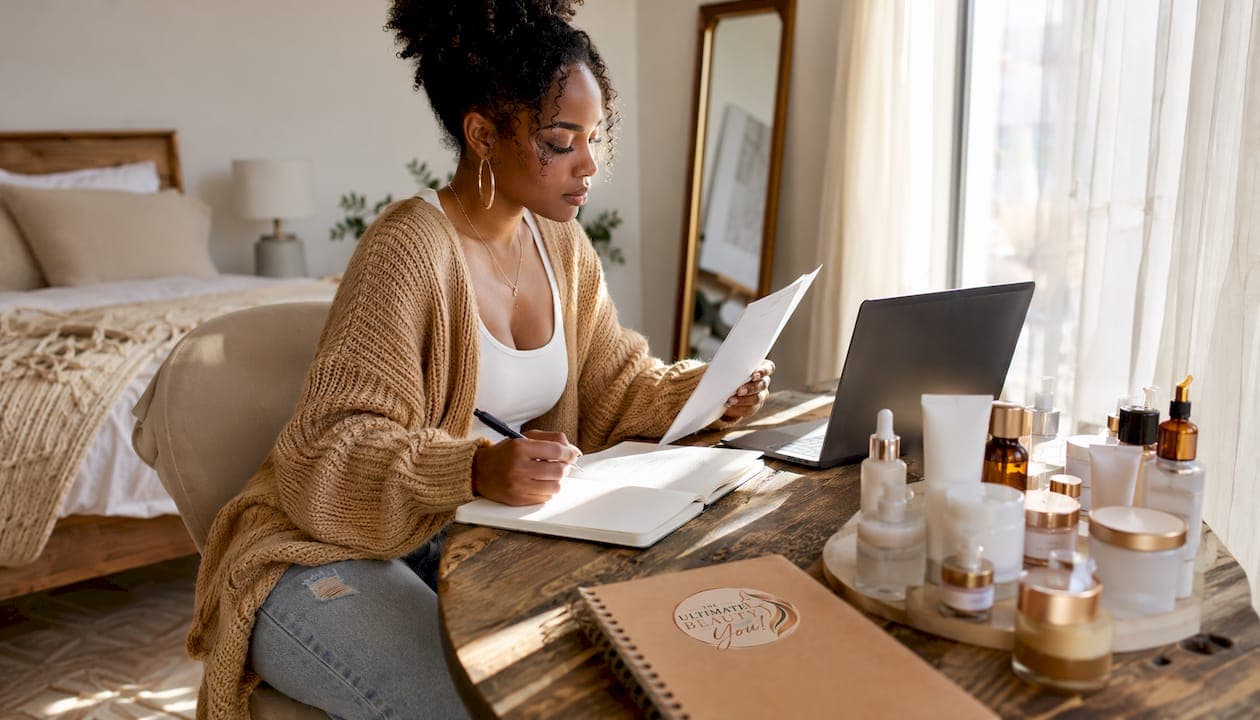
Beauty industry disruption means the old rules of how beauty products are made, sold, and experienced are being rewritten — by you, by technology, and by a new wave of brands that put real values ahead of legacy prestige. The US beauty and personal care market reached $123.6 billion in the latest 52-week period, with online sales now accounting for nearly half of the market. McKinsey forecasts the global industry will grow at 5 percent annually through 2030, reaching $590 billion — but beneath that growth, the competitive ground is shifting fast.
What this means for you: the brands earning your loyalty today are the ones built on transparency, personalization, and genuine community. The rest of this article gives you the context to tell them apart and a checklist to act on it.
Table of Contents
- What beauty industry disruption looks like right now
- The forces driving this change
- How disruption changes your relationship with brands
- How brands that last are changing their models
- Inside-out beauty: what disruption means for your whole self
- Your checklist for evaluating a "disruptive" brand
- Key Takeaways
- Disruption is personal: a perspective worth sitting with
- Ready to put inside-out beauty into practice?
- Useful sources
What beauty industry disruption looks like right now
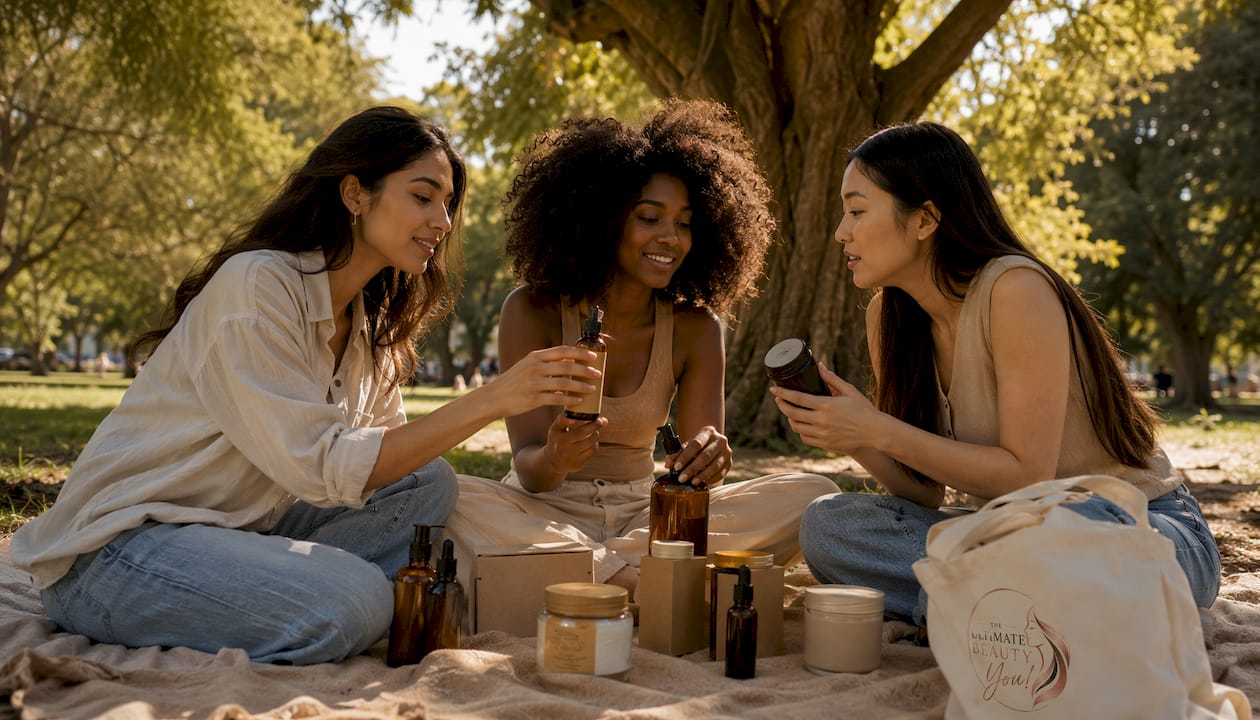
You can see the change everywhere. The classic department store counter is losing ground to TikTok Shop, Amazon, and DTC drops. AR try-on tools and AI skin diagnostics let you test a foundation or assess your skin barrier before a product ever arrives at your door. Micro-influencers with tight, trusted communities are driving more purchase decisions than celebrity campaigns. And sustainability has moved from a niche selling point to a baseline expectation: refillable packaging and traceable ingredient sourcing are now table stakes for many shoppers.
| Metric | Figure | Source |
|---|---|---|
| US beauty and personal care market size | $123.6 billion (latest 52 weeks), with online sales nearly 50% of the total | Vogue / NielsenIQ |
| Global beauty market forecast by 2030 | $590 billion | McKinsey |
| Expected annual global growth rate | 5% through 2030 | McKinsey |
The role of micro-influencers in beauty marketing has grown precisely because discovery is community-first. A product launched through an engaged niche audience can outperform a mass campaign with ten times the budget. That shift in power is one of the clearest signs of how the beauty market is evolving.
The forces driving this change
Several forces are converging at once, and understanding them helps you read a brand's moves more clearly.
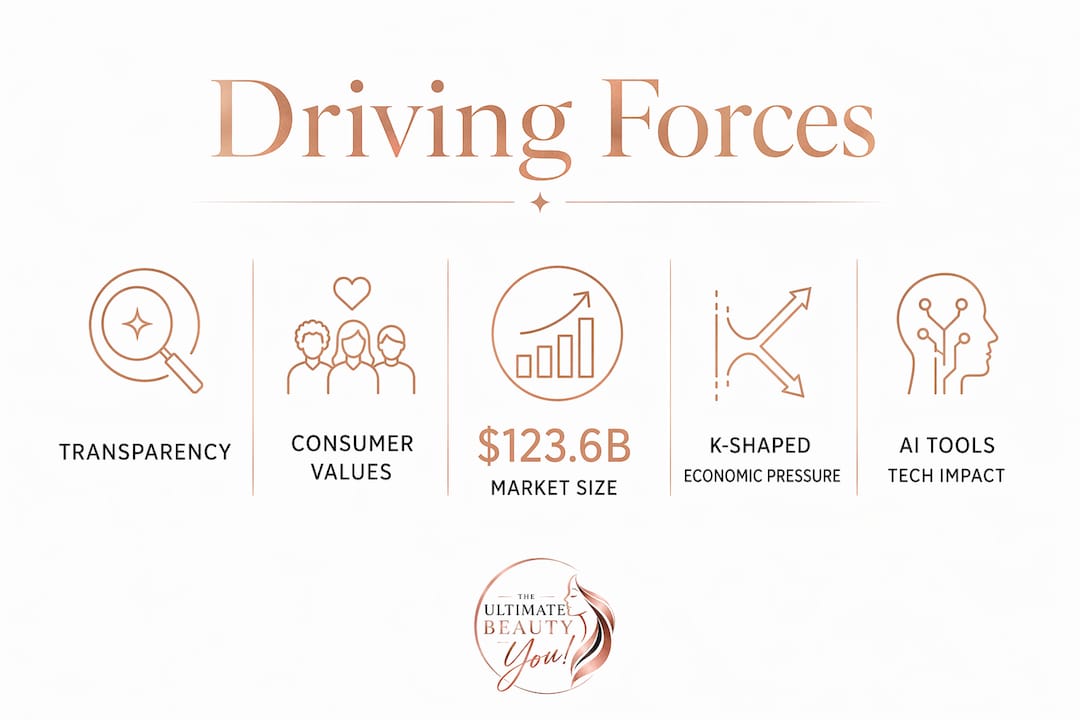
Consumer values are the loudest driver. Shoppers want transparency about ingredients, manufacturing, and pricing. They want brands that reflect their identities — across age, skin tone, gender expression, and wellness philosophy. Vague "clean" or "inclusive" positioning once opened doors; now it barely gets a brand in the room.
Economic pressure is real and uneven. Analysts describe a "K-shaped" economy in beauty: some consumers are still spending freely on prestige products, while others are pulling back sharply on small luxuries and seeking better value at every price point. The Lipstick Index — the idea that beauty is recession-proof — is being tested. Shoppers are delaying purchases and trading across price tiers more freely than ever.
Technology and data are rewriting the cost of reaching you. Customer acquisition costs on Meta and Google have surged, and privacy changes have eroded the targeting precision brands once relied on. How AI skincare recommendations work is now a genuine consumer question, not just a brand marketing claim. Brands that can personalize at scale — using real data, not broad demographics — hold a structural advantage.
Structural factors matter too. Beauty's high emotional engagement, strong margins, and low shipping costs made it a magnet for challenger brands over the past decade. McKinsey identifies beauty as a bellwether for digital disruption across all consumer goods — precisely because those characteristics made it easy to enter and fast to scale. The same conditions now make it crowded and expensive to survive.
How disruption changes your relationship with brands
The practical impact lands in your routine, your wallet, and your sense of trust.
Pricing is more complex than it used to be. Beauty industry mark-ups between manufacturer and consumer have historically reached 1,200–2,000%. Consumers are increasingly aware of this, and DTC models have made the gap harder to ignore. You now have more tools to compare formulations, read third-party reviews, and verify efficacy claims before spending.
Brand trust is earned differently. Community-driven brands that build continuous feedback loops with their customers — and integrate that feedback into product development — tend to earn stronger repurchase loyalty than brands that rely on a single viral moment. A brand that listens and iterates is a brand worth watching.
Pro Tip: One of the most reliable signals of a credible brand is whether it publishes third-party testing results or clinical trial data alongside its efficacy claims. "Dermatologist-tested" with no data attached is marketing. A published study or independent lab result is evidence.
When evaluating any brand that calls itself disruptive, ask:
- Can they show you proof of efficacy, not just a claim?
- Is their sustainability story traceable (specific materials, specific programs) or vague?
- Do they have a real community, or just a follower count?
How brands that last are changing their models
The brands most likely to endure are making concrete operational shifts, not just messaging pivots.
- Fewer, better SKUs. Shiseido announced plans to cut underperforming products from its portfolio and reinvest in R&D. That discipline — prioritizing depth over breadth — signals a brand focused on longevity.
- Omnichannel presence. The classic DTC playbook of website plus paid social ads is no longer enough. Brands now need a coordinated presence across Amazon, TikTok Shop, physical retail, and DTC to reach you where you actually shop.
- Data-driven personalization. Broad "clean" or "inclusive" positioning is no longer sufficient on its own. Sustainable advantage now requires relentless personalization and financial resilience.
- Measurable sustainability. Refillable packaging and biodegradable materials have moved from differentiators to baseline expectations. Look for brands with specific, verifiable programs — not just a green logo.
Brands that prioritized growth at all costs are now facing pressure to prove profitability and longevity instead. The market is consolidating: smaller niche brands are being squeezed by rising operational and marketing costs, and the brands most likely to remain on shelf will be sharper, better capitalized, and more resilient.
Inside-out beauty: what disruption means for your whole self
Inside-out beauty is the idea that confidence, wellness, and emotional connection are not separate from your beauty routine — they are the point of it. Disruption is actually accelerating this shift. When brands compete on transparency, personalization, and community rather than just packaging and prestige, the result is a beauty experience that can genuinely support how you feel, not just how you look.
Personalization tools — from AI-powered diagnostics to community-sourced recommendations — mean your routine can reflect your actual skin, your actual values, and your actual life stage. That is a meaningful change. Beauty is becoming a verb, not a standard. It is becoming.
Pro Tip: When choosing a brand, ask whether it speaks to your whole self — your wellness, your confidence, your community — or just to a surface result. Brands built on inside-out principles tend to earn longer-term loyalty because they align with how you actually live.
Theultimatebeauty-you exists precisely for this moment. As a women-centered platform built on an inside-out, head-to-toe, 360-degree approach, it connects you with trusted experts and resources that go beyond product to support your confidence and becoming.
Your checklist for evaluating a "disruptive" brand
Use this sequence the next time a brand claims to be changing the game.
- Check the efficacy proof. Look for clinical data, third-party testing, or published ingredient research — not just "dermatologist-approved" language.
- Verify the sustainability claim. Specific refill programs, named certifications, or traceable supply chains are credible. A green color palette is not.
- Assess the community. Is there a real, engaged audience giving feedback — or just a large follower count with low interaction?
- Look at the channel mix. A brand present only on one platform is fragile. Omnichannel presence signals operational maturity.
- Read the return and repurchase story. High repeat purchase rates and strong reviews over time matter more than a viral launch moment.
- Watch for red flags. Vague efficacy language, no ingredient transparency, and influencer-only discovery with no retail presence are warning signs.
- Ask who the brand serves. Does it reflect your age, skin tone, wellness values, and life stage — or does it serve a narrow, aspirational image that excludes more than it includes?
Key Takeaways
Beauty industry disruption is reshaping who wins your loyalty — and the brands built on transparency, personalization, and community are the ones most likely to earn it long-term.
| Point | Details |
|---|---|
| Market scale and momentum | The US beauty market reached $123.6 billion, with nearly half of all sales online; the global market is forecast to hit $590 billion by 2030. |
| K-shaped economic pressure | Value-conscious shoppers are pulling back on small luxuries while other segments keep spending, forcing brands to rethink pricing. |
| DTC playbook is broken | Rising acquisition costs mean brands must operate across Amazon, TikTok Shop, physical retail, and DTC simultaneously. |
| Inside-out approach wins | Brands that align with your wellness, confidence, and community values earn stronger loyalty than those competing on packaging alone. |
| Theultimatebeauty-you | The platform offers inside-out, 360-degree guidance connecting women with trusted experts, brands, and community resources. |
Disruption is personal: a perspective worth sitting with
The conversation around beauty industry disruption tends to focus on brands, investors, and market share. What gets talked about less is what it means for you — the woman standing in front of a shelf or scrolling through a feed, trying to decide what actually deserves a place in her life.
Here is what the evidence points to clearly: the brands that are surviving this moment are the ones that treat you as a whole person. Not a demographic. Not a conversion. A person with a skin type, a budget, a set of values, and a life that beauty should support — not complicate.
The inside-out principle is not a trend. It is a correction. For decades, the beauty industry sold an external standard and called it empowerment. Disruption, at its best, is the industry being forced to catch up to what women have always known: that confidence comes from within, and the products and communities worth investing in are the ones that reflect that truth back to you.
Ready to put inside-out beauty into practice?
Theultimatebeauty-you is built for exactly this moment — when you want more than a product recommendation and are ready for guidance that supports your whole self.
Whether you are reassessing your routine, looking for brands that align with your values, or simply want a community of women who get it, the platform brings together curated products, expert voices, and real resources grounded in an inside-out approach. Visit The Ultimate Beauty - You! to explore what becoming looks like for you — and connect with the experts and community waiting there.
Useful sources
- Vogue: Where Should Your Beauty Brand Be After 10 Years? — Market size data, DTC channel fragmentation, and the shift from growth-at-all-costs to profitability.
- McKinsey: State of Beauty — Annual industry forecast, channel dynamics, and the five industry-shaping themes for 2026.
- McKinsey: What Beauty Players Can Teach the Consumer Sector — Why beauty leads digital disruption across consumer goods.
- Business of Fashion: Beauty Recession Indicator and Resilience — The K-shaped economy effect and how economic pressure is reshaping purchase behavior.
- Business of Fashion: Beauty Growth Slowdown — Market consolidation, brand closures, and the new operational discipline required to survive.
- Groundforce Capital: A New Era in Prestige Beauty — Why clean and inclusive positioning alone is no longer sufficient and what brands must add.
- CIOThink: Beauty Industry Transformation — AR try-on, AI diagnostics, sustainability shifts, and the inside-out movement in beauty tech.
- Beauty Pie: Beauty Futures 2025 Whitepaper — Consumer mindset shifts, the "Beautility" era, and the rise of the "Question Everything" economy.